

A Guide for Employers: How to Prepare Your Team for Occupational Health Physicals
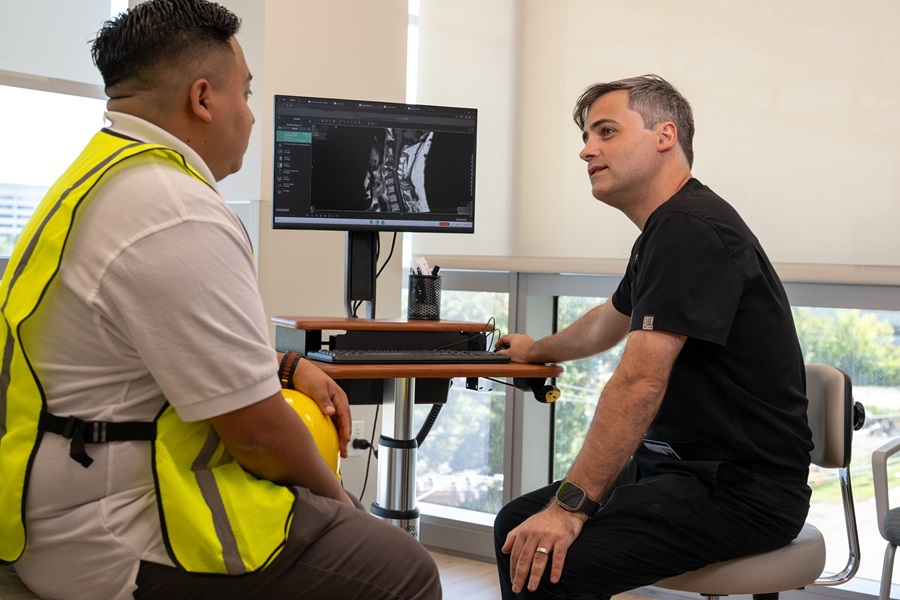
Whether you are onboarding a new hire, facilitating an employee’s return to work after an injury, or conducting annual fitness-for-duty assessments, sending your team members for an occupational health physical is a standard and essential procedure.
However, for many employees, the word “exam” can trigger anxiety. Also, employees who arrive unprepared can cause delayed clearances, invalid tests, and rescheduled appointments.
As an employer, you can streamline this process by proactively communicating with your team. Here is how you can better prepare your employees for their occupational health physical, ensuring a smooth and efficient process for everyone.
1. Demystify the Purpose of the Exam
- Reassure your employees: It's natural for people to feel anxious about medical exams, so explain that this physical is focused strictly on workplace safety rather than being an extensive or intrusive probe into their personal health history.
- Communicate the goal: Let them know the primary purpose is simply to ensure they can perform the specific duties of their job safely, without putting themselves or their coworkers, or others, at risk.
- Encourage honesty: Remind them that having a pre-existing medical condition does not automatically disqualify them from working. The clinical provider just needs to know if their condition requires reasonable workplace accommodations.
2. Set Expectations for What the Exam Entails
Occupational health physicals are tailored to the demands of your specific workplace, so tell your employees exactly what to expect based on their role. Let them know the exam typically includes:
- A Medical History Review: Questions about past surgeries, chronic illnesses, and previous workplace injuries.
- Basic Vitals and Screening: Checks on blood pressure, heart rate, height, weight, and respiration. Roles requiring driving or operating machinery will heavily feature vision and hearing tests.
- Job-Specific Testing: Give your employees a heads-up if they will be subjected to specific protocols, such as:
- Drug and Alcohol Screening: (Specify if it will be urine, breathalyzer, hair, or saliva).
- Physical Ability/Lift Testing: If the job requires heavy lifting, tell them they will need to demonstrate their ability to lift, push, pull, or carry specific weights.
- Spirometry/Pulmonary Function Test: Let them know this is required if they will be wearing a respirator, to ensure their lungs are strong enough.
- Titers or TB Testing: If you are in healthcare or education, remind them they will be screened for infectious diseases.
3. Address Privacy Concerns Proactively
It is completely normal for employees to worry about their employer accessing their private health information.
- Reassure them about HIPAA: Explicitly state that medical privacy laws protect their personal health data.
- Explain the results process: Let them know that the clinic will not send their entire medical chart to HR or their manager. Explain that you will only receive a simple clearance status: Cleared, Cleared with restrictions/accommodations, or Not cleared.
4. Share "Pro Tips" for Appointment Day
Help them get in and out of the clinic as quickly as possible by sharing a few practical tips:
- Dress Code: Tell them to wear loose-fitting, comfortable clothing and closed-toe, flat shoes. Gym attire is usually best for physical capacity tests.
- Hydration Guidelines: Advise them to drink a glass or two of water before the appointment if they need to provide a urine sample. However, warn them not to over-hydrate. Diluted urine can cause an invalid test result, requiring a re-test.
- Skip the Caffeine and Heavy Exercise: Suggest they avoid large amounts of coffee, energy drinks, or rigorous workouts right before the exam, as these can artificially spike blood pressure and heart rate.
The Bottom Line for Employers: An occupational health physical is a proactive step to keep your workplace safe and minimize liability. By clearly communicating expectations and providing the right documents, you empower your employees to breeze through their appointments so they can get to work safely and efficiently.
Tip: Copy and paste this section into an email or print it as a handout to give to your employee prior to their appointment.
Checklist: How to Prepare for Your Occupational Health Physical
To ensure your appointment goes smoothly and quickly, please review this checklist before heading to the clinic.
What to Bring With You:
- Valid Photo ID: A state-issued driver’s license, state ID, or passport (Required).
- Employer Paperwork: Any authorization forms, job descriptions, or chain-of-custody forms provided by HR/Management.
- Assistive Devices: Bring your glasses, contact lenses, or hearing aids. You will be tested with and without them.
- Medication List: A list of all current prescriptions, over-the-counter drugs, and dosages you take.
- Prescription Bottles:Important: If you take any medication that might trigger a positive drug screen (e.g., ADHD medication or prescribed pain relievers), bring the physical bottle with the pharmacy label on it.
- Medical Clearance Letters: If you have a recent or significant medical condition (e.g., heart attack, joint replacement, sleep apnea), bring a clearance letter from your treating specialist stating you are safe to work.
- Immunization Records: (If requested by your employer).
How to Prepare on the Day of Your Exam:
- Dress comfortably. Wear athletic or loose-fitting clothing and closed-toe, flat shoes (like sneakers) in case you are asked to do physical capacity tests.
- Hydrate normally. Drink a glass or two of water beforehand so you are ready if a urine sample is required. Do not over-hydrate, as this can invalidate your test and require you to come back another day.
- Skip the extra caffeine. Avoid energy drinks or large amounts of coffee right before your exam to prevent an artificial spike in your blood pressure.
- Avoid heavy exercise. Skip the rigorous workout right before your appointment, as it can elevate your heart rate and complicate your medical clearance.