

Beyond the First Aid Kit: An Employer’s Guide to AEDs, CPR, and PPE Readiness
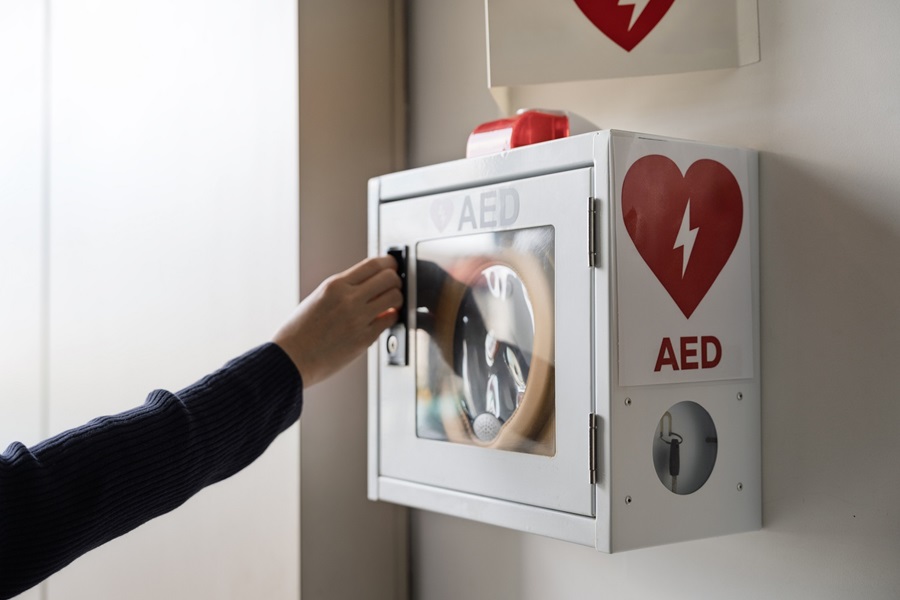
When we think of workplace safety, we often picture caution tape, wet-floor signs, or heavy-machinery safeguards. But true workplace readiness goes far beyond basic hazard prevention. Medical emergencies—like sudden cardiac arrest, severe allergic reactions, or physical injuries—can happen in any environment, from a bustling warehouse to a quiet corporate office.
As an employer, your ability to protect your staff depends on what happens in the crucial minutes before professional paramedics arrive. Equipping your workplace with an Automated External Defibrillator (AED), providing First Aid and CPR training, and enforcing proper Personal Protective Equipment (PPE) protocols are the cornerstones of a truly secure environment.
Here is how you can proactively prepare your workforce for the unexpected and build a culture of safety.
The Lifesaving Power of On-Site AEDs
Sudden Cardiac Arrest (SCA) is a leading cause of death, and the survival rate drops by roughly 10% for every minute that passes without defibrillation. Having an AED on-site is not just a nice-to-have; it is a critical lifesaving tool.
- Make it Visible and Accessible: Do not lock your AED in a manager’s office or hide it behind a reception desk. It should be placed in a highly visible, easily accessible central location, clearly marked with standard 3D signage.
- Demystify the Device:
- Educate your team about modern AEDs and how to use them effectively. These devices are very easy to use and provide clear voice instructions. They will only deliver a shock if they detect a serious heart problem. It's important to demystify the AED so everyone feels comfortable using it. Show employees where the AED is located and how to turn it on. Explain the step-by-step instructions that the device gives during an emergency. Encourage practice scenarios to build confidence. By understanding how the AED works, your team will be better prepared to act quickly and effectively in an emergency.
- Establish a Maintenance Routine: An AED is useless if the battery is dead or the adhesive pads are expired. Assign a specific safety officer or manager to check the AED's status indicator light monthly.
2. Empowering Employees with CPR and First Aid Training
When an emergency strikes, panic is the enemy. Employees who are trained in CPR and basic First Aid can bridge the gap between the onset of an emergency and the arrival of EMS.
- Build a Team of "Safety Champions": While it’s ideal for everyone to be trained, at a minimum, you should ensure that a designated number of employees on every shift and in every department are certified in First Aid and CPR.
- Audit Your First Aid Kits: A dusty, half-empty first aid kit from five years ago won't help in an emergency. Regularly check that kits are fully stocked with fresh bandages, gauze, antiseptic wipes, and medical tape.
3. Proper PPE: It’s Not Just About Providing It; It’s About Training
Personal Protective Equipment (PPE) is your employees' last line of defense against workplace hazards. However, a common employer mistake is simply handing out safety gear without explaining how to use it. Whether your staff needs steel-toed boots, respirators, safety goggles, or simply disposable nitrile gloves for administering first aid, proper training is essential.
- Teach Proper "Donning and Doffing": PPE is only effective if worn correctly. For example, if an employee removes a contaminated pair of first-aid gloves improperly, they risk exposing themselves to bloodborne pathogens. Train your team on the exact procedures for putting on (donning) and taking off (doffing) their gear safely.
- Train on Inspection and Maintenance: Employees should know how to inspect their PPE for wear and tear before every use. A cracked hard hat, a scratched safety lens, or a respirator with a damaged seal offers a false sense of security.
- Lead by Example: A safety culture starts at the top. If managers and executives walk onto the warehouse floor without safety glasses, employees will follow suit.
The Bottom Line for Employers: Safety is not a box you check once a year; it is an ongoing commitment. By investing in AEDs, offering comprehensive First Aid and including the use of the AED, CPR training, and ensuring your team knows exactly how to use their PPE, you do more than comply with OSHA regulations. You empower your employees, reduce workplace panic, and create an environment where your team feels truly valued and protected.