

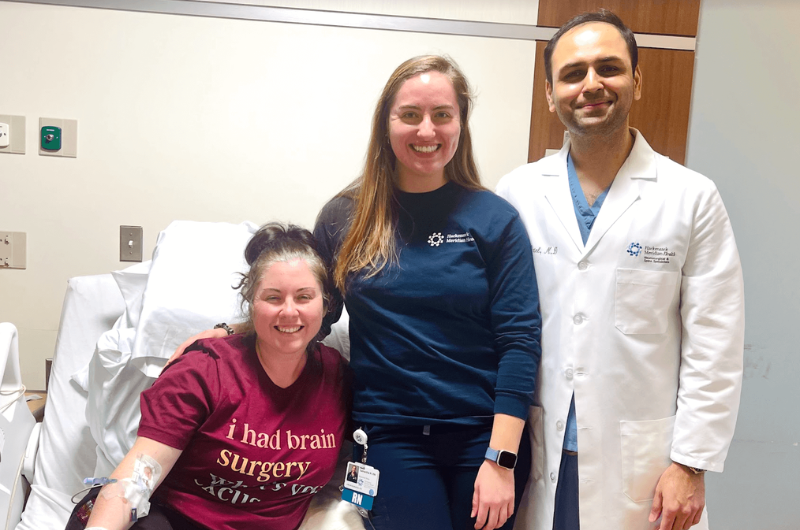
For almost a year, Selena Campione, 36, experienced tingling and numbness on the right side of her body, starting in her face and progressing throughout her body. She visited several neurologists close to her home in Stanhope, underwent nine MRIs and tried eight different medications for everything from multiple sclerosis to seizures. Still, the doctors could not give a firm diagnosis.
Despite everything she tried, Selena’s symptoms were not improving. “There were days when I couldn't walk or use my right hand,” Selena recounts. “My face would swell up. I couldn't speak—I couldn't get words out. And nobody knew what to do.”
That is until a friend urged her to travel two hours to visit neurosurgical oncologist Nitesh Patel, M.D., at the Hackensack Meridian Neuroscience Institute at Jersey Shore University Medical Center. “Right after looking at my case, he called me and mentioned a couple of different brain tumor types that he thought were causing my symptoms.”
Singing During Surgery
Dr. Patel suggested an awake craniotomy to remove the brain tumor, which would help preserve Selena’s speech. Through the use of a technology called Quicktome Connectomics, Dr. Patel could monitor Selena’s speech and other sectors of her brain to ensure they were not impacted while removing the tumor. The catch? Selena needed to be awake and talking. Dr. Patel prefers singing. “Singing allows me to continuously monitor a patient's speech, cadence and rhythm without the interruptions and pauses that occur during a conversation,” Patel said.
Selena, a self-described Swiftie, knew immediately what she would sing during her surgical concert: Taylor Swift’s extensive catalog, mirroring the singer’s famed Eras Tour. “My two daughters and I are huge Taylor Swift fans. I hear her music 24 hours a day—I could sing with her on stage if she wanted me to,” Selena said. “So it just made sense to sing it during surgery. It helped me, and I felt like my daughters were with me.”
As Dr. Patel and his team removed the tumor from Selena’s brain, he monitored her speech while Selena sang along to Taylor Swift favorites, including “22”, “Style” and “Shake It Off,” among others. Selena said the experience wasn’t quite as fun as attending the Eras Tour, but it was enjoyable. “The nurses told me, ‘You are going to have fun in the operating room with Dr. Patel.’ I was like, ‘Really?’” Selena said. “It was fantastic. I didn’t feel anything. Selena says the nurses went above and beyond to make the experience comfortable. “They held my hand, walked me through everything and sang with me. I even think I’ve turned the doctors into Swifties.”
One Jersey Shore ICU nurse, Samantha Nelson, BSN, RN, even came in on her day off to be with Selena in the operating room and picked up additional shifts in the ICU to see her through her recovery. “She was amazing. She was with me the whole time,” Selena said. “I wasn’t even scared during awake brain surgery because they were there.”
Back to Normal After Brain Surgery
Now, a few months post-surgery, Selena is symptom-free. Carlos Eduardo Silva Correia, M.D., a neuro-oncologist, worked with Dr. Patel to help get Selena off of the medications she was prescribed before the discovery of the tumor, with plans to taper off the remaining seizure medication. The tumor was not cancerous, and, except for some regular monitoring, she can go on to lead a normal life.
Selena and her daughters have an amazing story to tell. “Knowing my daughters would have been singing right along with me got me through the surgery,” Selena said. “Now my younger daughter tells her teacher that Taylor Swift was in the operating room singing with me.”
Selena says her health and ability to return to work as a teacher and live a normal life with her husband and daughters are the greatest gifts of all.
Next Steps & Resources
- Meet our source: Nitesh Patel, M.D.
- To make an appointment with a neurologist near you, call 800-822-8905 or visit our website.
- Learn more about the Hackensack Meridian Neuroscience Institute.
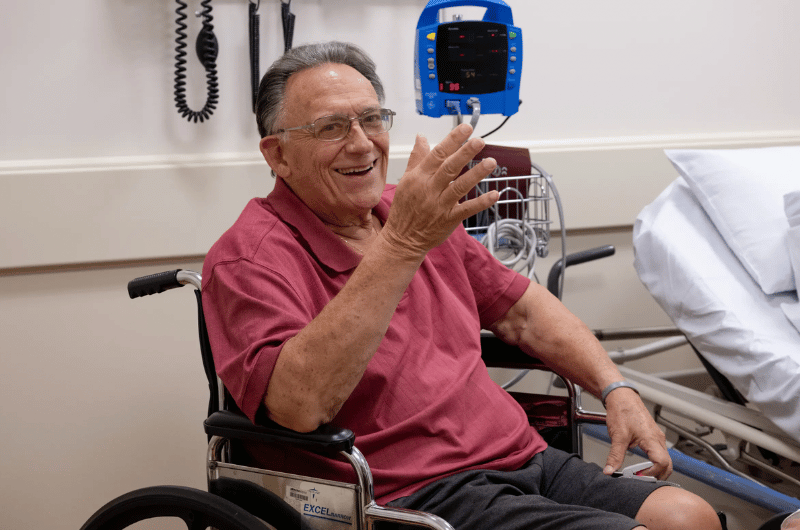
State-of-the-Art Technologies Shrink New Jersey Man’s Brain Tumor
Groundbreaking technology at Jersey Shore University Medical Center shrunk Anthony Scuorzo’s brain tumor with no surgery, pain or anesthesia.
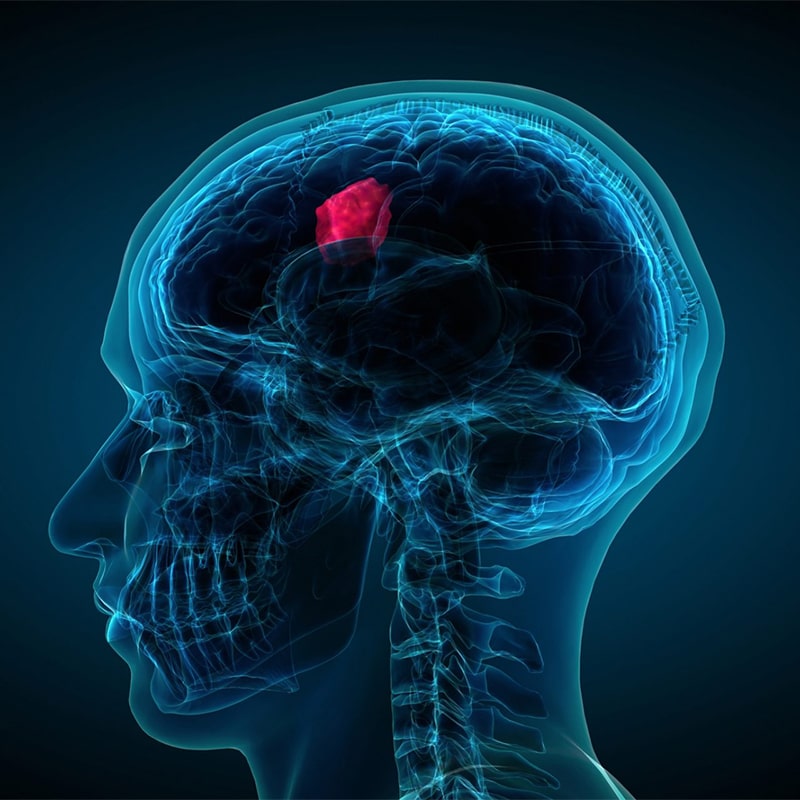
Benign vs. Malignant Brain Tumors
The terms benign and malignant are used broadly when identifying tumors. But there's nothing simple about either when they occur in the brain, the most complex organ in the human body. Learn more.

What Is Neuro Fatigue?
Neuro fatigue explained. Learn about causes, treatments, and prevention strategies from Dr. Krupa Pandey. Schedule an appointment today.

Head Trauma: Know When to Get Help
Head Trauma: Know when to seek help. Learn about symptoms, treatment, and when to get emergency care from leading doctors. Call 800-822-8905.