


A groundbreaking new protocol at Hackensack University Medical Center is transforming the recovery experience for breast surgery patients, virtually eliminating the need for postoperative narcotics. By using a regional anesthesia technique known as PEC I and II blocks, the surgical team is minimizing pain, nausea and recovery time, allowing patients to return home sooner and feel better faster.
Here’s how it works: Imagine your body's pain signals as messages traveling along wires (nerves) to your brain. A PEC block is like temporarily cutting those wires so the pain messages can't get through.
- PEC I (Superficial Cervical Plexus Block): Numbs the skin and muscles of your neck. It's like blocking the wires close to the surface.
- PEC II (Deep Cervical Plexus Block): Numbs a deeper area of your neck, including some nerves that go to your shoulder. It's like blocking the wires further down the line, closer to where they branch out.
Hackensack University Medical Center surgeons and anesthesiologists use these blocks by injecting local anesthetic near the nerves. The numbing effect is temporary, lasting for several hours.
"Since beginning these new protocols, the opioid requirements in these patients has been reduced to zero,” says breast surgeon Christopher M. McGreevy, M.D. “This advancement allows surgeries historically performed under general anesthesia to be done using deep sedation instead. Thanks to the forward thinking and collaborative efforts of Dr. Michael Pham and the anesthesiology department, our patients now receive less anesthesia during surgery.”
A Breast Cancer Patient With Real Results
This innovative approach isn’t just theoretical; it's making a tangible difference in the lives of patients like Sarah, a 46-year-old mother who underwent a bilateral mastectomy with reconstruction at Hackensack University Medical Center just months after the hospital pioneered the use of PEC blocks for this complex procedure. Sarah's story is a testament to the effectiveness of this new protocol.
"I was diagnosed with stage one invasive ductal carcinoma," Sarah explains. After careful consideration and consultation with Dr. McGreevy, she opted for a bilateral mastectomy. "Dr. McGreevy was the one who connected me with plastic surgeon Dr. Ross Cooperman," she adds.
What followed was a surgical experience that defied Sarah's expectations. "I walked out of the hospital myself," she marvels. "As soon as I came out of sedation, I was able to go to the bathroom. I had no pain at all."
While opioids were prescribed, Sarah never needed them. "The first three days, I just had extra-strength Tylenol at night," she says, adding that it was more for peace of mind than actual pain relief. Even more remarkable was the absence of post-operative nausea, a common side effect of anesthesia that Sarah had experienced in the past. "I had a light meal [after surgery]. No throwing up, no feeling of nausea," she recalls. "That really helped because the immediate sense of wellness was right there."
Sarah's recovery was astonishingly swift. "In terms of self-care, I didn't need any assistance from day one," she states. She was walking the very next day, covering 3.5 miles with her drains in place. Within a week, she was back to most of her daily activities, and by week three, she had returned to her desk job.
"I think [the PEC blocks] really made a difference," Sarah reflects. "Otherwise, you come home and you feel so sick with the anesthesia. Your throat's all sore. You're already feeling sick, and then you're not eating well enough. It just impacts your sense of wellness."
Why Commitment to Innovation Matters
Traditionally, opioids were prescribed to manage post procedure pain, but Dr. McGreevy says these highly addictive drugs affect the entire body, leading to potential side effects elsewhere.
“PEC blocks directly target the nerves responsible for pain in the surgical area without the side effects associated with opioids, particularly nausea and constipation that can interfere with a patient's ability to eat, drink, and mobilize, which are crucial for healing and regaining strength after surgery,” explains Dr. McGreevy. “Most patients don't realize that general anesthesia often includes a significant amount of opioids. Utilizing the PECs block and sedation, instead, aids in both immediate post-operative recovery and recovery in the days following surgery.”
Sarah's experience is a powerful example of how Hackensack Meridian Health’s commitment to innovation is leading to better outcomes for patients. The use of PEC I and II blocks reduces opioid dependence while improving the overall quality of recovery, allowing patients like Sarah to reclaim their lives faster and with less discomfort. This new protocol represents a significant step forward in breast cancer care, offering hope and a brighter future for patients facing this challenging diagnosis.
Next Steps & Resources:
- Meet our source: Christopher M. McGreevy, M.D.
- Explore our cancer care services.
- Learn more about breast health services at Hackensack Meridian Health.

Know the Early Signs of Metastatic Breast Cancer
Learn early metastatic breast cancer signs. Doctors Campo and Borofsky share vital info for early detection & treatment. Schedule a mammogram today.

Breast Reconstructive Surgery Recovery: What’s it Like?
If you are facing a breast cancer diagnosis, our expert lays out what you can expect if you choose breast reconstructive surgery.

What to Do When You Find a Breast Lump
Discover breast lump next steps. Dr. Tammaro explains what to do: see your doctor for diagnosis and treatment options. Schedule your appointment today.
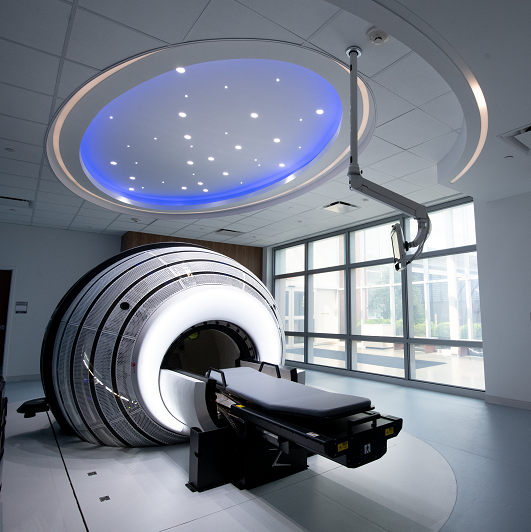
Innovative Radiation Therapies Making Treatment More Precise
Learn about the latest, most innovative radiation therapies that are targeting tumors more accurately and effectively.