





TCAR Procedure in New Jersey
What is TCAR?
Carotid artery disease happens when the arteries on the side of the neck are narrowed by a fatty substance called plaque. If a blood clot gets trapped in the artery or a piece of plaque breaks off and travels to the brain, it can cause a life-threating stroke. The traditional approach to treating carotid artery disease is an open procedure called carotid endarterectomy. Transcarotid artery revascularization (TCAR) is an innovative, minimally invasive treatment that is safer and offers a faster recovery. With TCAR, cardiovascular surgeons use an advanced technique to open blocked arteries without the risk of plaque breaking loose during the procedure and traveling to the brain.Who is a Candidate for the TCAR Procedure?
Transcarotid artery revascularization can help minimize stroke risk in people with carotid artery disease, particularly those who aren’t able to have open surgery because they:
- Are obese
- Have undergone previous surgery on their neck
- Have a pre-existing heart condition
- Have had radiation to their head or neck
What to Expect
After numbing the area, the surgeon makes a small incision just above the collarbone and places a small, hollow tube called a catheter into the carotid artery. The catheter is connected to a filtering system that directs blood away from the brain and through the filtering system.
The filtering system captures any solid materials outside of the body and the filtered blood is returned through a second catheter inserted through a puncture in the upper leg. With blood flow directed away from the brain, balloon angioplasty can be performed safely.
The surgeon uses advanced imaging to guide the catheter with a balloon on the tip the blocked area of the carotid artery. Once in place, the balloon is inflated, which presses the plaque against the artery wall, and a wire mesh tube called a stent is inserted into the artery to stabilize the plaque. Once the stent is in place, the filtering system is stopped and normal blood flow resumes.
Most patients go home within 24 hours of the procedure.
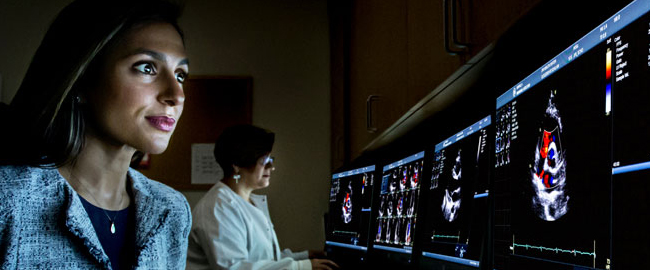
Heart Screenings, Prevention and Diagnostics
Heart screenings, prevention tools and diagnostic tests are all services offered by our cardiology specialists to help understand a patient’s heart condition or risk of heart disease, as well as what prevention or treatment options should be used.

Why Choose Us for Heart Care
Our heart experts perform New Jersey's most successful minimally invasive heart surgeries. Hackensack University Medical Center has earned the distinction of being among the top 10% in the nation for Cardiology, Heart & Vascular Surgery programs from U.S. News & World Report, 2026-2027.
Why Choose Hackensack Meridian Health for TCAR Care
Frequently Asked Questions
Patient Resources

6 Proven Ways to Lower Your Resting Heart Rate
Lower your resting heart rate with 6 proven ways. Dr. Timmapuri offers expert advice. Learn more and schedule an appointment today.

What Causes a Heart Attack at a Young Age?
Young heart attack causes explained. Learn about risk factors & prevention. Dr. Husain offers expert insights. Call 800-822-8905 for care.
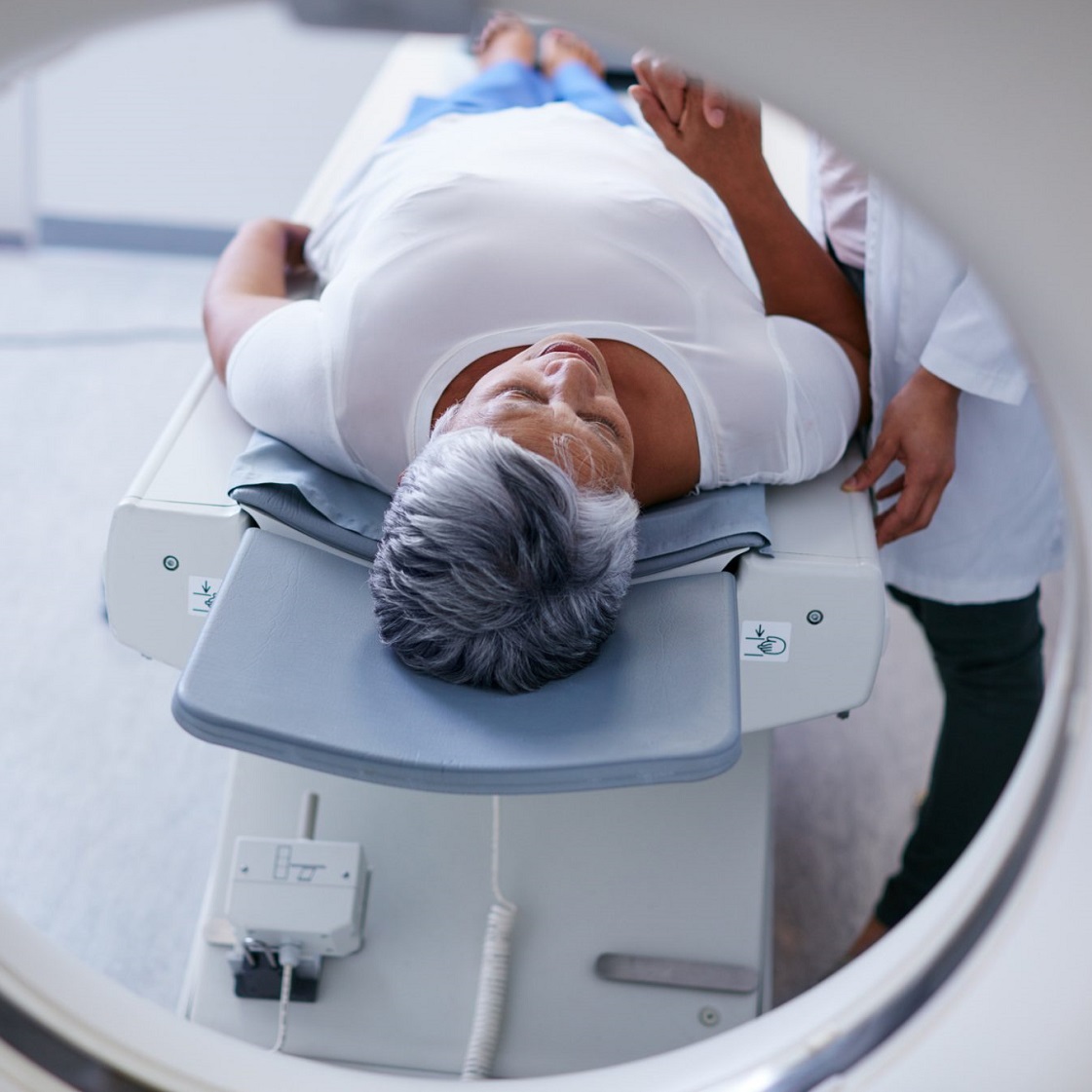
Should You Get a Cardiac Calcium Scan?
Cardiac Calcium Scan: Understand your heart health risks. Learn about this painless procedure & its benefits from Southern Ocean Medical Center's Dr. Gill. Schedule a consultation today.

Keeping Our Hearts Healthy As We Age
Many heart diseases like congestive heart failure and atrial fibrillation can be caught early and treated.