




Pelvic Organ Prolapse Care in New Jersey
Pelvic organ prolapse is a type of hernia that happens when a woman’s pelvic organs — including the bladder, uterus, rectum or bowels — drop down from their normal position and protrude into the vagina. Although this condition is not usually dangerous, it can cause symptoms including discomfort and problems with urination, bowel movements and sexual activity.
If pelvic organ prolapse symptoms are affecting your quality of life, the Urogynecology and Reconstructive Pelvic Surgery experts at Hackensack Meridian Health can help. We offer a full range of treatments — from nonsurgical care to minimally invasive and robotic surgical procedures — and will help you select the option that best suits your needs, lifestyle and preferences.






Diagnosing Pelvic Organ Prolapse
If you’re experiencing pelvic organ prolapse symptoms, schedule an appointment with a Urogynecology and Reconstructive Pelvic Surgery specialist to get an accurate diagnosis. Diagnostic tools, some of which may or may not be recommended, include:
Pelvic Organ Prolapse Treatment Options
When you choose Hackensack Meridian Health for your pelvic organ prolapse care, you have access to a full range of treatments — including surgical and nonsurgical care.
Our Urogynecology and Reconstructive Pelvic Surgery experts understand that pelvic organ prolapse care isn’t one-size-fits-all. We will help you understand your diagnosis, educate you about your treatment options, and offer personalized recommendations tailored to your lifestyle, goals and preferences — so you can choose the right treatment for you.
Nonsurgical Treatment for Pelvic Organ Prolapse
For women who do not want to have surgery or who want to try other therapies first, there are several nonsurgical treatment options for pelvic organ prolapse. Nonsurgical treatments may help strengthen your pelvic floor muscles, relieve symptoms or prevent prolapse from getting worse. However, nonsurgical care does not reverse the prolapse itself. Nonsurgical care options include:
Surgical Treatment for Pelvic Organ Prolapse
If your pelvic organ prolapse is causing bothersome symptoms, your doctor may offer you a surgical procedure. Surgical treatment options include:
Find a Uterine Prolapse Specialist or Care Location

Find a Pelvic Organ Prolapse Specialist
We understand that women have unique needs when it comes to urology care. Hackensack Meridian Health offers expert urologists who specialize in urogynecology, female pelvic medicine and reconstructive surgery.
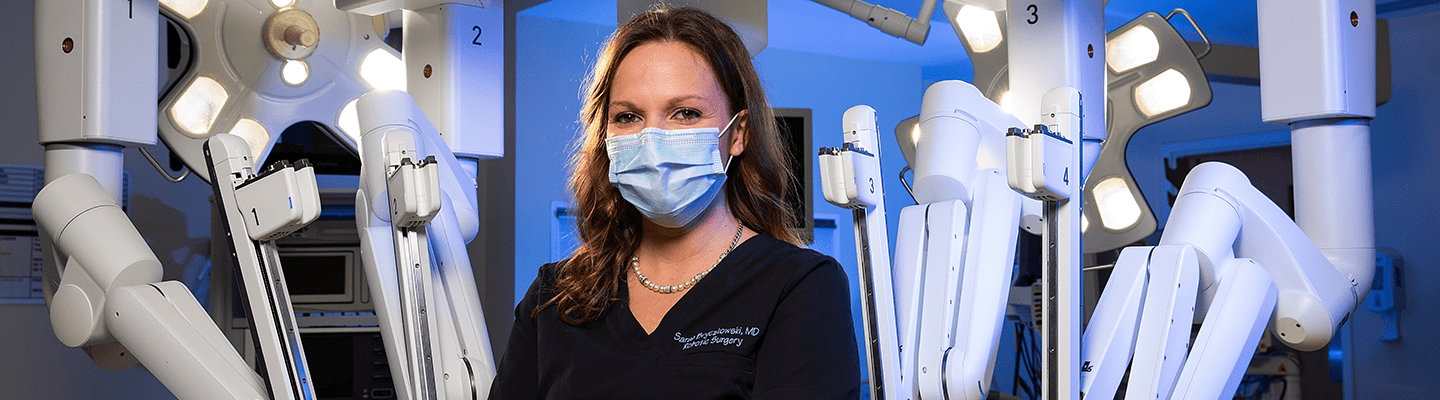
Find A Pelvic Organ Prolapse Care Location
Find a urogynecology care location close to home.
Frequently Asked Questions About Pelvic Organ Prolapse
Contact Our Urogynecology and Reconstructive Pelvic Surgery Experts
If you are having symptoms of pelvic organ prolapse, our Urogynecology and Reconstructive Pelvic Surgery experts can provide comprehensive care. Our team will work with you to develop a treatment plan that fits your lifestyle, goals and preferences — and restores your quality of life. Find a pelvic organ prolapse specialist today.Patient Resources

Should Women See a Urologist?
Women's urinary problems? JFK Medical Center urologist Dr. Lasser offers expert care for UTIs, incontinence, and more. Learn more and schedule an appointment today.
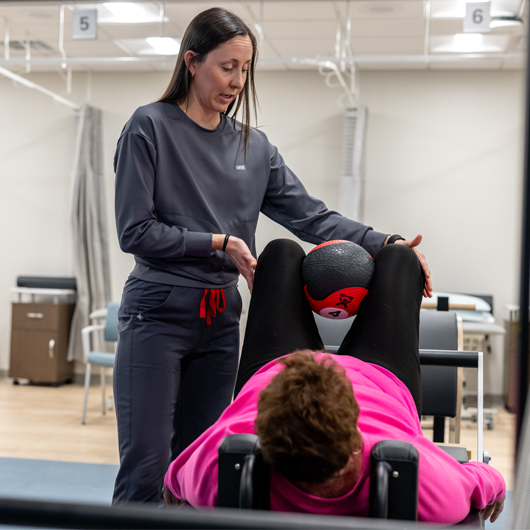
6 Reasons You May Need Pelvic Floor Rehab
Pelvic floor rehab: Find relief from incontinence, pain, and dysfunction. Learn 6 reasons why you may need PT. Call 800-822-8905 for help.

Pelvic Organ Prolapse: 5 Things You Should Know
Pelvic Organ Prolapse: Learn 5 key facts. Dr. Sansone explains treatment options & how to prevent POP. Find relief; call 800-822-8905.

Do You Feel Like Your Bladder Is Dropping?
Pelvic organ prolapse treatment options available. Dr. Bhatia offers solutions for pelvic pressure, incontinence, and other symptoms. Learn more & schedule an appointment.