


Kids with diabetes are just like other kids: they worry about homework, get crushes and enjoy playing with friends. However, they also have special health needs that require attention.
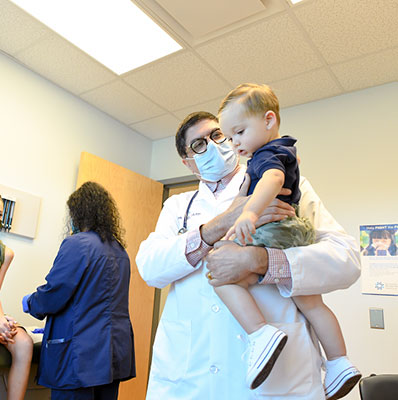
Santhosh Eapen, M.D., a pediatric endocrinologist at K. Hovnanian Children’s Hospital, sheds light on essential facts about diabetes in kids.
Diabetes is becoming more common in kids.
Both type 1 and type 2 diabetes are on the rise among children and adolescents. More than 283,000 children and teens have a diagnosis of diabetes - 0.35% of the United States youth population. Of these children and adolescents, approximately 244,000 have type 1 diabetes and 39,000 have type 2 diabetes.
Both types of diabetes affect kids.
“Most children younger than age 10 with diabetes have type 1,” says Dr. Eapen. “The condition occurs when the body stops making the hormone insulin. Type 2 diabetes cases are rising among youth ages 10 and older. With type 2 diabetes, the body produces insulin but doesn’t use it properly.”
Symptoms are subtle.
The first symptoms of type 1 diabetes include weight loss, fatigue, blurry vision and frequent urination. Early type 2 symptoms can resemble those of type 1. But sometimes patients with type 2 diabetes don’t have any symptoms.
Screening may give kids an advantage.
Risk factors for type 2 diabetes are similar for adults and kids. They include not getting enough physical activity, being overweight, inadequate sleep and having a family history of the disease.
A doctor can evaluate risk factors and recommend diabetes screening, if needed. Early screening can lead to treatment that can prevent or delay diabetes-related problems.
Kids with diabetes need frequent health care visits.
Children with diabetes benefit from care provided by different health specialists. A child may see a doctor, diabetes educator, dietitian and psychologist.
Dr. Eapen adds, “Children with diabetes will need regular follow-up with their health care team. A typical interval for visits would be every three months.”
Physical activity is very important.
Physical activity helps insulin work better and keep blood sugar levels under control. “Children with diabetes should be active for at least an hour every day,” advises Dr. Eapen. “Kids can, and should, do activities they enjoy.”
Schools can’t discriminate against kids with diabetes.
Federal laws protect kids with diabetes in public and private schools. These children have the right to participate in school and receive the health care necessary to stay healthy. For example, a student may need to carry diabetes supplies in his or her backpack.
Kids with diabetes can lead full, fun lives!
“Living with diabetes can be challenging. But with extra support from loved ones, children with diabetes can still enjoy all the things that make childhood memorable,” says Dr. Eapen.
Next Steps & Resources:
- Meet our source: Santhosh Eapen, M.D.
- To make an appointment with a pediatrician near you, call 800-822-8905 or visit our website.
- Learn more about Children’s Health services at Hackensack Meridian Health.
Find a doctor near me

3 Tricks to Get Your Kids Eating Veggies
Help kids eat more veggies! Learn 3 easy tricks from Palisades Medical Center dietitians to sneak veggies into meals your children will love. Get tips now.

Pumpkin's Interesting Health Benefits
Discover pumpkins nutritional benefits. Learn about fiber, vitamins, and antioxidants from registered dietitian Jennifer Seleem. Enjoy healthy recipes.
7 Tips for Choosing a Pediatrician
Find the right pediatrician. Seven tips from Dr. Sevilla help you choose. Convenient locations, flexible hours, and more. Call 800-822-8905.

Preventing Blood Sugar from Dropping at Night
Hypoglycemia occurs when blood glucose levels drop below normal - typically 70 milligrams per deciliter.