

Key Takeaways:
Sleep apnea can cause health issues and impact your quality of life, but it can now be diagnosed with at-home sleep studies.
- Causes: Obstructive sleep apnea occurs when the muscles in the back of your throat relax, blocking your airway during sleep.
- Treatment: Sleep apnea treatment may include continuous airway pressure (CPAP device), a dental appliance, weight loss or surgery.
- Get Care: Get better sleep! Schedule an appointment: Book Online | 800-822-8905
Medically reviewed by John Villa, D.O., Sleep Medicine, Hackensack University Medical Center.
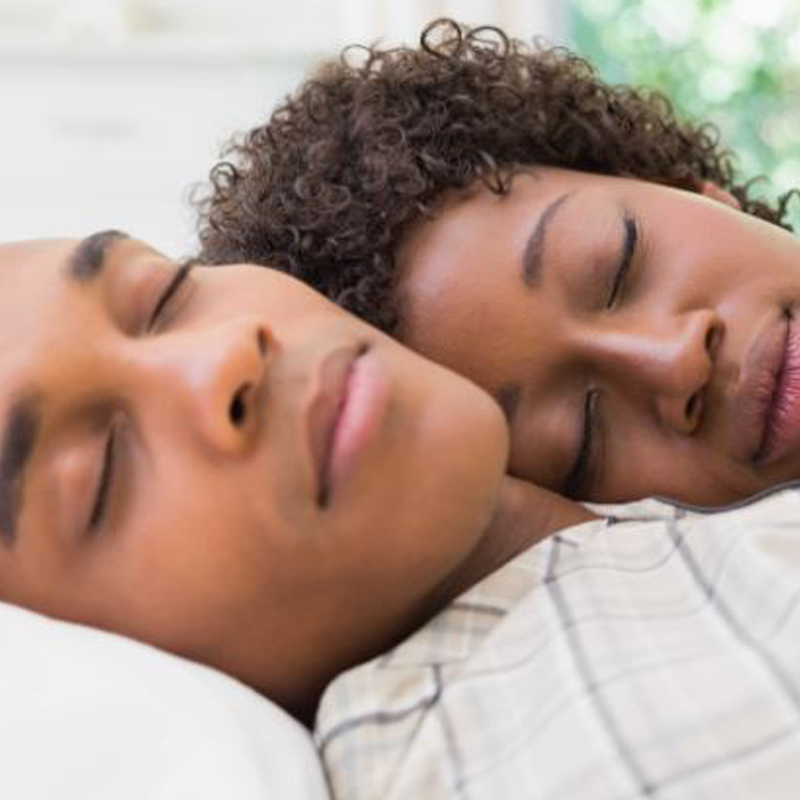
Sleep apnea affects roughly one in four people in the United States. Although it can greatly impact your health and quality of life, nearly 90 percent of people with sleep apnea don’t even know they have it.
John Villa, D.O., medical director of the sleep lab at Hackensack University Medical Center, and Adrian Pristas, M.D., medical director of Sleep Medicine at Bayshore Medical Center and Riverview Medical Center, share why it’s important to take sleep apnea seriously and how at-home sleep testing makes getting a diagnosis easier than ever.
What is Sleep Apnea?
Obstructive sleep apnea, the most common type, occurs when the muscles in the back of your throat fail to keep your airway open as you sleep. This blocks your ability to breathe freely for several seconds or over a minute at a time, as frequently as 30 or more times an hour.
"People with sleep apnea may wake up many times a night, often without even knowing it, and can feel tired the next day because they're not getting enough restorative sleep," explains Dr. Villa. "And other problems could develop, such as high blood pressure, heart problems and weight gain."
Sleep apnea can also affect your nervous system. "It's a significant issue because people who don't sleep well night after night are more likely to have thinking problems and daytime drowsiness, which also increases the risk of motor vehicle accidents," adds Dr. Pristas.
Sleep apnea may also cause depression, moodiness and headaches. Some people may experience reduced sex drive and impotence as well.
Do You Have Sleep Apnea?
Here’s a quick quiz to see if you may have sleep apnea.
- Have you been told that you snore?
- Do you often feel tired during the day?
- Do you know if you stop breathing or has anyone told you that you stop breathing while you are sleeping?
- Do you have high blood pressure or are you taking medication to control high blood pressure?
- Is your body mass index over 35?
- Are you age 50 or older?
- Are you a male with a neck circumference greater than 17 inches or a female with a neck circumference greater than 16 inches?
- Are you male?
If you answered yes to five or more questions, you are at high-risk of sleep apnea. If you answered yes to three or four questions, you have a moderate risk. A sleep study can confirm if you have sleep apnea. Sleep studies, which have traditionally been performed at sleep centers, can now be done in the comfort of your home.
How Does Home Sleep Testing Work?
Similar to studies conducted at a sleep center, at-home testing devices monitor your sleep patterns, blood oxygen levels, heart rate, chest motion and body movement and position.
“At-home sleep testing has become a great resource to assess sleep patterns, ” shares Dr. Pristas.
“Home testing devices have advanced, becoming more comfortable and easier to use. The Hackensack Meridian Health sleep labs are the only centers in the state of NJ to use a disposable unit,” says Dr. Pristas. “The device is shipped directly to your home, and after use, it can be thrown away.”
The data collected by the testing device is reviewed by your sleep specialist, who will analyze the results and develop a treatment plan, if needed.
There are a number of qualifying factors for an at-home study – depending on your health history, your physician will determine if you’re eligible for an at-home test, or if an in-lab assessment is needed.
I Have Sleep Apnea, Now What?
Treating sleep apnea can help improve your health and quality of life. There are several treatment options, including:
- Continuous Positive Airway Pressure (CPAP) device
- Dental appliance for sleeping
- Weight loss Surgery to correct any issues that may be interfering with your ability to breathe well while sleeping
"Our team matches each patient with the treatment that best meets their needs and preferences," asserts Dr. Villa.
Next Steps & Resources:
- Meet our sources: John Villa, D.O., and Adrian Pristas, M.D.
- Learn more about sleep medicine at Hackensack Meridian Health.
Find a doctor near me
Four Unusual Signs of Sleep Apnea
Discover unusual sleep apnea signs like headaches, night sweats, and frequent urination. Dr. Ghacibeh offers expert advice. Learn more and schedule an appointment today.
Reasons Why Sleep Apnea Can Be Serious If Left Untreated
Don’t ignore signs of sleep apnea, as it can cause numerous health risks.
Is Sleep Affecting Your Mental Health?
Do you feel cranky if you stay up too late and wake up early? One night may sour your mood but chronic sleep loss may contribute to mental-health disorders.
Hidden Dangers of Sleep Deprivation: How it Affects Your Body
Consistently not getting enough sleep may increase the risk of various health problems such as obesity, high blood pressure, and even heart disease. Learn how to prioritize sleep for better long-term health.