

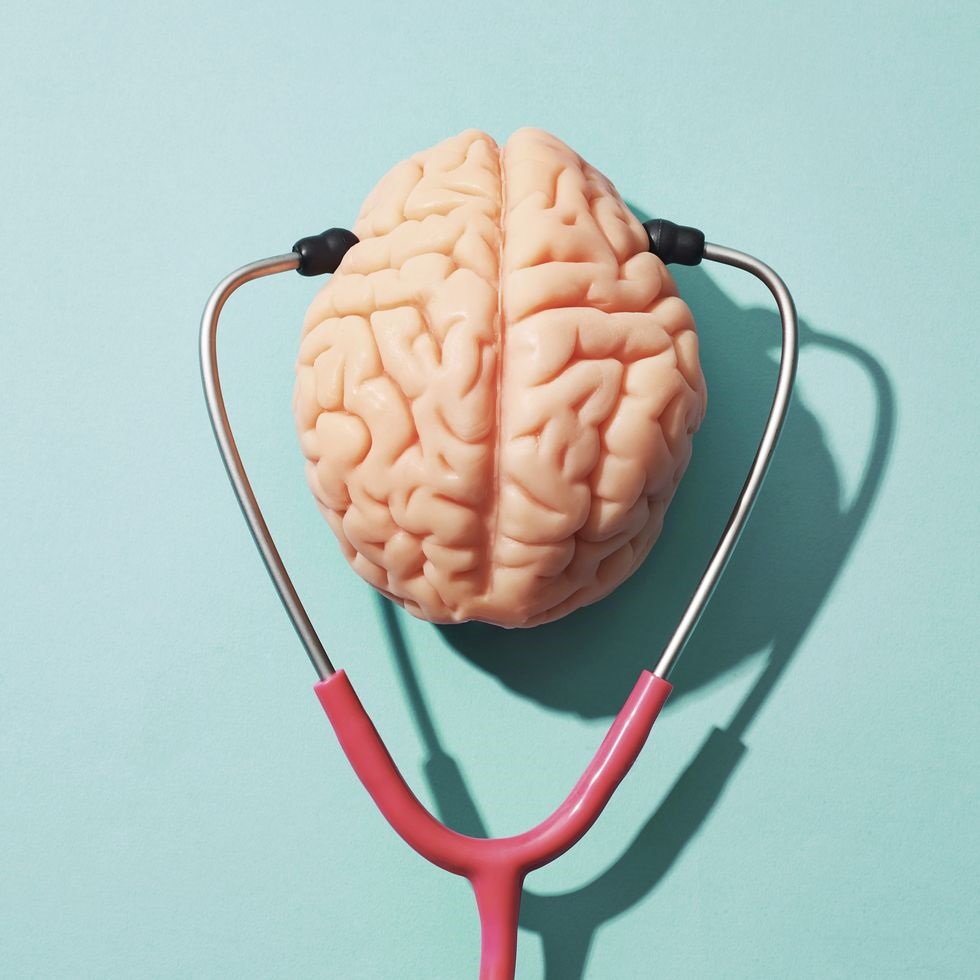
We all set similar goals each year – save more money, eat healthier, exercise more often – in hopes of becoming the best version of ourselves in the days, weeks and months ahead. Even though we’ve all felt foggy from time to time, there is one goal we don’t see often enough: Better brain health.
So we asked experts at Hackensack Meridian Health one simple question, is it possible to train your brain to function better?
Here are a few useful tips and tricks to get your brain functioning at its highest level in 2019.
Devote More Quality Time To Friends, Family
That’s right – going out and socializing with friends and family is just what the doctor ordered.
Having a strong network of family and friends is proven to be good for your overall health; this includes lowering blood pressure and reducing risk for depression. But what’s also important to note, is that having strong social ties is also beneficial for your brain health. Spending time with others has been associated with lowering your risk of developing memory disorders like dementia.
One thing to keep in mind while you’re out socializing is to keep your alcohol intake in check. Even though drinking commonly occurs when going out with friends, an excess of alcohol can reverse the positive effects of socialization. Abusing alcohol is toxic to the brain and can lead to neuron death, which can cause memory loss and even dementia.
Break New Ground
As a child, when you grow and learn, you’re building something called your cognitive reserve – this is your brain’s ability to process a situation and essentially, decipher the best means for getting a job done. It allows for versatility in processing and accomplishing tasks. Those who take on new activities, and experience new situations continue expanding their cognitive reserve.
Try activities that stimulate your brain, like word puzzles and reading, as well as activities that may require manual dexterity like drawing, knitting or other activities that activate your fine motor skills.
Protect your Noggin
This may seem like a no-brainer (pun intended), however it’s important to remember to keep your head protected from injury.
If you engage in physical activities that can make you more prone to injury, like road cycling or rock climbing, it’s imperative that you wear the appropriate protective head gear. Folks who embark on new health and fitness goals may be trying activities they’ve never engaged in before. It’s critical that they project themselves from injury.
Children and adults alike are at risk for traumatic brain injury (TBI), which can be caused by bump or blow to the head. A TBI disrupts the normal function of the brain and can cause cognitive issues like difficulty concentrating or comprehending, as well as impaired memory function.
Get Back to Basics
Prioritize nutrition, exercise and sleep.
Your heart’s health will play a major role in your brain health – which is why high blood pressure, diabetes and obesity are a threat to keeping your brain well. Create meals that contain fruits and vegetables, and focus on including healthy fats like olive oil, nuts, seeds, avocados and certain types of fish like salmon or tuna.
Another component of brain and heart health is exercise. Physical activity can promote the growth of neurons (nerve cells) as well as the connectivity between them (synapses), which results in better brain function and memory.
Poor sleep can also influence brain function – try to abstain from bringing electronics into the bedroom, and maintain a consistent sleep schedule. During sleep, cerebrospinal fluid flows through brain, clearing away toxins and protein buildup that happens during the day. This is critical to maintaining good brain health.
Next Steps & Resources:
- Make an appointment online with a neurologist near you, or call 800-822-8905.
- Learn more about treatments for neurological conditions at Hackensack Meridian Health.
Find a doctor near me
Do Brain-Training Games Really Boost Brain Power?
Boost your brainpower! Learn how brain training games and healthy habits improve memory and focus. Dr. Parulekar shares expert advice. Call 800-822-8905.

What Makes a Child Tic?
Understand child tics? Dr. Khrizman explains causes, management, and when to seek help. Learn more and find support.

How Isolation Can Affect Cognitive Function
Combat isolation's impact on cognitive function. Dr. Kera offers tips for improved brain health & connection. Learn strategies to boost memory & focus.

How to Beat Brain Fog
Beat brain fog. Dr. Duncan offers tips for improved focus and memory. Learn strategies for better sleep and cognitive health. Call 800-822-8905.