

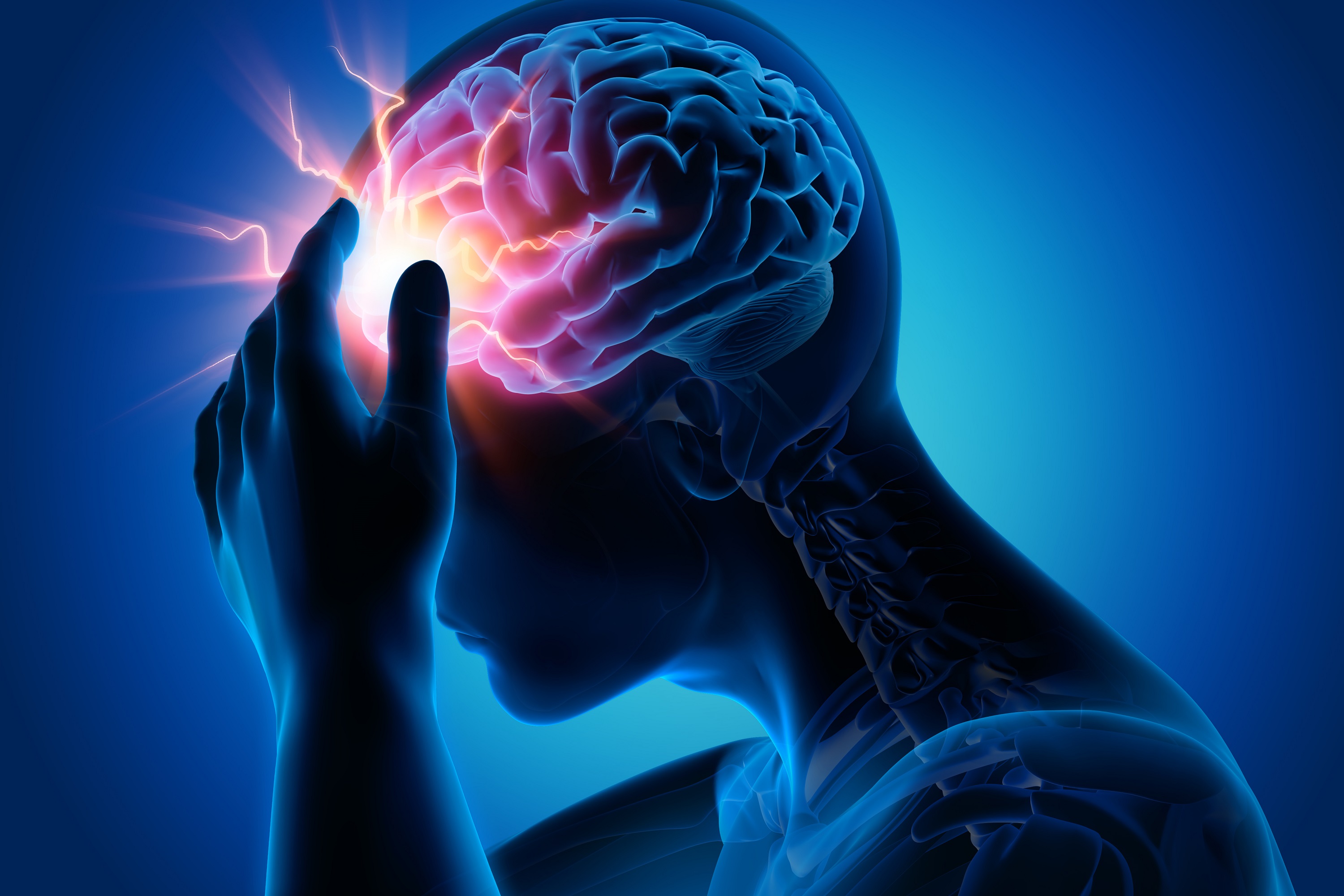
Most people are aware that brain injuries can cause a variety of symptoms, including physical, sensory and cognitive problems that may develop at various stages of recovery. However, many patients and their loved ones don’t realize that brain injuries may also affect emotions, causing perceived personality changes related to mood, thoughts, feelings, behaviors and actions.
How can a brain injury affect personality?
Brain injuries — from mild concussions to severe traumatic brain injuries (TBIs) — can cause a variety of physical symptoms, including headaches, vision problems, sleep difficulties and sensitivity to light and sound. However, because brain injuries may damage connections in the brain that are responsible for regulating emotional and cognitive processes, they can also cause difficulty with:
- Memory
- Concentration and attention
- Decision-making
- Ability to express and regulate emotions or behaviors
- Self-awareness
In addition to changes in the brain’s processing abilities, brain injury patients may also experience emotional reactions related to the challenges of recovery, managing ongoing symptoms and changes in their ability to perform everyday tasks.
“Although personality changes may be noticeable during inpatient brain injury rehabilitation, they often become more pronounced after a patient returns home, spends more time with family and tries to resume normal activities,” said Alphonsa Thomas, D.O., director of Outpatient Clinical Services at Johnson Rehabilitation Institute at Ocean University Medical Center. Dr. Thomas provides ongoing outpatient care for patients after they are discharged from inpatient brain injury rehabilitation.
What are the symptoms of personality changes after a brain injury?
Dr. Thomas, who specializes in rehabilitation and brain injury medicine, said that it’s important to remember that no two brain injuries are the same — and as a result, brain injury symptoms can be different for each patient.
“Any type of brain injury, regardless of severity, can cause personality changes — and some patients may not experience any personality changes at all,” said Dr. Thomas.
For patients who do experience personality changes, common symptoms include:
- Becoming quick to anger or frustration
- Difficulty regulating emotions
- Laughing or crying at inappropriate times
- Losing the ability to express emotions, also called “flat affect”
- Aggression, which can be alarming to patients and family members
- Becoming obsessive or inflexible
Is treatment available for personality changes related to brain injuries?
If you or a loved one is experiencing personality changes after a brain injury, Dr. Thomas said it’s important to know that these symptoms are common and manageable with proper treatment.
“As the brain tries to heal itself, patients may notice that symptoms improve over time,” said Dr. Thomas. “In the meantime, we work to identify and manage triggers while reassuring families that their loved one is still there, and that these changes are part of the recovery process.”
For example, patients may be more likely to experience emotional symptoms if they are tired, overwhelmed, stressed, or surrounded by too much external stimuli. Managing the patient’s environment and making lifestyle changes may help to reduce symptom flare-ups.
Dr. Thomas also said that she often refers patients and families to a neuropsychologist — a clinician who helps patients and their loved ones understand how a brain injury may impact feelings and behavior.
“Neuropsychologists are an important part of our brain injury care team,” said Dr. Thomas. “They help patients learn coping skills and how to use cognitive behavioral therapy (CBT) techniques to manage symptoms, and even offer family counseling.”
Next Steps & Resources:
- Meet our Experts: Alphonsa Thomas, D.O.
- To make an appointment with Dr. Thomas or a doctor near you, call 800-822-8905 or visit our website.
- Learn how Johnson Rehabilitation Institute offers comprehensive treatment for all types of brain injuries.
Find a doctor near me
Types of Headaches Explained by a Neurologist
Understand headache types. Neurologist Dr. Gerhardstein explains migraines, tension, and cluster headaches. JFK University Medical Center offers care. Call 800-822-8905.
Rehabilitation After a Brain Injury

Back to School: Individualized Approach to Brain Injury Rehabilitation
Brain injury rehab: Personalized care. Recover & return to life. Learn Kajal's story & find expert help. Call 800-822-8905.

Differences Between a Stroke and a Brain Aneurysm
Strokes and brain aneurysms are similar but not the same, says neurosurgeon Yevgenia Shekhtman, M.D. They both can cause severe damage—even death.