

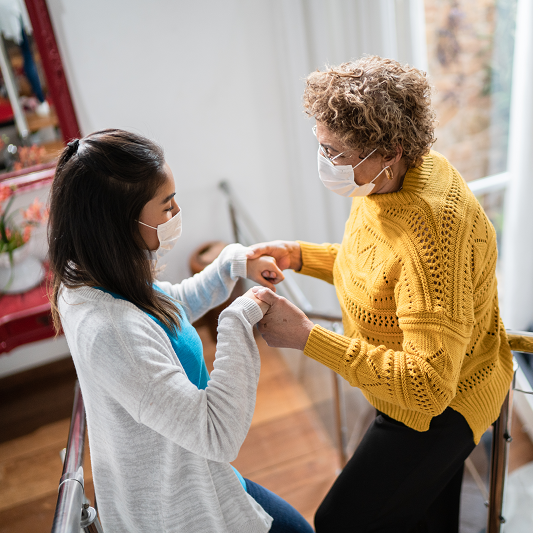
About 10 to 15 percent of all Parkinson’s disease is caused by genetics. But research points to a combination of genetic and environmental factors as likely causes. Parkinson’s is a neurodegenerative disorder that ultimately results in the loss of nerve cells in the part of the brain known as the substantia nigra.
“This part of the brain is responsible for creating dopamine, which is vital to regulating movement in the body,” says Philip A. Hanna, M.D., FAAN, the director of the Parkinson’s Disease and Movement Disorders Center at the Neuroscience Institute at JFK University Medical Center. According to the Parkinson’s Foundation, about 10 to 15 percent of all Parkinson’s disease is caused by genetics. Mutations in specific genes associated with Parkinson’s can be inherited or passed down generationally. But most research points to a combination of genetic and environmental factors as likely causes of Parkinson’s.
“Scientists are still learning exactly how and why some people develop Parkinson’s and others don’t,” Dr. Hanna says.
Symptoms of Parkinson’s may include:
- Tremors most typically in the arms while at rest
- Slowness of movement
- Muscle stiffness
- Imbalance
- Non-motor symptoms affecting sleep, mood (such as depression and anxiety), blood pressure regulation and cognition
Are You at Higher Risk?
It is relatively rare for a parent to pass down Parkinson’s to a child. However, people who get early-onset Parkinson’s are more likely to have inherited it.
In most cases, the cause of Parkinson’s is unknown, although the most common risk factors include:
- Age (over the age of 60)
- Male gender
- Mutations in specific genes associated with Parkinson’s
- A family history of Parkinson’s
- Exposure to herbicides or pesticides
The only way to truly determine if you or a member of your family is carrying one of the genes associated with the disease is to participate in genetic testing. These tests can identify if you have an associated gene marker and how likely it is that it will be passed down to your children.
“While there isn’t a way to fully prevent Parkinson’s disease, you can certainly be proactive,” Dr. Hanna says. “Genetic testing and counseling will allow you to discover if you do have a mutated gene, how likely it is that it will be passed down to your children, as well as the best treatment options for your diagnosis.”
Next Steps & Resources:
- Meet our source: Philip Hanna, M.D.
- Make an appointment online with a neurologist near you, or call 800-822-8905.
- Learn more about our Neurosciences department, which offers a wide variety of services for those living with Parkinson’s disease.
Find a doctor near me

I Have Parkinson’s Disease. Now What?
Living with Parkinson's? Learn how to manage symptoms and improve your quality of life. Expert advice from Dr. Rossi. Call 800-822-8905.
Do Benign Tumors Need to Be Removed?
Benign Tumors: Learn when removal is needed. Dr. Patel of Jersey Shore University Medical Center explains diagnosis and treatment options. Call 800-822-8905.

Tips for Celebrating the Holidays with Someone with Dementia
The holidays bring unique challenges for people with dementia and their loved ones. Our expert offers tips for a peaceful, enjoyable holiday season.

Two Centenarians and Their Doctor on How to Thrive at 100
Many of us have the goal of living a long, healthy life. Here’s how two centenarians have done that.