


Pain that makes you hesitate to use your shoulder may be a sign of a condition known as frozen shoulder.
Because the condition restricts shoulder range of motion, you may notice difficulties with everyday activities, particularly those that require you to reach with your arm.
Healing from a frozen shoulder takes time, but the symptoms can be manageable with doctor assistance. That is where Craig Van Dien, M.D., a board certified sports medicine and physical medicine and rehabilitation (PM&R) physician at JFK Johnson Rehabilitation Institute comes in.
Common causes of frozen shoulder
Not all patients will have a clear reason for why they develop frozen shoulder. One’s risk, however, can increase with certain medical conditions. In addition, frozen shoulder can develop after shoulder injury or surgery.
According to Dr. Van Dien, frozen shoulder is more commonly found among:
- Adults older than 40
- Women
- People with certain medical conditions such as diabetes or stroke patients
- People with rotator cuff disorders and shoulder injuries (such as a fracture)
- People who underwent shoulder surgery
Symptoms of frozen shoulder
“The hallmark of frozen shoulder is pain and reduced shoulder motion,” says Dr. Van Dien. “As time progresses, the shoulder motion may become more restricted, limiting your ability to perform daily activities.”
There are three distinct stages of frozen shoulder, each of which has its own set of symptoms:
- During the “freezing” stage, intense pain keeps you from using your shoulder much, and the lack of usage reduces your range of motion.
- During the “frozen” stage, you may not feel as much pain as before, but you may lose more range of motion, making it hard to do many tasks.
- During the “thawing” stage, the range of motion gradually returns to your shoulder joint, and any remaining pain should fade.
When to see a doctor about frozen shoulder
If your shoulder hurts and you’re beginning to lose range of motion, it’s important to talk to your doctor.
A physician can often diagnose the condition with a physical exam alone. However, an X-ray may be ordered to assess for other underlying shoulder conditions. Treatment plans focus on pain reduction and restoration of shoulder function. This may include anti-inflammatory medications, steroid injections and physical therapy.
How to prevent frozen shoulder
If you’ve had a shoulder injury, early exercise focusing on range of motion may reduce the risk for developing frozen shoulder. This should be done under the instruction of your treating physician, so schedule an examination soon after the injury to address your concerns.
Next Steps & Resources
- Meet our source: Craig Van Dien, M.D.
- Make an appointment online with a doctor near you, or call 800-822-8905.
- Learn more about Sports Medicine and Rehabilitation at Hackensack Meridian Health.
Find a doctor near me
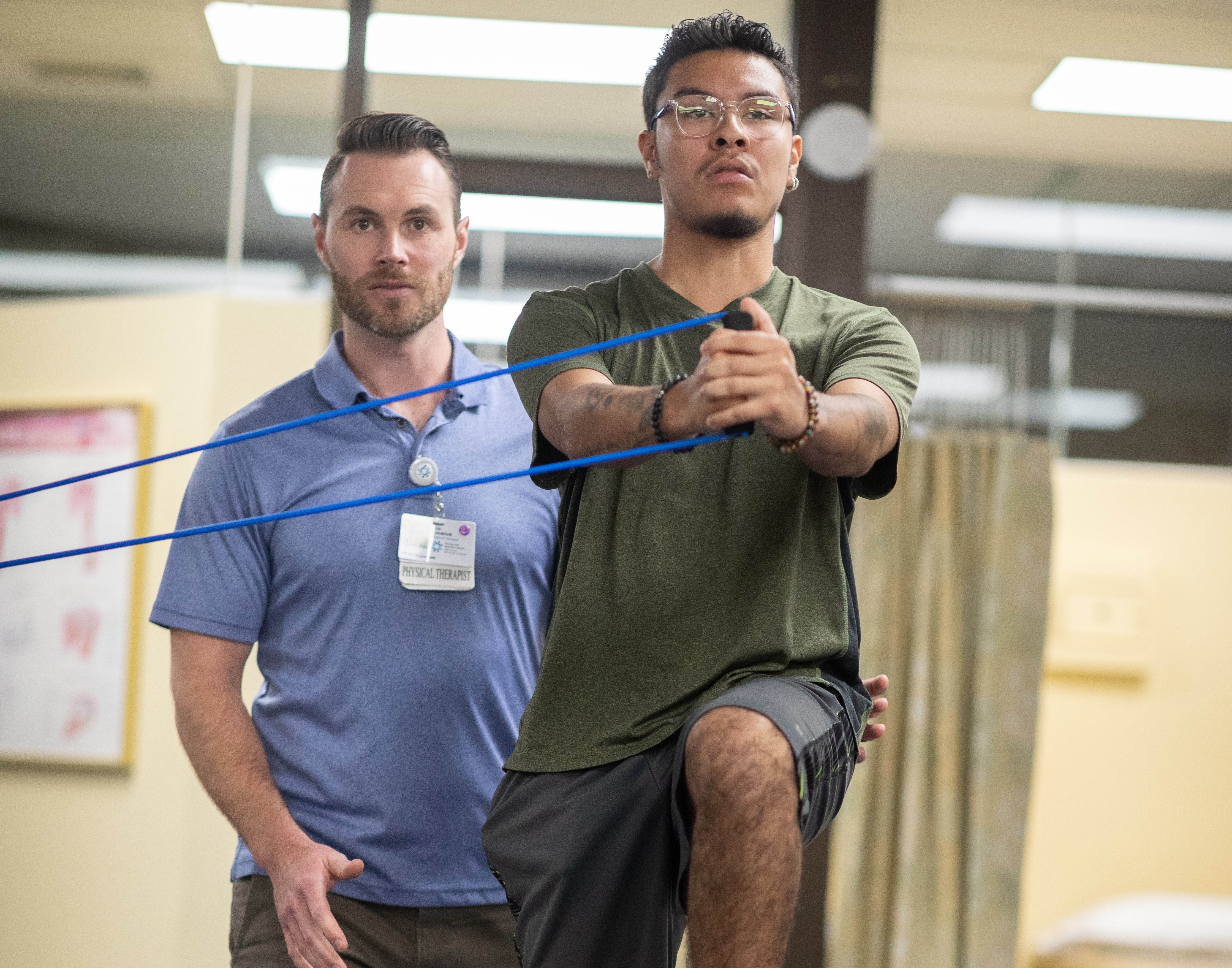
Chronic Low Back Pain Can’t Stop Metuchen Musician
Metuchen musician Jonathan Munoz overcame chronic back pain. Find relief and return to your active life. Learn more and schedule an appointment today.

How to Know When Back Pain is Muscular
Understand back pain? Dr. Van Dien explains muscular causes, symptoms, and treatment. JFK Johnson Rehabilitation Institute offers care. Call 800-822-8905.

Shoulder Pain Without Injury: Top 6 Causes and How to Find Relief
Learn about common causes of shoulder pain without injury and how to find relief. Discover treatment options from experts at Hackensack Meridian Health.

3 Ways to Fix Neck and Shoulder Pain
Dr. Delavaux explains three common work-related scenarios that can lead to neck and/or shoulder pain and provides helpful solutions. Learn more.