


By Kylie Stanger
At hospitals across the country, doctors are seeing an uptick in RSV or Respiratory Syncytial Virus cases, which usually happens in the fall/winter months.
This contagious yet common virus causes cold-like symptoms and almost all children are exposed to the germ before the age of two. For most healthy children, RSV can feel like a typical cold and they recover in about a week or two. However, some children can get very sick and may need hospitalization to help treat the virus.
What are the symptoms of RSV?
RSV symptoms are typically at their worst on days three through five of the illness. Symptoms of RSV include:
- Stuffy or runny nose
- Decrease in appetite
- Coughing
- Sneezing
- Fever
- Wheezing
- Difficulty breathing
Who is at risk for RSV?
There’s a greater risk for severe illness or hospitalization from RSV for:
- Premature infants
- Very young infants (6 months and younger)
- Children younger than 2 years old with chronic lung disease or congenital (present from birth) heart disease
- Children with weakened immune systems
- Children who have neuromuscular disorders, inducing those who have difficulty swallowing or clearing mucus secretions
How is RSV treated?
Most RSV infections go away on their own in a week or two. But some people with an RSV infection, such as older adults and infants younger than 6 months of age may need to be hospitalized if they are having trouble breathing or are dehydrated.
“Our main focus is to help the child get better,” says Katharine Clouser, M.D., a pediatric hospitalist at Joseph M. Sanzari Children’s Hospital at Hackensack University Medical Center. “They are going to get some suctioning to help with the mucus, IV fluids to help with hydration and extra oxygen to help the child breathe.”
What are some steps we can take to relieve symptoms of RSV?
Over-the-counter fever reducers and pain relievers such as acetaminophen or ibuprofen to manage fever and pain (if older than 6 months). Always avoid aspirin and cough and cold medicines. Talk to your doctor before giving your child any medication.
- Give plenty of fluids to prevent dehydration.
- Using a nasal aspirator on young children who have trouble blowing their nose.
- Cool-mist humidifier to help break up mucus and allow easier breathing.
- Talk to your health care provider for the right care plan for you.
“If you notice your child having a hard time breathing or eating, call your pediatrician,” says Dr. Clouser. “If you can’t get in right away, go to the emergency room. Especially with young kids or babies, you don’t want to risk it.”
Next Steps & Resources:
- Meet our source: Katharine Clouser, M.D.
- To make an appointment with Dr. Clouser, or a doctor near you, call 800-822-8905 or visit our website.
Find a doctor near me

Can Babies Get COVID-19?
Protect your baby from COVID-19. Learn about symptoms, vaccines, and when to seek medical care. Dr. Riollano Cruz offers expert advice. Call 800-822-8905.
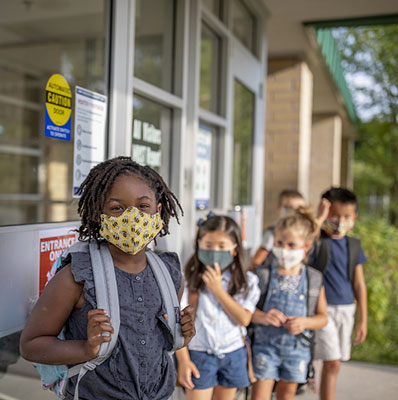
Should Kids Still Wear Masks?
Should Kids Still Wear Masks? Dr. Bal offers guidance on mask-wearing for children. Learn how to protect your child. Get expert advice now.
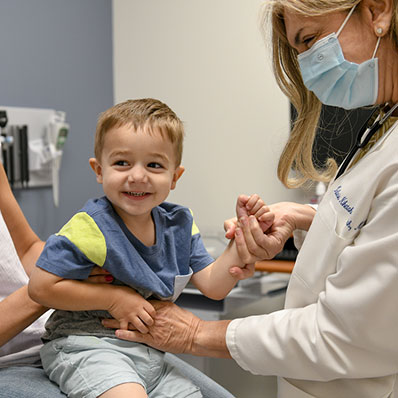
Should I Get My Child Vaccinated?
Child COVID-19 vaccination: Doctors Clouser & Pall explain safety, benefits, and scheduling. Protect your child. Call 800-822-8905.

How to ID Common Kid Bugs
Identify common childhood illnesses (RSV, cold, COVID-19, flu). Learn how to differentiate symptoms & protect your child. Call 800-822-8905.