


You may experience a vitamin D deficiency if you don’t spend enough time in the sun – experts recommend 15 to 20 minutes of sun exposure three times per week – or if you don’t consume enough foods rich in vitamin D. Certain health conditions, including celiac disease or gastric bypass surgery, also make it harder for the body to absorb dietary vitamin D.
“Regular sun exposure is the primary way that people maintain their vitamin D levels,” says family medicine physician, Anita Jasani, M.D. “It’s best to expose the skin on your face, as well as your arms and or/legs, to sunshine for 20 minutes a day a few days per week to allow your body to produce sufficient vitamin D. However, some people don’t spend meaningful amounts of time outdoors.”
Having sufficient levels of vitamin D helps your body to absorb dietary calcium, which helps to keep your bones strong. A vitamin D deficiency may cause:
- Osteoporosis
- An increased risk of bone fractures
- Rickets (soft, bendable bones) in children
- Osteomalacia (weak bones, muscle weakness) in adults
Researchers are investigating to see whether low vitamin D levels may also be associated with an increased risk of:
- Diabetes
- Multiple sclerosis
- Certain autoimmune diseases
- Certain types of cancer, including breast, prostate and colon cancer
Symptoms of vitamin D deficiency
Many people don’t realize that they have vitamin D deficiency, because they don’t experience symptoms or they have vague symptoms. The deficiency may be present for years before someone may experience signs of the condition, including:
- Feeling tired
- Experiencing bone pain
- Having muscle weakness or muscle cramps
- Experiencing depression or other mood disorders
When to see a doctor
If you’re experiencing vague symptoms like fatigue, bone pain and muscle weakness, see your doctor to discuss possible causes based on your symptoms, your personal medical history and a physical exam. If your doctor suspects low vitamin D levels, they can send you for bloodwork to confirm.
Seeing your doctor annually for a well visit that includes blood work may also be helpful at catching low vitamin D levels, because it may diagnose a deficiency before symptoms arise.
How to treat vitamin D deficiency
Vitamin D supplements may help to reverse a vitamin D deficiency. Taking 600 IU (international units) of vitamin D daily is the recommended amount for children aged 1 and up, as well as adults aged 18 through 70, including pregnant and breastfeeding women. Babies under a year old only need 400 IU vitamin D daily. Adults aged 71 and older should get 800 IU daily. If you’re diagnosed with a vitamin D deficiency, your doctor may recommend higher levels of vitamin D via supplement.
Taking vitamin D dietary supplements as directed should help your levels return to a healthy range, which should help you keep your bones strong.
Next Steps & Resources:
- Meet our source: Anita Jasani, M.D.
- To make an appointment with Dr. Jasani, or a doctor near you, call 800-822-8905 or visit our website.
Find a doctor near me

How to Avoid Slipping on Ice
Avoid winter falls! Dr. Porter shares tips for safer walking on ice, preventing injuries like ankle sprains and fractures. Learn how to walk and fall safely.
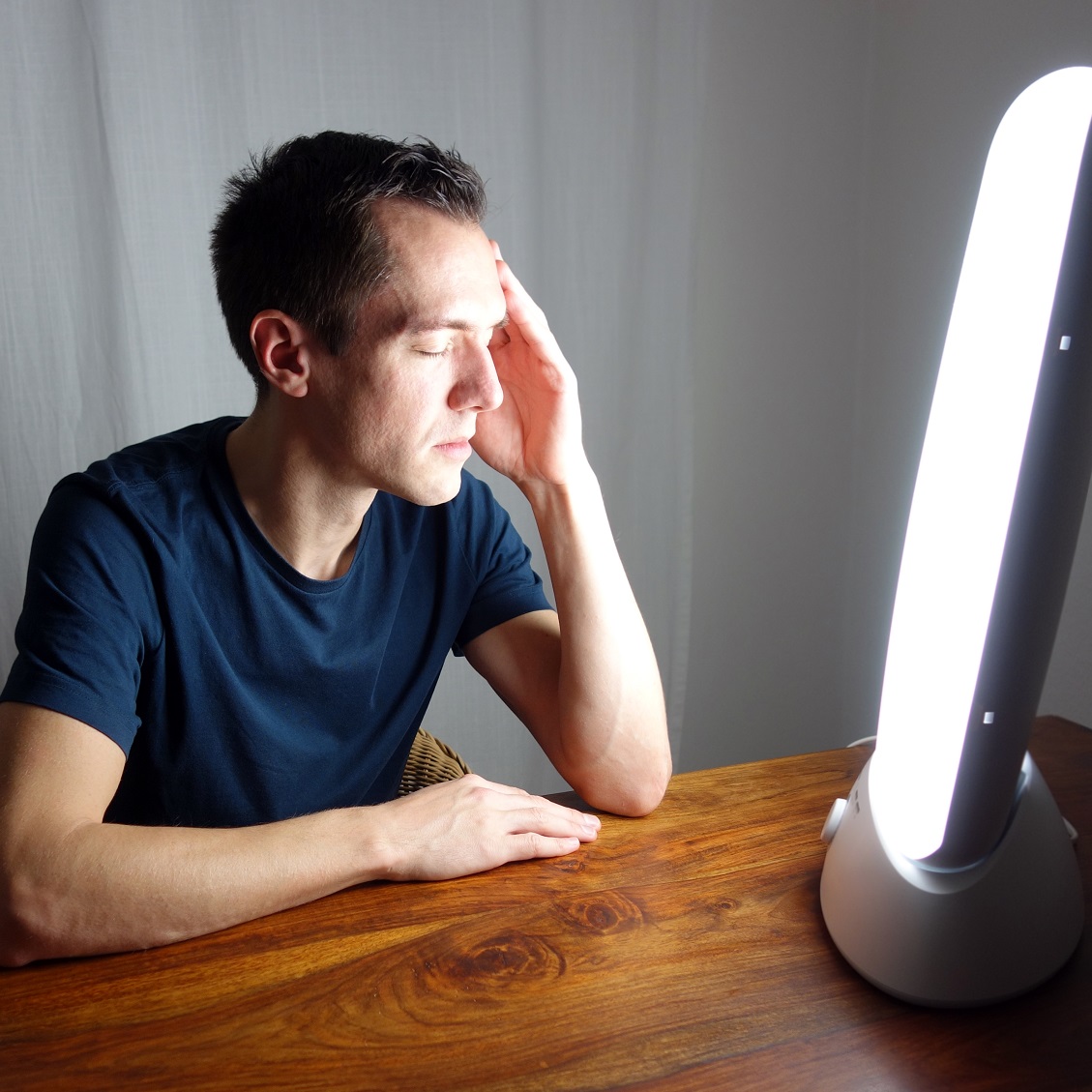
How Light Therapy Lamps Actually Work
Learn how light therapy lamps treat SAD and other conditions. Dr. Alcera explains how light therapy works and offers guidance. Find relief from depression symptoms. Call 800-822-8905.

Why Kids Need Vitamin D Supplements in the Winter
Kids need vitamin D in winter. Learn why supplements are important for bone health and how much your child needs. Consult your doctor.

4 Things to Fend Off Seasonal Depression
If it feels like it’s harder to find joy in winter, you’re not alone. About 5 percent of American adults experience seasonal depression, also known as seasonal affective disorder (SAD).