

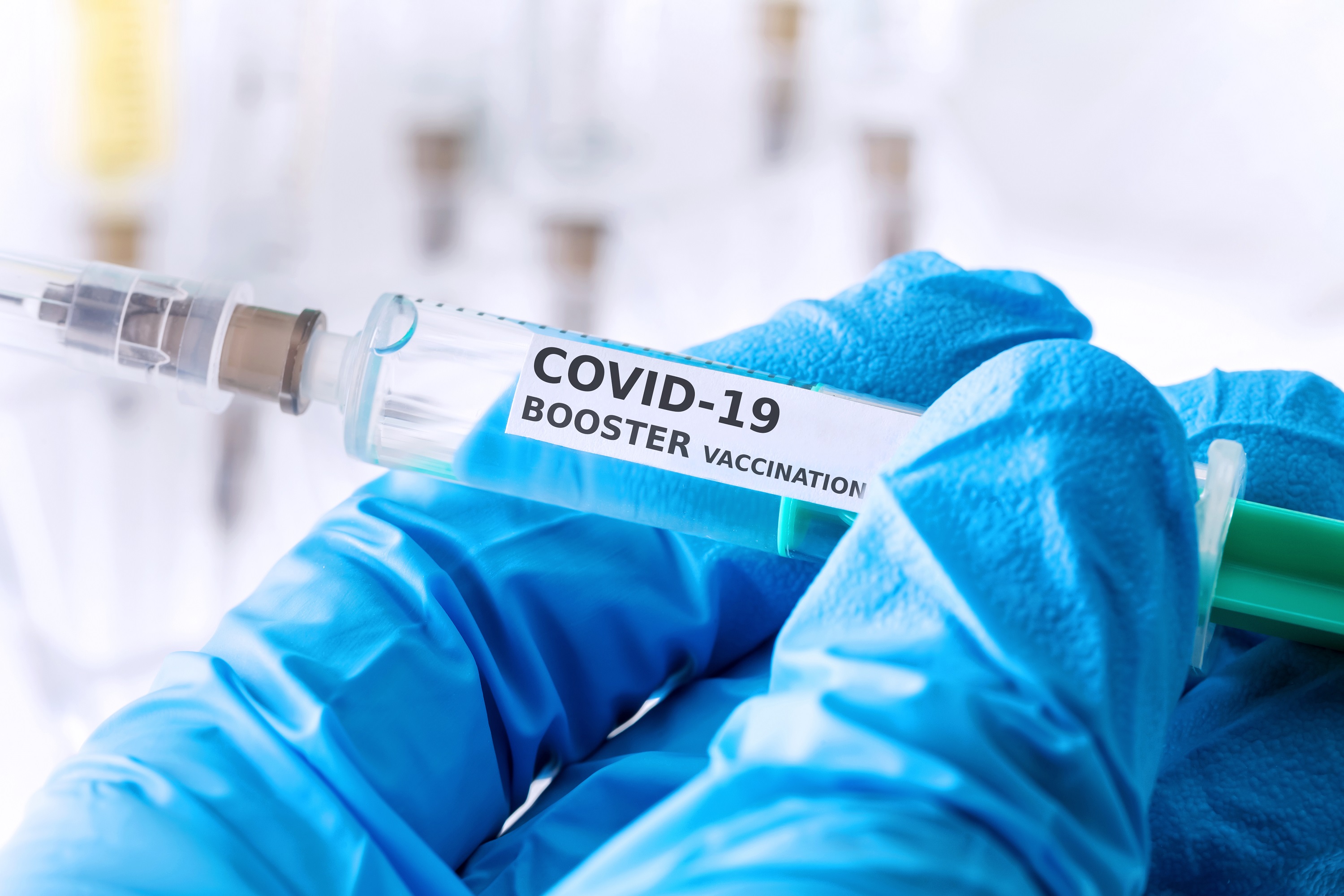
The U.S. Food and Drug Administration authorized the distribution of a second booster dose of COVID-19 vaccinations of either Pfizer-BioNTech or Moderna for those 50 years and older and those who are 12 years and older who are moderately or severely immunocompromised.
“Both the first and second dose of an mRNA COVID-19 vaccine can help protect against severe COVID-19 cases and do not prompt concerns for safety or adverse effects,” says Jerry Zuckerman, M.D., vice president of infection prevention and control at Hackensack Meridian Health.
Who Is Considered Immunocompromised?
People who are considered to be immunocompromised have a weakened immune system due to several varieties of conditions.
Examples include:
- Those who are actively receiving cancer treatment for tumors or cancers of the blood
- Those who have received an organ transplant
- Those who have had stem cell transplant procedures within the last two years
- Those who are taking medication that suppresses the immune system
- Those who have moderate to severe primary immunodeficiency
- Those with advanced or untreated HIV infection
- Those being treated with high-dose corticosteroids or other drugs that may compromise their immune response
Who Should Get a Second Booster?
The U.S. Food and Drug Administration agency has amended the vaccination emergency use authorizations as follows:
- A second booster dose of the Pfizer-BioNTech or Moderna COVID-19 vaccine may be administered to individuals 50 years and older at least four months after receiving the first booster dose of any authorized or approved COVID-19 vaccine.
- A second booster dose of the Pfizer-BioNTech COVID-19 vaccine may be administered to individuals 12 years and older with certain kinds of immunocompromise at least four months after receiving the first booster dose of any authorized or approved COVID-19 vaccine. These are people who have undergone solid organ transplantation or are living with conditions that cause them to be immunocompromised.
- A second booster dose of the Moderna COVID-19 vaccine may be administered at least four months after the first booster dose of any authorized or approved COVID-19 vaccine to individuals 18 years and older with the same certain kinds of immunocompromise.
The FDA emphasizes that the benefits of any sequential COVID-19 vaccination booster doses outweigh any known or potential risks in populations of immunocompromised and older individuals.
“As COVID-19 continues to circulate in the world and new variants/subvariants emerge, it is important for the elderly and immunocompromised to maintain the highest level of protection possible,,” says Dr. Zuckerman. “Receiving a 2nd booster will help to restore this protection that may have waned with time.”
If you have questions regarding COVID-19 vaccinations, reach out to your healthcare provider to have an informed discussion as it pertains to your health status and medical condition.
Next Steps & Resources:
- Meet our source: Jerry Zuckerman, M.D.
- To make an appointment with a doctor near you, call 800-822-8905 or visit our website.
Find a doctor near me
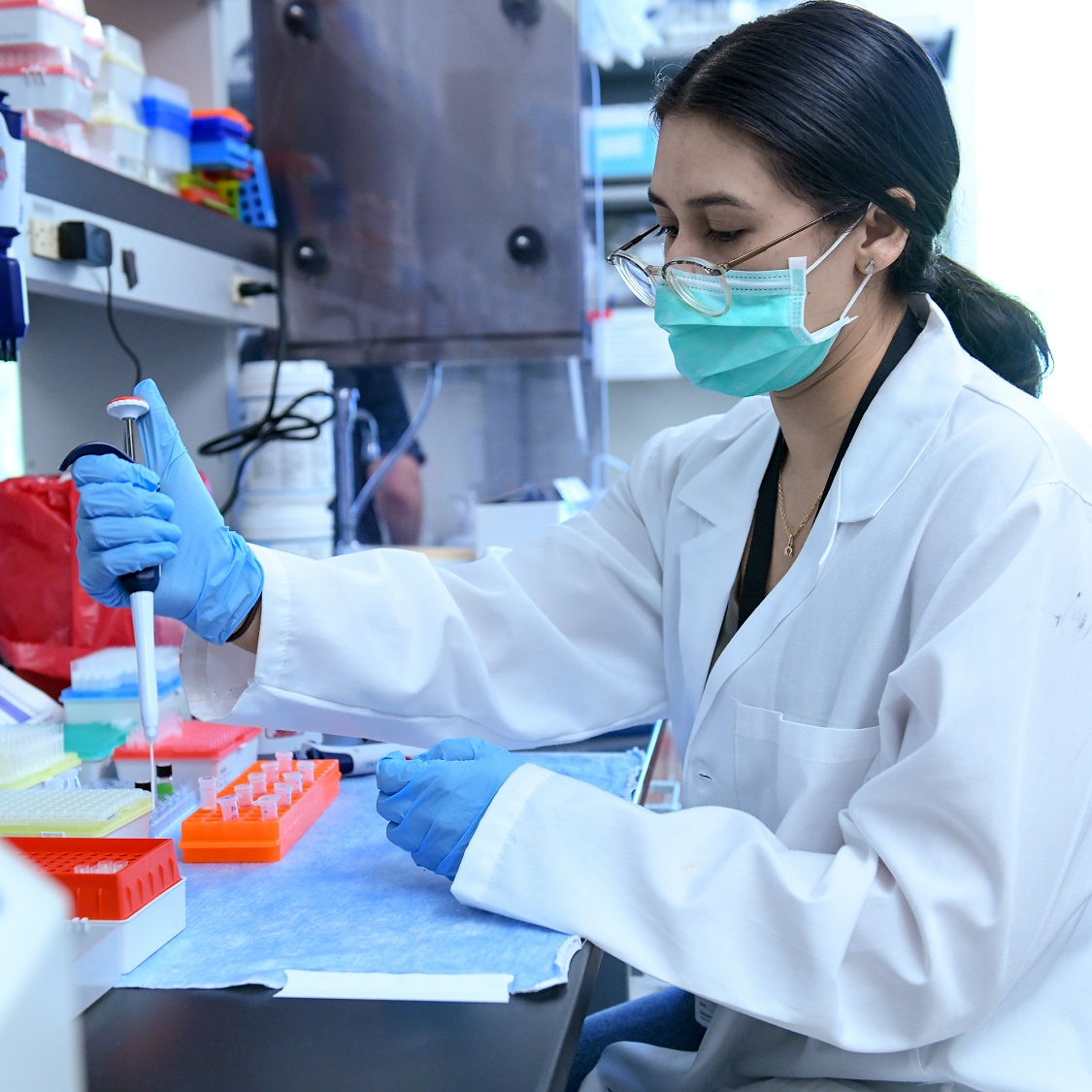
How Hackensack Meridian Health Keeps Pace with COVID-19 Twists and Turns
Get an inside look at how the Center for Discovery and Innovation tracks the twists and turns of COVID and its emerging variants and mutations.
Just Had COVID? Here’s When to Get the Booster
COVID-19 Booster Timing: Get expert advice from Dr. Frank on when to get your booster after infection. Schedule your booster today!
What Does Endemic Mean?
Understand endemic vs. pandemic COVID-19. Dr. Zuckerman explains what to expect. Learn key differences and next steps for your health. Call 800-822-8905.
Can COVID-19 Cause Hair Loss?
COVID-19 causing hair loss? Learn about this common post-COVID symptom from Drs. Shammash and Young. Get expert advice and resources for recovery. Call 8002-822-8905.