

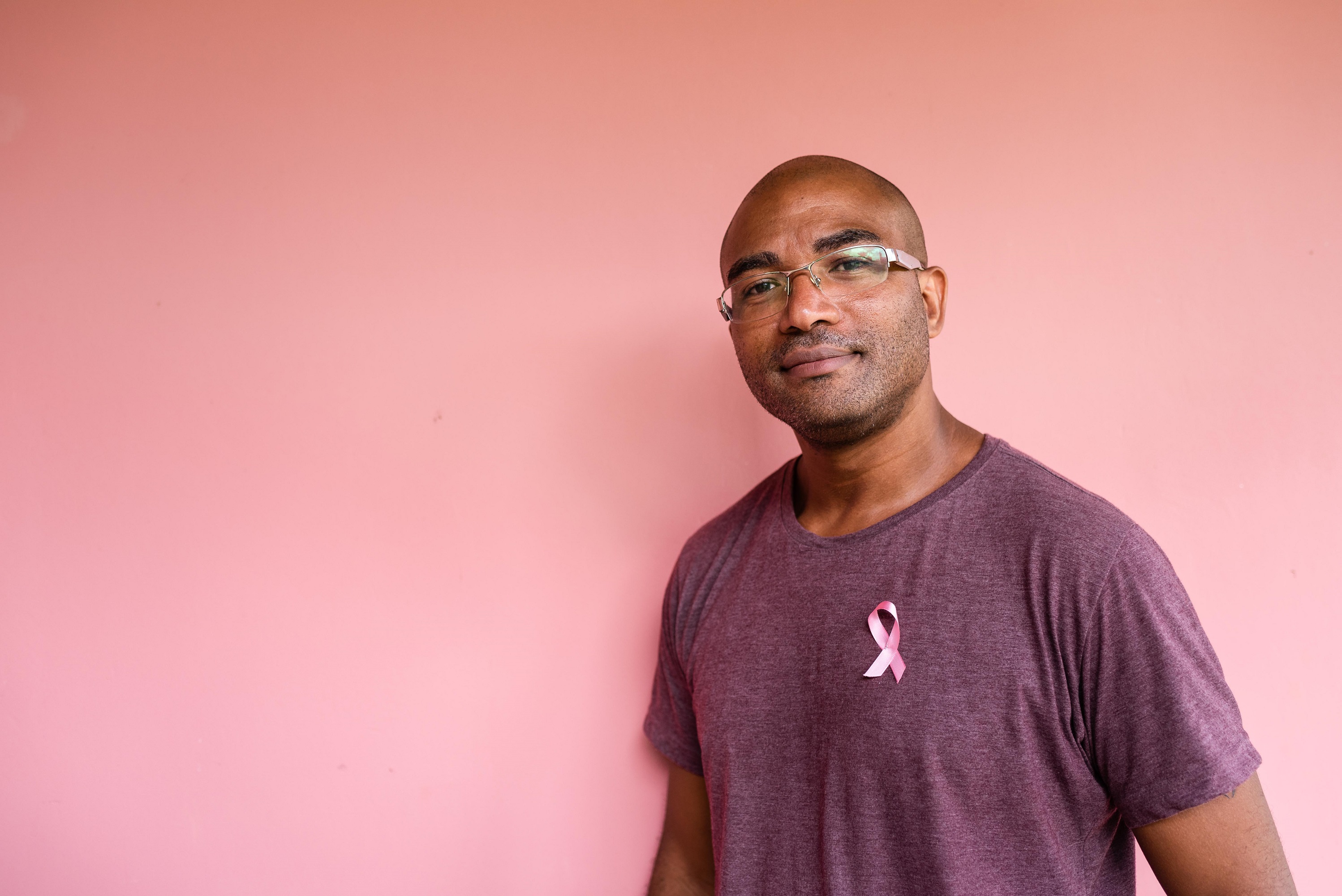
Cancer can develop in nearly any part of the body, in men or women, at any age. It is a common misconception that, because breast cancer most frequently occurs in women, men are not susceptible to the disease. Men have smaller nipples and rudimentary ducts that can develop breast cancer.
“Although it is less likely for a man to develop breast cancer than a woman, it does happen. We see about two to three cases of breast cancer in men every few years,” says Harriet Borofsky, M.D., breast imaging specialist at Bayshore Medical Center and Riverview Medical Center. “Awareness of any changes and a proactive approach to risk assessment are important, because, as with any disease, the key to increased options and successful treatment is early diagnosis.”
Symptoms of Breast Cancer in Men
The most common signs and symptoms of breast cancer in men include:
- Lumps or thickening of the breast tissue, with or without the presence of pain
- Discharge from the nipple
- Nipple changes, such as swelling, redness or the development of scales
- Nipple retraction (inward turning nipples)
- Changes in breast skin, such as dimpling or puckering
“If you are experiencing any of these conditions, you should seek the guidance of your doctor as soon as possible,” says Dr. Borofsky.
Types of Breast Cancer in Men
The majority of types of breast cancers diagnosed in men are similar to those found in women. But the frequency of occurrence makes the difference.
The most commonly diagnosed breast cancers in men include:
Invasive ductal Carcinoma: This type of cancer begins in the milk ducts and if untreated can spread in the breast and to lymph nodes and other parts of the body. Invasive ductal carcinoma accounts for 85% of breast cancers in men.
Invasive Lobular Carcinoma: Cancer cells begin developing and spread from the lobules, the gland that produces milk. This type of breast cancer is extremely rare in men due to their absence of lobular development and can be associated with an inherited predisposition.
Additional types of male breast cancers are less frequently diagnosed, including inflammatory breast cancer and ductal carcinoma in situ––characterized by the formation of cancerous cells occurring only within the lining of the milk ducts.
What are the Risk Factors?
- Age: The risk for breast cancer in men increases with age; most diagnoses occur after age 50.
- Overweight and obesity: Men who are overweight or obese are more likely to develop breast cancer than men within a normal weight range.
- Family history: If a first-degree relative has had breast cancer or certain hereditary genetic mutations, there is a greater chance of developing the disease.
- Liver disease: Cirrhosis (scarring) of the liver can lower male hormones and increase the presence of female hormones––increasing the likelihood of a male developing breast cancer.
- Testicle disease or surgery: Inflammation or the surgical removal of the testes can increase the risk of male breast cancer because of subsequent hormonal changes.
- Klinefelter’s syndrome: This rare genetic syndrome causes the presence of an extra X chromosome in male genealogy, resulting in abnormal development of the testicles. This negatively affects hormone production, causes higher levels of estrogen and lowers male hormonal androgens.
“If any of these risk factors apply to you, talk with your doctor about how you can lower your risk or if genetic testing may be right for you to better assess your risk level,” says Dr. Borofsky.
Next Steps & Resources:
- Meet our source: Harriet Borofsky, M.D.
- To make an appointment with Dr. Borofsky or a physician near you, call 800-822-8905 or visit our website.
- Learn more about breast cancer care at Hackensack Meridian Health
Find a doctor near me

When to Have Surgery After Breast Cancer Diagnosis
Learn about the options for surgery after a breast cancer diagnosis, including breast-conserving surgery and mastectomy, and which type is right for which women.
Things to Know About Prostate Cancer
There's no denying the importance of taking our health seriously and staying proactive about the health risks that impact us as we age.

What Cancers Can Be Caused By HPV?
Learn about HPV-related cancers. Understand risks & prevention. Protect your health. Schedule a checkup today.

What to Expect After Prostate Removal
Recover from prostate removal. Learn what to expect from Dr. Fam, including recovery time, sexual health changes, and bladder issues. Get support.