

As the holiday season ramps up, we finally seem to have some good news, after several years fraught with fears of contagion. COVID is not the intense concern it once was.
“Severity of illness is down, and hospitalization is markedly lower,” says Edward Liu, M.D., an infectious disease specialist with Hackensack Meridian Health Medical Group. “However, it could be a serious flu season and covid could start to go up again during this winter.”
So while it feels safer than recent years past, it is important to continue practices to stay safe and healthy. Here are a few tips to help you navigate the most wonderful time of year.
Tip #1: Stay up to Date on Vaccinations
Before you gather this holiday season, make sure you are up to date on all your vaccinations. “It’s best to have your last COVID booster within six months,” Dr. Liu says. “Boosters work, but they do start to wane particularly in older people after six months.” The new Bivalent Covid vaccine will provide enhanced protection against current Omicron strains of Covid. As per CDC, it can be given after 2 months after the last booster or primary vaccine.
An annual flu shot can help protect you from the influenza virus, and it’s important to receive any other necessary vaccinations depending on your holiday destination plans.
Tip #2: Stay Informed
If you are traveling this holiday season, it’s important to stay on top of your destination’s status. While the Centers for Disease and Control Prevention recently suspended its country-specific COVID-19 travel advisories, the organization will continue to make destination updates regarding COVID-19 as needed.
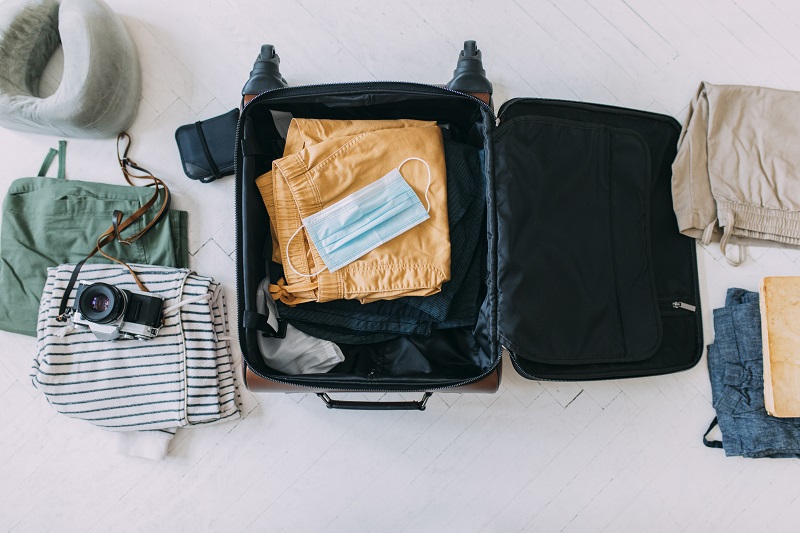
Tip #3: Keep a Mask Handy
While mask requirements are now relaxed, you do need to remain cautious, especially when in close contact with others. “For people who are traveling for hours on a plane or train, it’s better to mask up,” Dr. Liu says. He also recommends wearing a mask when indoors and in close contact with seniors or immunocompromised family members.
Tip #4: Keep COVID-19 Tests on Hand
Tests are readily available these days, so it’s a good idea to pack a few kits if you are traveling. If you start to have the sniffles, you can test and be reassured without putting everyone at risk.
Tip #5: Wash Your Hands
This one should be a well-established habit, but washing your hands frequently will significantly reduce your risk of bringing home any unwanted holiday presents this year.
Tip #6: Be Watchful for Symptoms
If you start to feel unwell after you return home from a trip or a gathering, test for COVID-19. Currently, the most common symptoms are sore throat, nasal drainage, headaches and sinus pain. You may also need to serial test over the course of a few days to be sure you are truly negative.
In the meantime, curtail your activity, and if you are feeling increasingly worse, call your doctor. “It’s certainly reasonable to be extra careful and not ruin your holiday or get someone you love sick,” Dr. Liu says.
Next Steps & Resources:
- Meet our source: Edward Liu, M.D.
- To make an appointment with a primary care doctor near you, call 800-822-8905 or visit our website.
Find a doctor near me
How Quickly Can You Get COVID After Exposure?
COVID-19 exposure: Understand incubation period & testing. Dr. Cicogna explains how long it takes to show symptoms and when to test. Get expert advice.
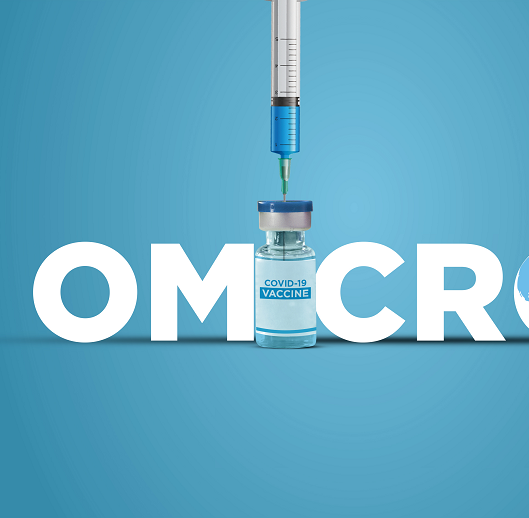
Understanding the New “Omicron” Boosters: Do I Need One?
New COVID-19 boosters are available that target the Omicron variant. Learn more about how the vaccine works, and who should get one.
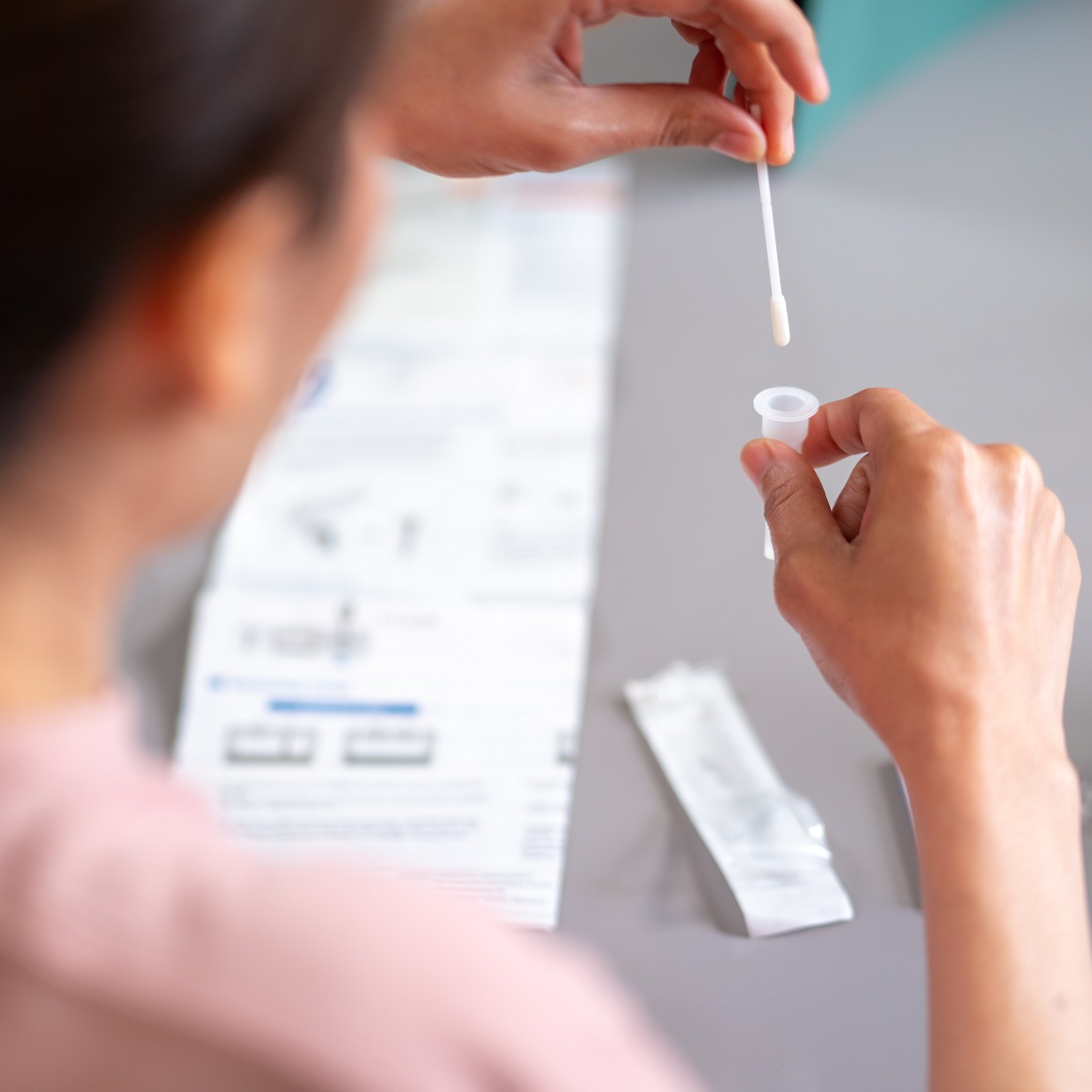
How Accurate Are At-home COVID Tests?
Learn about at-home COVID test accuracy. Dr. Fleischman explains test types, results, and interpretation. Get quick results & guidance. Call 800-822-8905.
Are You Experiencing Allergies or a Cold?
Allergic or cold symptoms? Learn how to tell the difference from Drs. Cai, Lee, & Mezic. Find relief; call 800-822-8905.