

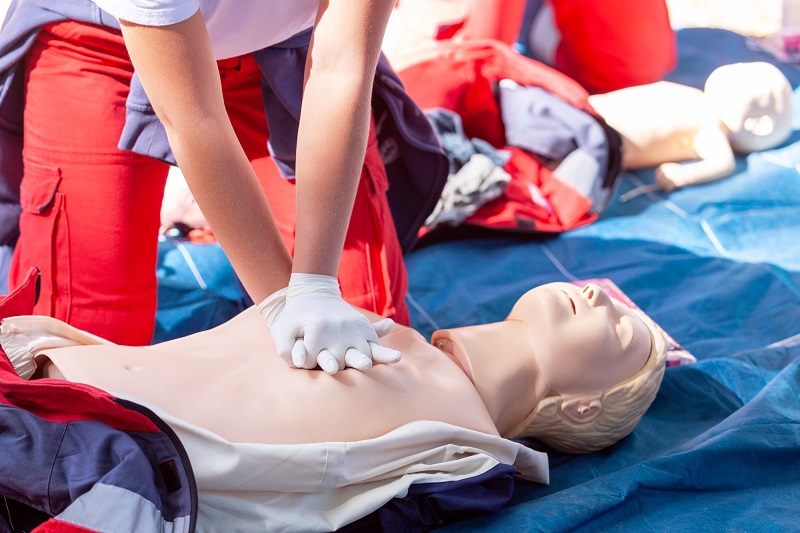
CPR—or cardiopulmonary resuscitation—is a fundamental part of basic first-aid training. Luckily, the average person doesn’t need to use it in their everyday routine, but knowing CPR can save lives.
What Is CPR?
CPR is a lifesaving technique that can be used when someone’s breathing or heartbeat has stopped. “It helps keep oxygen-rich blood flowing to vital organs until medical treatment can restore the heart pumping,” says cardiologist Aaron Feingold, M.D. “A lack of oxygen to the brain can cause damage in a matter of minutes.”
To learn CPR correctly, you should take an accredited course. However, even untrained individuals can help in emergency situations.
Hands-only CPR
There are actually two versions of CPR. The first version is for health care providers and those who are professionally trained. This method uses chest compressions and mouth-to-mouth breathing. This is generally performed at 30 compressions to two breaths ratio.
The second version is for the general public or bystanders: hands-only CPR.
According to the American Heart Association, approximately 90 percent of people who suffer a cardiac arrest outside a hospital setting die. But CPR, especially if administered immediately, can significantly improve the victim’s chance of survival. And hands-only CPR has been shown to be as effective within the first few minutes as normal CPR.
5 Steps to Remember CPR
- Check for safety: Before starting CPR, you need to check the environment to see if it’s safe for the person and yourself.
- Check for responsiveness: If the person is not responsive, check their breathing. Attempt to wake the person by tapping their shoulder and asking loudly if they are OK.
- Call 911: If the person doesn’t respond and is having difficulty breathing or is not breathing, call 911 immediately.
- Get the person in position: Place the person on their back on a firm and flat surface.
- Apply chest compressions: Put the heel of one hand in the center of the person’s chest and the other hand on top. Push hard and fast at 100–120 beats per minute. “Try doing compressions to the beat of a song such as ‘Stayin’ Alive,’ ‘Walk the Line’ or ‘Hips Don’t Lie’,” says Dr. Feingold.
“Hopefully, you will never find yourself in a situation where CPR is needed, but it can save lives,” says Dr. Feingold. “While it’s best to take a certified course, in the heat of the moment, it’s better to do something than nothing.”
Next Steps & Resources:
- Meet our source: Aaron Feingold, M.D.
- To make an appointment with Dr. Feingold or a cardiologist near you, call 800-822-8905 or visit our website.
Find a doctor near me
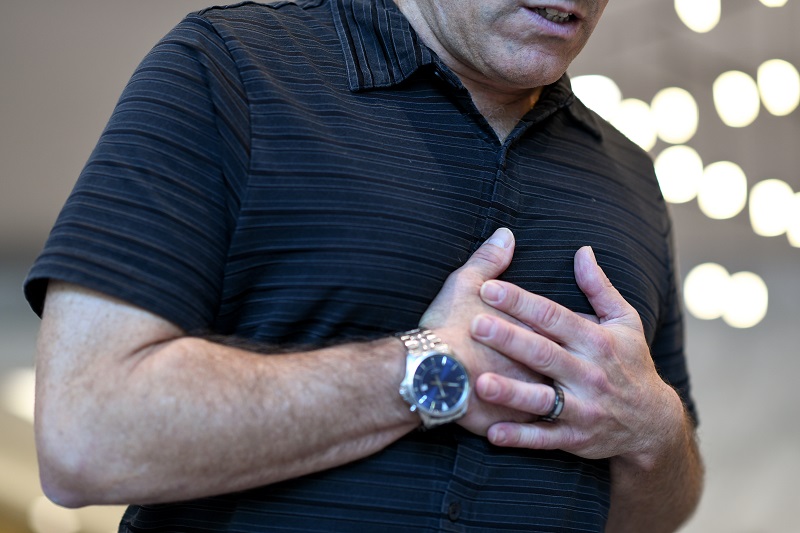
6 Signs of an Unhealthy Heart
Recognize 6 unhealthy heart signs? Learn from cardiologists Khanna & Negusei. Get heart care screenings & appointments. Call 800-822-8905.
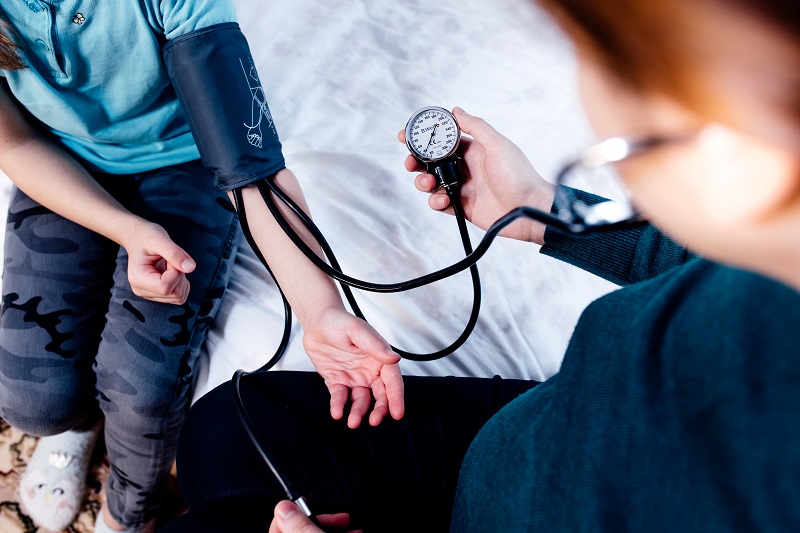
Can Children Have High Blood Pressure?
Learn about childhood high blood pressure. Dr. Hidalgo explains risks, diagnosis, and treatment. Protect your child's heart health. Call 800-822-8905.

What Is Broken Heart Syndrome?
Understand broken heart syndrome? Learn about causes, symptoms, and diagnosis from Jersey Shore University Medical Center's Dr. Saybolt. Call 800-822-8905.
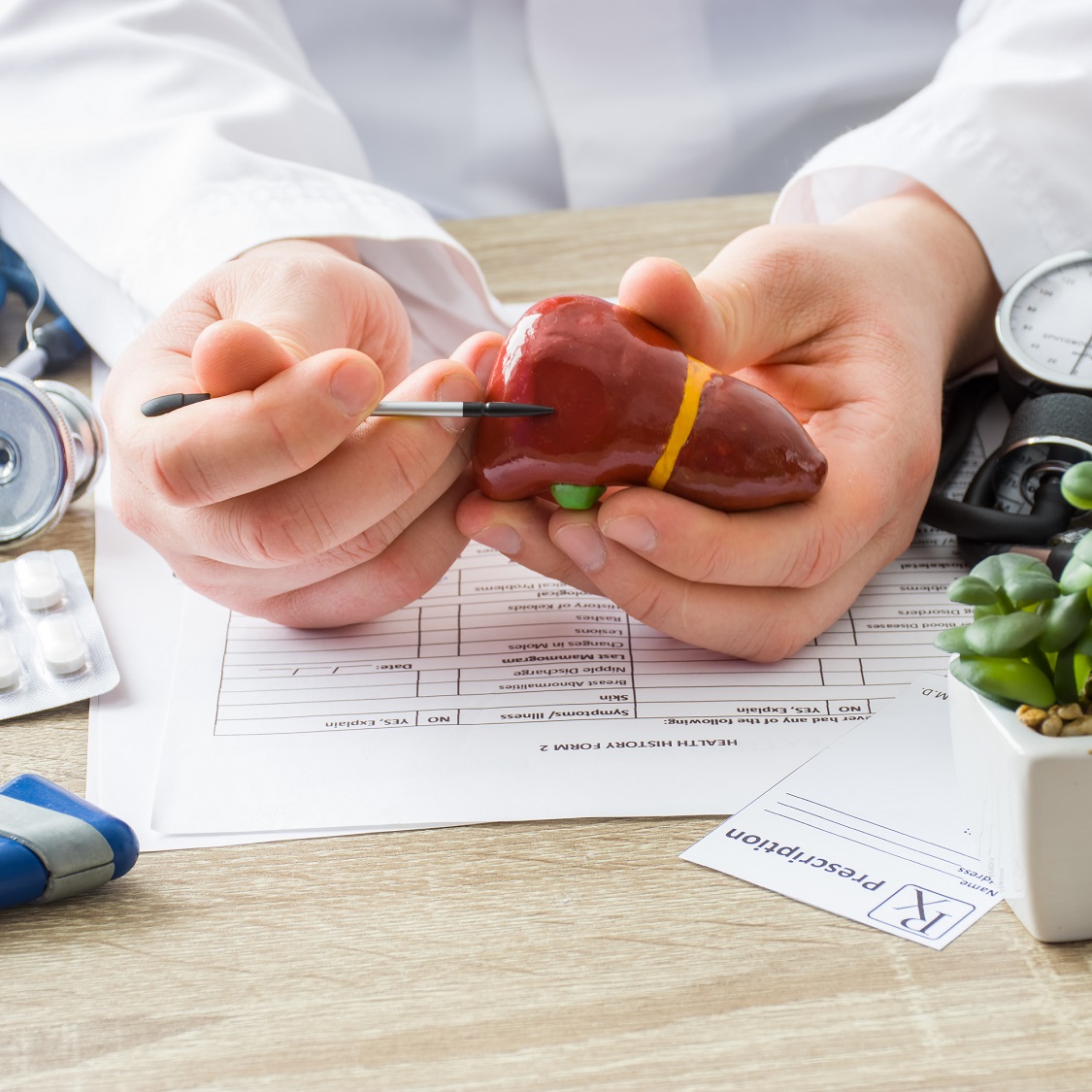
Non-Alcohol Related Liver Disease Ups Heart Disease Risk
One in four adults has a silent liver disorder that harms the heart. Here’s what you should know.