

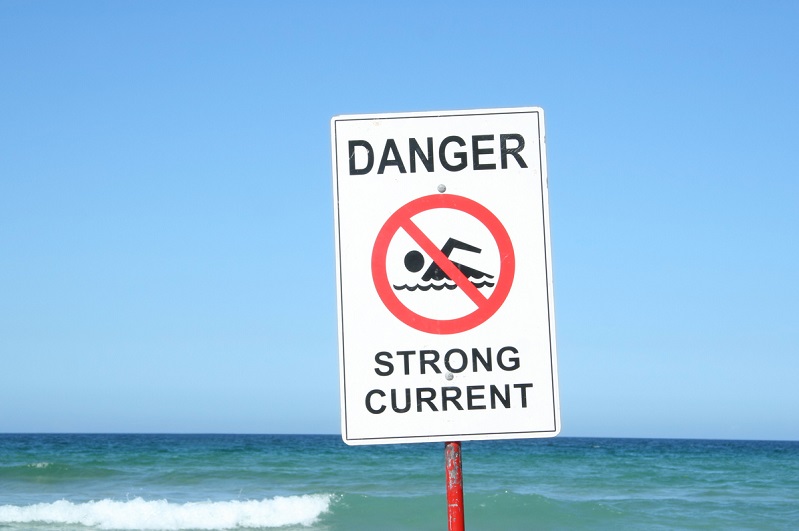
In the heat of summer, it's important to raise awareness about beach safety. So far this year there have been multiple drownings at beaches in New Jersey due to rip currents.
To ensure a safe and enjoyable summer at the shore, pulmonologist, critical care specialist and lifeguard, Eric Costanzo, M.D., shares some essential tips to help you stay safe in the water.
Dr. Costanzo often sees patients who arrive at the hospital after aspirating saltwater – this occurs when water is inhaled into an individual’s lungs and has serious health risks.
- Learn to swim:
“It’s important to know how to swim before venturing into the ocean,” says Dr. Costanzo. “If you can't swim an overhand stroke for at least 15 minutes, it's best to think twice about entering the water.”
Taking swimming lessons or improving your swimming skills can greatly enhance your safety at the beach.
- Never swim alone:
Swimming with a buddy is crucial to ensure mutual support and immediate assistance if needed. Having someone by your side significantly reduces the risks associated with swimming, especially in the presence of rip currents.
- Swim near a lifeguard:
Dr. Costanzo urges beachgoers to always swim in areas supervised by lifeguards.
“These trained professionals are equipped to identify potential dangers, provide assistance, and respond quickly in case of emergencies,” Dr. Costanzo says. “Avoid swimming after hours when lifeguards are not on duty, as it significantly increases the risk of accidents.”
- Stay informed:
Check the rip currents and surf zone forecasts before you get to the beach or go near the water.
Also, make it a habit to check with the lifeguards about any potential hazards, including rip currents or other unsafe conditions. Their expert advice can guide you in making informed decisions and choosing the safest areas for swimming.
- Avoid risky behaviors:
Dr. Costanzo also advises against engaging in risky behaviors that can lead to injuries.- Never dive or jump from piers or jetties, as the water may be shallow or rocks hidden beneath the surface, posing severe risks.
- Avoid running into the ocean and diving into waves, as it can result in neck injuries.
- Do not enter the water if alcohol or drugs have been consumed. The CDC notes that alcohol use is involved in up to 70% of water related deaths like swimming or boating.
What to Do If You’re Caught in a Rip Current
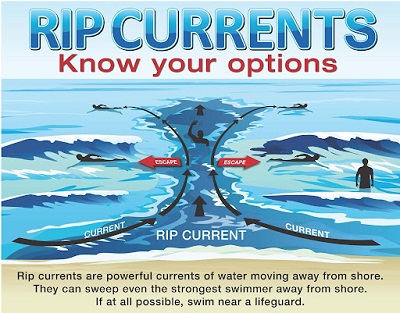
Graphic from the National Weather Service
If you find yourself caught in a rip current, it's crucial not to panic.
- Don’t fight it: Fighting against the current can exhaust you and increase the risk of drowning.
- Call for help: Instead, signal for help by waving your arms.
- Swim parallel to the shoreline: Swim parallel to the shore, following the direction of the current until you're out of its pull. Once free, you can swim back to the shore at an angle.
If you are conscious of water activity and selective about where you swim, you can have a safe summer at the shore — stay informed, be cautious, and enjoy the beach.
Next Steps & Resources:
- Meet our source: Eric Costanzo, M.D.
- To make an appointment with a physician near you, call 800-822-8905 or visit our website.
Find a doctor near me

8 Truths About Drowning and ‘Dry Drowning’ Revealed
As if drowning dangers aren’t terrifying enough, parents now have compounded anxieties to cope with after recent reports of ‘dry drowning’ have shown individuals—mostly children—appearing to drown days or weeks after water exposure. Learn more.

Does IV Hydration Cure Hangovers?
IV Hydration for Hangovers? Dr. Ignacio explains why IV fluids aren't a cure. Learn effective hangover remedies & get expert advice. Call 848-308-4911.

Lone Star Tick Can Cause a Lifelong Allergy to Red Meat
There’s been an uptick in cases across the country of people being bitten by the lone star tick.
How to Treat Common Stings
Treat common stings effectively. Learn how Dr. Dontineni advises treating bee, spider, ant, and other bites. Get expert advice and resources. Call 800-822-8905.