

Updated October 1, 2025
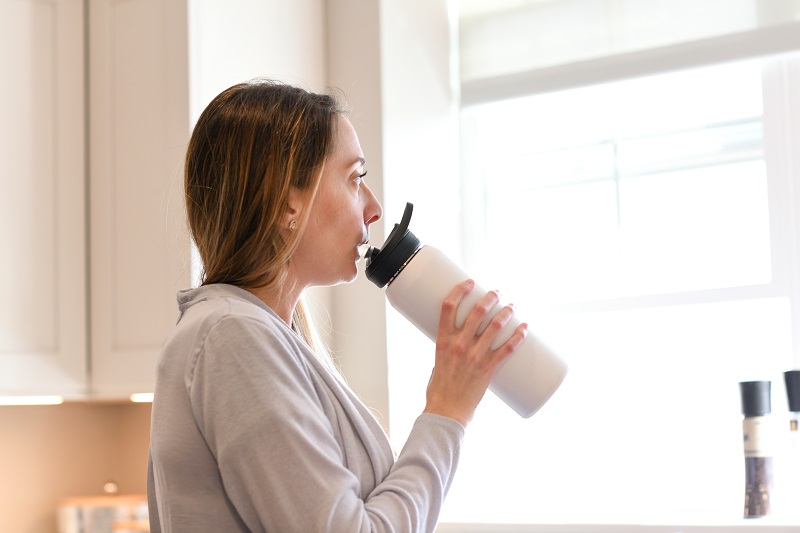
Water, the elixir of life, quenches our thirst and refreshes us. The water itself is good for us — our bodies crave and need it. But have you ever thought about the container it comes in? Could the container not only negate the nutrition we get from water but also cause us harm?
Plastic water bottles have become ubiquitous in our daily lives. Sure, they're convenient, but over 60 million plastic bottles end up in landfills and oceans every day in the United States. What many people don't realize (or care about) is that these bottles come with a hidden cost to our health and the environment.
The Downside to Plastic
Plastic water bottles are convenient, but they pose some serious health risks. Many plastics contain harmful chemicals like BPA (bisphenol A) and phthalates, which can leach into the water, especially when exposed to heat or sunlight.
“We don’t know where those plastic water bottles sat before they reached the grocery store or vending machine,” says Kyle Tafuri, vice president of sustainability at Hackensack Meridian Health. “They could’ve been sitting out in the hot sun, leaching chemicals into the water for hours or days.”
These chemicals are linked to a myriad of health issues, including hormone disruption, reproductive problems and even cancer. So, while you may be hydrating your body, you could also be unknowingly exposing yourself to harmful toxins.
There’s also the issue of microplastics and nanoplastics entering our bodies. In a recent study, researchers found surprising amounts of tiny plastic particles, called nanoplastics, in bottled water. These particles are so small that researchers can’t see them without special technology.
One liter of water, which is about two plastic bottles' worth, can have around 240,000 plastic pieces. When we drink water from plastic bottles, those particles can enter our bodies and spread harmful chemicals. This is especially dangerous for pregnant women and young children since the particles can go through the placental barrier, impacting fetal development.
The Healthiest Water Bottle Material: Stainless Steel
It’s clear that we should avoid plastic water bottles whenever possible. But what’s the alternative?
Stainless steel is the gold standard water bottle material for several reasons. It’s:
- Durable and able to withstand drops, dings, and even the occasional tumble down the stairs (we've all been there)
- Non-reactive, so you won't have to worry about funky tastes or odors leaching into your water
- Easy to clean and maintain, requiring nothing more than a good scrub with soap and water to keep it sparkling clean
Stainless steel water bottles are generally affordable and widely available, with options to fit different budgets. You can find them in most department stores, online marketplaces and even grocery stores. When choosing between different stainless steel water bottle options, look for ones made from food-grade stainless steel, preferably 18/8 or 18/10 stainless steel, which indicates high quality and durability.
When it comes to brands, most are safe to use. Check for certifications like FDA approval or NSF certification for added assurance.
"And it might be common knowledge, but make sure to wash your stainless steel water bottles," says Tafuri. “Regular washing with soap and water helps prevent bacterial build-up and keeps your water bottle clean and safe to use.”
What happens if you don't wash your stainless steel water bottle regularly? Bacteria will build up in places where moisture lingers, like around the mouthpiece or inside the bottle. Over time, this leads to the formation of biofilm, a slimy layer where bacteria thrive. When you drink from a dirty water bottle, the bacteria not only make your water taste funky, but they can also enter your body and make you sick. Major ick.
To properly clean a reusable water bottle, follow these steps:
- Take apart any removable parts, such as the lid and straw.
- Wash all components thoroughly with hot, soapy water, using a bottle brush to reach into crevices and the interior of the bottle.
- Rinse everything well with clean water and allow it to air dry completely before reassembling.
- For the straw, consider using a specialized straw brush to ensure a thorough cleaning.
Make Smart Choices When Drinking Water
Plastic water bottles are everywhere. You might think exposure to toxins from plastic water bottles is inevitable. In a world inundated with plastic, you have the power to make mindful choices. By ditching disposable plastic water bottles in favor of stainless steel, you're safeguarding your well-being and taking a stand for a cleaner, greener future.
It’s all about being proactive. The next time you reach for some water, remember to sip smart and choose the healthiest material to drink from – stainless steel.
Next Steps & Resources
- Meet our source: Kyle Tafuri, Vice President of Sustainability
- To make an appointment with a doctor near you, call 800-822-8905 or visit our website.
- Learn more about exposure to plastic particles.
- VIDEO: These Common Kitchen Items Are a Microplastic Source
Find a doctor near me

Air Quality & Your Health: Understanding the Risks and Safety Tips
Learn about the risks of exposure to poor air quality, signs of overexposure, treatment options, and essential tips to stay safe during times of compromised air quality.
Should You Skip Gel Manicures?
Reduce gel manicure skin cancer risk. Learn safe alternatives & tips from Dr. Alexis Young. Protect your hands today.

8 Common Cancers in Young Adults
Learn about 8 common cancers in young adults. Dr. Goy offers insights and advice on prevention and early detection. Schedule an appointment today.
Do Parabens Cause Cancer?
Do Parabens Cause Cancer? Dr. Borofsky explains paraben risks and breast cancer screenings. Learn more and schedule your appointment today.