

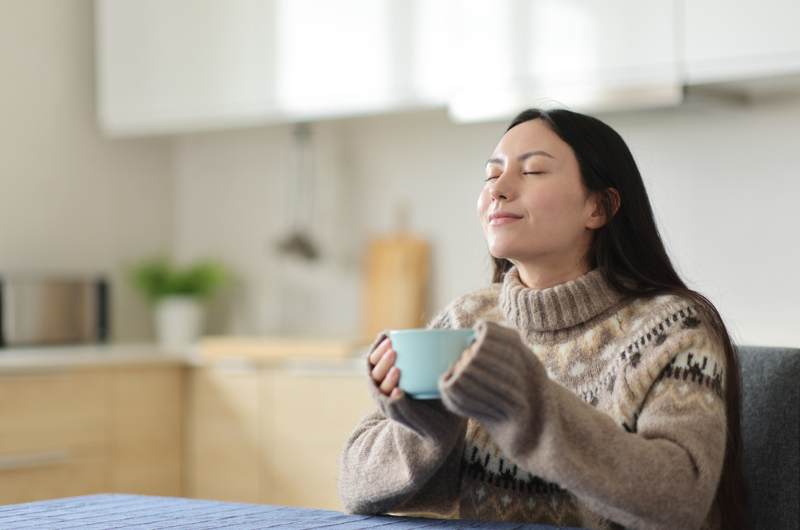
Check your email. Return that urgent text. Then, sit in traffic for an hour on the way home. These everyday tasks are enough to make anyone feel stressed. To cope, Hackensack Meridian JFK Johnson Rehabilitation Institute physiatrist Roger Rossi, D.O., invites you to take a deep breath and enjoy the timeless benefits of meditation.
Experts think people have been meditating since 5,000 B.C. Some people call meditation “mindfulness.” Dr. Rossi promotes meditation for anyone who is “hyper-stimulated” and needs help reducing stress.
“Mindfulness is usually thought of as focused attention, purposeful thought or concentration on an object,” Dr. Rossi says. “In traditional Buddhist meditation, we clear the mind of everything and focus on breathing, perhaps repeating a word or sound.”
Benefits of Meditation
Dr. Rossi says studies in the last 20-30 years have shown how meditation improves the brain’s ability to adapt. “Meditation may ‘rewire’ the brain,” he says.
That benefit is especially helpful for patients with Parkinson’s disease, the second most common neurodegenerative disorder. Recent research found that meditation may be a good addition to traditional treatments for these patients. Dr. Rossi explains that meditation can improve thinking and memory. It can also trigger brain cells that make us feel calm and relaxed, he adds.
Research has shown meditation can have many physical, mental and emotional mood benefits, such as:
- Improved attention and emotional control
- Lower heart rate and blood pressure
- Milder symptoms of depression, anxiety and post-traumatic stress disorder
- Reduced pain and inflammation
- Better sleep and movement
How to Start Meditating
Getting started is as easy as finding a quiet place to sit. Follow these steps to begin your meditation practice:
- Sit in a quiet, calm, comfortable place.
- Set a timer. If this is your first time meditating, keep it brief. Try five to 10 minutes.
- Notice the parts of your body, starting with the top of your head or the bottoms of your feet. Think about your feet touching the floor or your chest moving with your breath.
- If your mind wanders, take note, but forgive yourself and gently regain your focus.
- Slowly end your meditation by returning your attention to the world around you.
Dr. Rossi says it may feel “different” at first, but stick with meditation, and you’ll reap the rewards. Meditation may also promote more feelings of kindness, generosity and thankfulness.
“It’s OK to disconnect, and you have to start somewhere. Try to meditate for five minutes,” Dr. Rossi says. “You have the control, and this may help you as much as some medicines. Ask yourself, ‘What’s good for me?’ and then think, ‘I’m going to do this just for me.”
Next Steps & Resources:
- Meet our source: Roger Rossi, D.O.
- Make an appointment with a physiatrist near you, or call 800-822-8905.
- Learn more about rehabilitation at Hackensack Meridian Health.
Find a doctor near me
How to Use Nervous System Regulation Exercises to Reclaim Your Calm
Anxious or agitated more often than not? Learn if your nervous system is out of whack and how certain exercises can help you feel calm and focused.
Coping with Chronic Pain: 5 Tips for Relief
Find chronic pain relief. Dr. Mizrahi offers 5 tips for managing pain. Learn more and find a specialist.
Coping With Stress When World Events Feel Overwhelming
Trauma can affect our mental health even when experienced secondhand through the news. A psychiatrist offers tips to cope.
Quiz: Boost Your Brain Health
Boost your brain health! Take our quiz to learn how to improve memory and learning. Get tips now.