

The U.S. Centers for Disease Control and Prevention recently updated its recommendations regarding childhood vaccines. Our pediatric expert breaks down the changes and what they mean for your child.
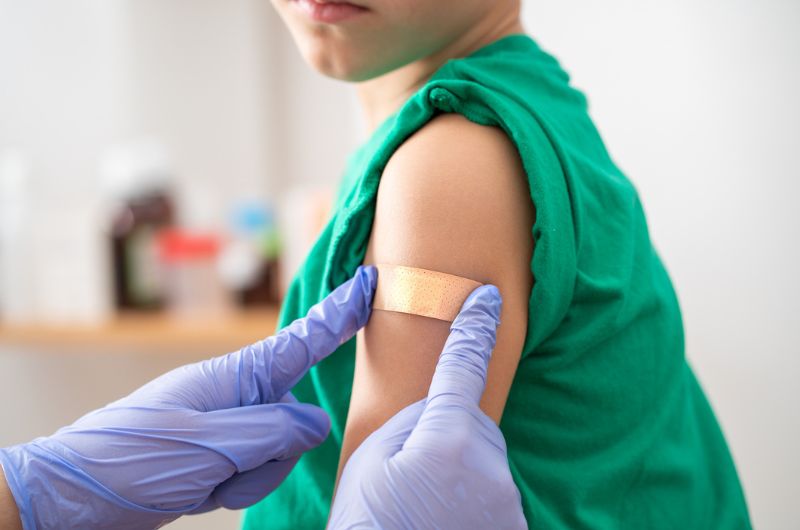
In January 2026, the U.S. Centers for Disease Control and Prevention (CDC) updated its guidance regarding childhood vaccines. The new vaccine schedule reduces the number of recommended vaccines and divides them into several new categories.
Hackensack Meridian Health, like many health care organizations, continues to follow the immunization schedule recommended by the American Academy of Pediatrics, which is based on decades of scientific research. This schedule has consistently shown that the recommended vaccines are safe, effective and crucial for saving lives.
We know that many parents have questions about the new vaccine schedule. Sondra Nemetski, M.D., a pediatric emergency medicine physician at Hackensack University Medical Center, the #1 adult and children’s hospital in New Jersey, answers some of the top questions parents are asking about changes to the childhood vaccine schedule.
What Are the Childhood Vaccine Categories?
The new vaccine schedule reduces the number of diseases covered by recommended childhood vaccines from 17 to 11. The CDC also broke the vaccines into three main categories:
- Universally recommended vaccines that all children should receive
- Vaccines for children at high risk
- Vaccines that should be administered after shared clinical decision-making (after parents discuss the risks and benefits with their doctor)
What is the Updated Childhood Vaccine Schedule?
Your child can still receive the vaccines removed from the universally recommended list. In fact, Dr. Nemetski says most doctors still recommend all vaccines that were once universally recommended. The AAP maintains its own recommendations, which continue to advise immunization against 18 diseases. These recommendations are rooted in science and thus considered to be in the best interest of children’s health in the United States.
“Vaccines prevent illnesses that are associated with high rates of severe morbidity and mortality, even for otherwise healthy children. It’s not always obvious how likely a child is to be exposed to certain diseases, and we do not want to risk a child being vulnerable to these potentially fatal or life-altering infections if they are unexpectedly exposed,” she says.
Vaccines still universally recommended:
- MMR (measles, mumps and rubella)
- Polio
- Chickenpox
- DTaP (diphtheria, tetanus and pertussis)
- TDaP (tetanus, diphtheria and acellular pertussis or whooping cough)
- Hib (haemophilus influenzae type b)
- PCV (pneumonia, meningitis and bloodstream infections)
- HPV (human papillomavirus)
Vaccines recommended for those at high risk:
- Hepatitis A
- Hepatitis B
- Meningitis
- RSV (Respiratory syncytial virus for lower respiratory tract diseases)
- Dengue (immunity against dengue fever)
Vaccines recommended after shared clinical decision-making:
- Hepatitis A
- Hepatitis B
- Meningitis
- RSV
- Rotavirus
- COVID-19
- Flu
Why Were the Changes to the Vaccine Schedule Made?
The CDC’s recent adjustments to the childhood vaccine schedule were not driven by new scientific discoveries. Instead, the changes, which include the removal of routine recommendations for vaccines like hepatitis A and B, rotavirus, influenza and meningococcal disease, were made to align with the vaccination schedules of other countries with similar income levels.
“The current CDC leadership chose not to recommend some vaccines because they felt American children were at less risk of developing certain illnesses, not because those vaccines are unsafe or not effective,” she says.
It’s important to note that the Centers for Disease Control and Prevention (CDC) is the United States' national public health agency, a federal entity operating under the Department of Health and Human Services to protect public health. In contrast, the American Academy of Pediatrics (AAP) is a professional organization for pediatricians, founded in 1930, that sets standards for children's health and provides resources for its 67,000 members.
Can My Child Still Receive Vaccines Removed From the Schedule?
Yes, your child can and should still receive the vaccines that are no longer universally recommended by the CDC. The AAP and the majority of pediatricians continue to strongly recommend all the vaccines that were part of the previous, long standing schedule.
Pediatricians remain a trusted source of guidance and will continue to advocate for the vaccination schedule that best protects children from preventable diseases.
Will insurance still cover vaccines that were removed from the schedule?
Yes, vaccines removed from the schedule's universally recommended category will still be covered. Your insurance coverage for immunizations through private plans, Medicaid, CHIP, and various federal vaccine programs is not affected by these changes.
Are school vaccine requirements changing?
The New Jersey Department of Health is not adopting the CDC's proposed new schedule and continues to follow the recommendations of the American Academy of Pediatrics. Therefore, there is no change to the current list of vaccines required for school entry in New Jersey.
Should I Continue the Series if My Child Has Already Started?
Dr. Nemetski says that while it’s generally best to complete any vaccine series you started, you should discuss what’s best for your child with your pediatrician.
Who Should I Talk to If I Have Questions About Childhood Vaccines?
Many parents may find the changes concerning or confusing, which is understandable. For additional information and answers to common questions concerning childhood vaccines, we encourage you to visit our Children’s Vaccine page. You can also make an appointment with your pediatrician to discuss your child’s specific health needs.
Next Steps & Resources
- Meet our experts: Sondra Nemetski, M.D.
- Make an appointment online with a pediatrician near you, or call 800-822-8905.
- Learn more about children’s health at Hackensack Meridian Health.
Find a doctor near me

Understanding Childhood Vaccines: Safety and Side Effects
Learn about vaccine ingredients, safety testing and common side effects in this comprehensive guide to childhood vaccines.

The Truth About Vaccines and Autism: Acknowledging Fears, Sharing Facts
Our pediatric experts help parents sort fact from fiction about MMR vaccines and autism and other childhood vaccine myths
The Truth Behind HPV Vaccine Myths
Learn the truth about HPV vaccines. Debunking common myths with Dr. Aragones. Protect against HPV-related cancers. Schedule an appointment today.
RSV Vaccine (Antibody Injection): Who Should Get It and Why?
A new RSV antibody injection can help reduce severe cases and hospitalization for infants and toddlers. Our expert weighs in on if this is right for your child.