

Not sure if it’s a cold, flu, COVID-19, pneumonia or something else? Take our quick winter illness quiz to compare symptoms and learn when to get tested or seek care.

Coughing, sneezing, sniffling: All can be signs you’ve caught one of the countless winter illnesses making the rounds this year. The Centers for Disease Control and Prevention (CDC) predicts a similar number of hospitalizations due to COVID-19, influenza and RSV for 2025-26 compared to last season, with a potentially higher number of COVID-19 hospitalizations and the predominance of a flu strain with more severe outcomes.
These seasonal illnesses often have similar symptoms, and it can be hard to tell whether you’re suffering from a common cold or something more serious like the flu, COVID-19, pneumonia or bronchitis — and when you should call a doctor instead of trying to manage your symptoms at home.
Common Winter Illnesses and Why They Spread
According to the CDC, cases of COVID-19, flu and RSV ramp up in the fall and are expected to peak from December to February. At the same time, the season’s cold, dry air makes it easier for bugs like the common cold and norovirus to spread, especially because we’re more likely to spend time indoors and gathering with friends and loved ones, passing along germs.
How to Prevent and Treat Winter Illnesses
There are several simple steps you can take to protect yourself from common winter illnesses:
- Wash your hands frequently with soap and warm water.
- Disinfect high-touch surfaces like doorknobs, faucets and light switches.
- Try to avoid touching your eyes, nose and mouth.
- Avoid close contact with people who are sick or have symptoms like a cough or runny nose.
- Get enough rest and don’t attempt to “power through” when you feel symptoms emerge. Our immune systems need rest so they have energy to fight off infection.
Because many winter illnesses are caused by viruses, antibiotics may not be helpful. If you do become sick, you can try managing your symptoms at home by:
- Taking over-the-counter pain relievers for fever or sore throat
- Resting
- Increasing fluid intake
- Using saline nose sprays to ease congestion
- Suppressing cough with over-the-counter cough medication
However, if symptoms do not improve with over-the-counter medications or if you are concerned your respiratory infection has progressed to pneumonia — symptoms include cough, fever, chills and shortness of breath — contact your primary care physician. A physical exam and X-rays may be required.
When to Seek Care for Winter Sickness
Whether you’re worried about cold versus flu or pneumonia, COVID-19, RSV or another respiratory illness, there are some symptoms you shouldn’t ignore. Always call your doctor or seek care if you have:
- Shortness of breath or chest pain
- High or persistent fever
- Confusion or extreme fatigue
- Worsening cough or dehydration
“If your symptoms persist and don’t seem to be improving, it’s crucial to reach out to your doctor,” says Timothy Wuu, M.D., a family medicine specialist with Hackensack Meridian Health.
Get help if your cold lasts more than 10 days or your cough lingers longer than two weeks. Those could be signs of pneumonia, bronchitis or a bacterial infection that needs treatment. Get help immediately if your symptoms worsen suddenly; if your fever is accompanied by a rash, headache, vomiting or dehydration; or if you are in a high-risk group (older adult, pregnant or have chronic illness).
Take the Quiz: What Are You Sick With (and What Should You Do)?
Not sure whether you have a cold, flu, pneumonia, COVID-19, RSV or another winter illness? Take the quiz to find out when you should call your doctor.
Next Steps & Resources:
- Meet our source: Timothy Wuu, M.D.
- Make an appointment online with a primary care doctor near you, or call 800-822-8905.
Find a doctor near me
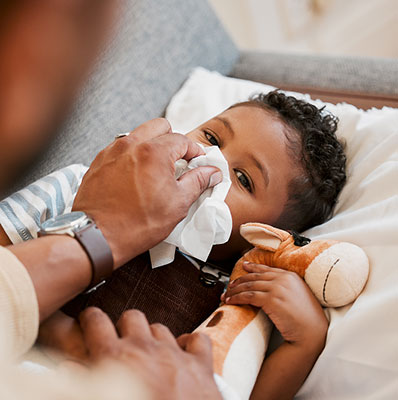
At-home Cold Remedies for Kids
Kids' cold remedies: Dr. Terrin shares at-home treatments for symptom relief. Get expert advice & resources. Call 800-822-8905.

Is It a Cold or RSV?
RSV vs. Cold? Learn how to tell the difference and when to seek medical care for your child from Dr. Rappaport. Call 800-822-8905.
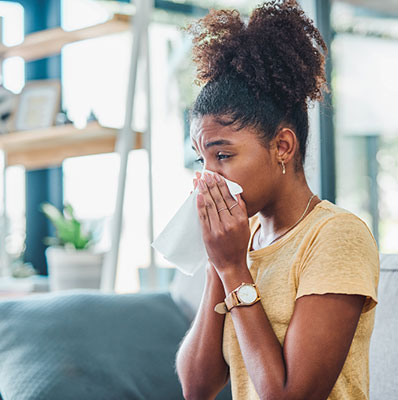
Are You Experiencing Allergies or a Cold?
Allergic or cold symptoms? Learn how to tell the difference from Drs. Cai, Lee, & Mezic. Find relief; call 800-822-8905.

Can’t stop coughing? Six common causes and when to see a doctor
Learn about common causes of coughs, from colds to GERD, RSV and croup, and discover when it’s time to contact your doctor.