

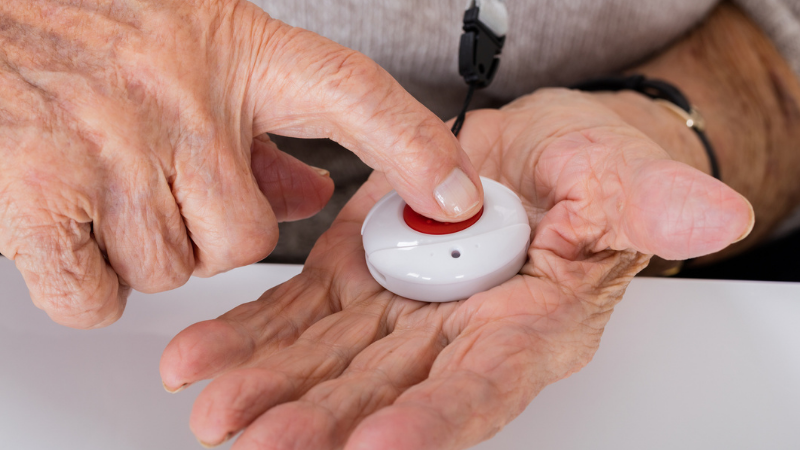
What would happen if you fell and couldn’t reach a phone?
For many older adults, that question is more than hypothetical. The U.S. Centers for Disease Control and Prevention (CDC) reports that one in four adults ages 65 and older falls each year. Not every fall causes serious injury, but being unable to call for help can quickly turn a manageable situation into an emergency.
That’s where medical alert systems can help.
With so many different devices on the market, how do you know which one is right for you or your loved one?
According to Zeeshan Khan, M.D., chief of geratric medicine at Hackensack Meridian Jersey Shore University Medical Center, the answer depends less on finding the “best” device and more on finding the best fit for your lifestyle, health needs and daily routine.
What is a Medical Alert System?
A medical alert system is a device that allows users to quickly call for help during an emergency, often with the press of a button. Many newer systems also include automatic fall detection, GPS tracking and caregiver monitoring features.
These devices can help older adults maintain independence while providing peace of mind for family members and caregivers.
What Should I Look For in a Medical Alert System?
When comparing options, Dr. Khan recommends looking at the full picture, not just how much it’ll cost.
“It’s important to look beyond just the price tag,” he says.
Here are some of the most important features to consider:
In-Home vs. Mobile Systems
Where will you be using the device?
In-home systems typically connect to a base station and work within a specific range around the home. Mobile systems use cellular networks and can provide protection almost anywhere.
“Are you an active senior?” Dr. Khan asks. “If so, a mobile system that has GPS tracking would be critical for responders to locate you anywhere.”
If you regularly go for walks, run errands or travel, a mobile device may offer greater peace of mind.
Fall Detection
Many medical alert systems now offer automatic fall detection, which can summon help even if you’re unable to press the emergency button yourself. Just remember that not all systems perform equally.
“Though many systems offer automatic fall detection, their accuracy varies,” Dr. Khan says. “If the system is too sensitive, it can lead to false alarms, while others that are less sensitive may not detect all falls.”
If fall risk is a concern, be sure to compare how fall detection works and whether there are additional costs for the feature. You can also check the product’s reviews to see how well the fall detection feature has worked for others.
Monitoring Center Quality
One of the most overlooked factors may also be the most important.
“The monitoring center is arguably the most critical component of a medical alert system,” says Dr. Khan.
When an alert is triggered, trained professionals at the monitoring center assess the situation and coordinate the appropriate response.
“Having 24/7 availability of a trained professional can provide a greater sense of security and increase confidence,” Dr. Khan explains.
Unlike systems that simply call a family member, professional monitoring centers can access important information, evaluate emergencies and dispatch emergency services when needed.
Battery Life
A medical alert device won’t help much if the battery is dead.
Some mobile devices require daily charging while others can last several days on a single charge. Choosing a device with a battery life that matches your routine can help ensure it’s always ready when you need it.
Water Resistance
Many people don’t realize that bathrooms are one of the most common places for falls to occur.
“Since a significant amount of falls happen in the bathroom, it’s critical that the wearable device is water resistant,” Dr. Khan says. “I would want you to wear it in the shower or bath where your risk of falling may be highest.”
Before purchasing a device, confirm whether it’s water resistant and safe to wear while bathing.
Comfort and Wearability
Even the most advanced system won’t help if it sits in a drawer.
“A device is only effective if you wear it,” Dr. Khan says.
Medical alert devices come in several styles, including:
- Pendants
- Wristbands
- Smartwatch-style devices
Think about what feels most comfortable and realistic for daily use.
How Do You Choose the Right System for Your Needs?
According to Dr. Khan, the decision starts with an honest assessment of your lifestyle. Ask yourself:
- Do I live alone?
- Have I fallen before?
- Do I have balance or mobility concerns?
- Am I frequently away from home?
- Would my family benefit from caregiver alerts or location tracking?
“Assess your individual needs,” Dr. Khan advises. “The ‘best’ system is the one that’s right for you.”
It’s also important to compare monthly monitoring fees, activation costs and cancellation policies. Many systems charge between $30 and $50 per month, though costs vary depending on features.
Some companies also offer caregiver apps that allow loved ones to receive alerts, check locations and monitor activity.
For older adults who aren’t comfortable with technology, local support services may also be worth considering. While less common, some providers offer in-home setup, troubleshooting and demonstrations.
What to Remember About Choosing a Medical Alert System
A medical alert system can be a powerful tool for maintaining independence and staying safe at home and on the go.
As you compare options, focus on:
- Whether you need an in-home or mobile system
- Fall detection capabilities
- Monitoring center quality
- Battery life
- Water resistance
- Comfort and wearability
- Caregiver support features
Most importantly, choose a system you’ll actually use.
“My hope is that [wearing a medical alert device] could promote a more active and independent lifestyle,” Dr. Khan says.
If you’re unsure which features make the most sense for your situation, talk with your health care provider. A conversation today could help you feel more confident, prepared and independent tomorrow.
Next Steps & Resources
- Meet our source: Zeeshan Khan, M.D.
- Make an appointment online with a geriatric specialist near you, or call 800-822-8905.
- Explore the geriatric medicine services at Hackensack Meridian Health.
Find a doctor near me
How to Help Prevent Stroke
Prevent stroke: Reduce your risk with expert tips from Dr. Uhrik. Learn how lifestyle changes can improve heart health. Call 800-822-8905.
10 Ways to Lower Your Risk of Stroke
Lower your stroke risk. Learn 10 ways to improve your heart health and reduce stroke risk from leading doctors. Find resources and next steps.
Preventing a Second Stroke: 5 Tips and Habits
Prevent a second stroke. Learn 5 tips and habits from leading doctors to reduce your risk and improve your health. Get expert advice now.

These 9 Things Can Increase Your Risk of Stroke in Your 40s
Do strokes only affect older adults? While they’re more common among people aged 65 and older, 10 to 15 percent of people who have strokes are between the ages of 18 and 50.