

Updated: 1/4/2022
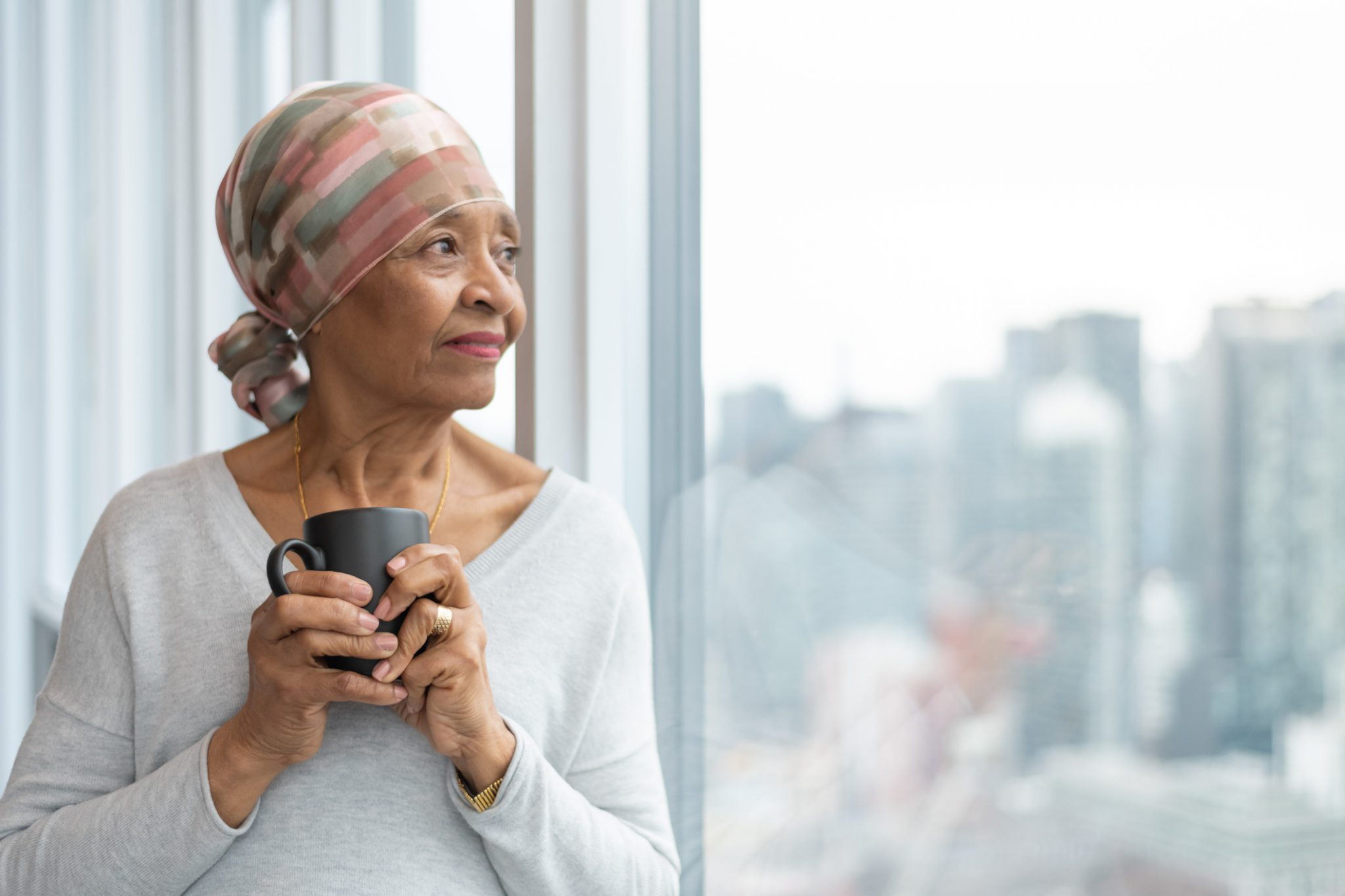
COVID-19 can affect people of all ages. But, it’s older adults and those with serious health conditions, such as heart disease, diabetes or lung disease, who are most vulnerable.
“People older than 60 have the highest risk of developing severe complications related to COVID-19 because our immune systems weaken as we age,” warns Manisha Parulekar, M.D., the chief of Geriatrics at Hackensack University Medical Center. “Older adults are also more likely to have chronic health conditions that make it more difficult to recover.”
How can seniors reduce their risk?
“One of the most important things seniors can do is take this seriously,” says Dr. Parulekar. “I am not saying you have to go to extremes, cut off all human contact and stock up for months and months of quarantine, but be smart and take the recommended precautions.”
Those precautions are as follows:
- Get the COVID-19 vaccine and booster and/or third dose if eligible
- Follow social distancing guidelines and stay at least 6 feet away from others.
- Avoid close contact with people who are sick.
- Wash your hands often with soap and water for at least 20 seconds, especially after blowing your nose, coughing or sneezing, or having been in a public place.
- If soap and water aren't available and your hands are not visibly dirty, use a hand sanitizer that contains at least 60% alcohol. However, if your hands are visibly dirty, always wash your hands with soap and water.
- Wear a mask when you are around others.
- Ensure you are up-to-date on all of your other vaccines to avoid any other illnesses.
Your risk of exposure to respiratory viruses like COVID-19 may increase in crowded, closed-in settings like stores or offices with little air circulation if there are people nearby who are sick. You should avoid these settings as much as possible.
COVID-19 Close to Home
Although these precautions are recommended for everyone, they are especially important in areas where large numbers of confirmed COVID-19 cases have appeared. Take extra measures to put distance between yourself and other people to further reduce your risk of being exposed to this new virus.
- Stay home as much as possible.
- Consider ways of getting food brought to your house through family, social or commercial networks.
- Contact your health care provider to ask about obtaining extra necessary medications to have on hand.
- Ensure that if you live alone you have a loved one or someone nearby check on you regularly.
Next Steps & Resources:
- Schedule your COVID vaccine or booster.
- Meet our source: Manisha Parulekar, M.D.
- To make an appointment with Dr. Parulekar, or a doctor near you, call 800-822-8905 or visit our website.
Find a doctor near me
When to Use an At-Home COVID Test Kit
At-home COVID tests: Learn when to use them, types available, & reliability from Dr. Cicogna. Get testing info & schedule an appointment.
The Truth About COVID-19 Vaccines
COVID-19 Vaccine Facts: Dr. Zuckerman debunks myths. Get accurate information & resources. Call 800-822-8905.
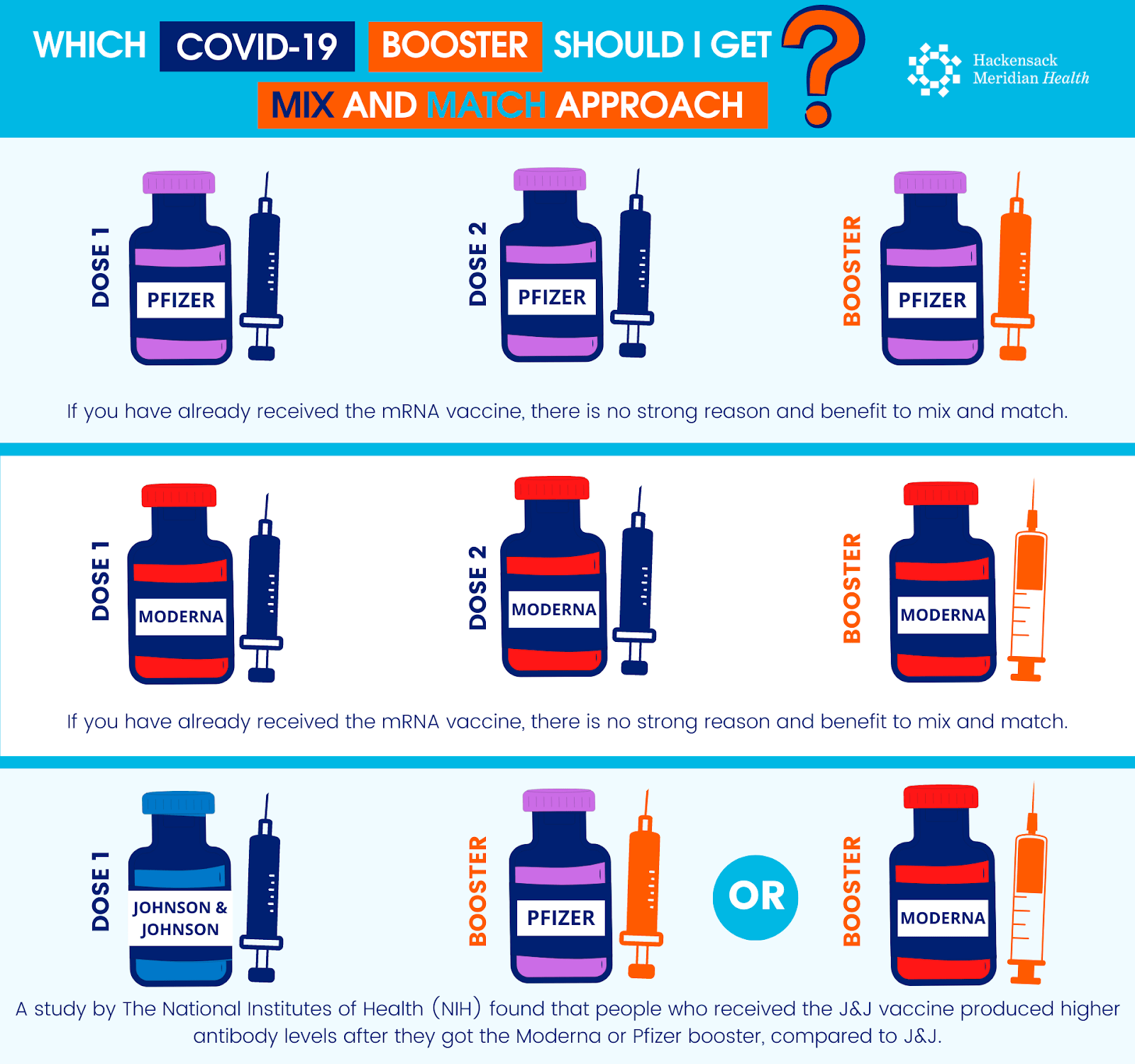
Mix and Match COVID-19 Booster: Which Shot Should You Get?
As more and more Americans become eligible to receive the Covid-19 booster, you will be faced with a choice: Which COVID-19 booster should you receive?
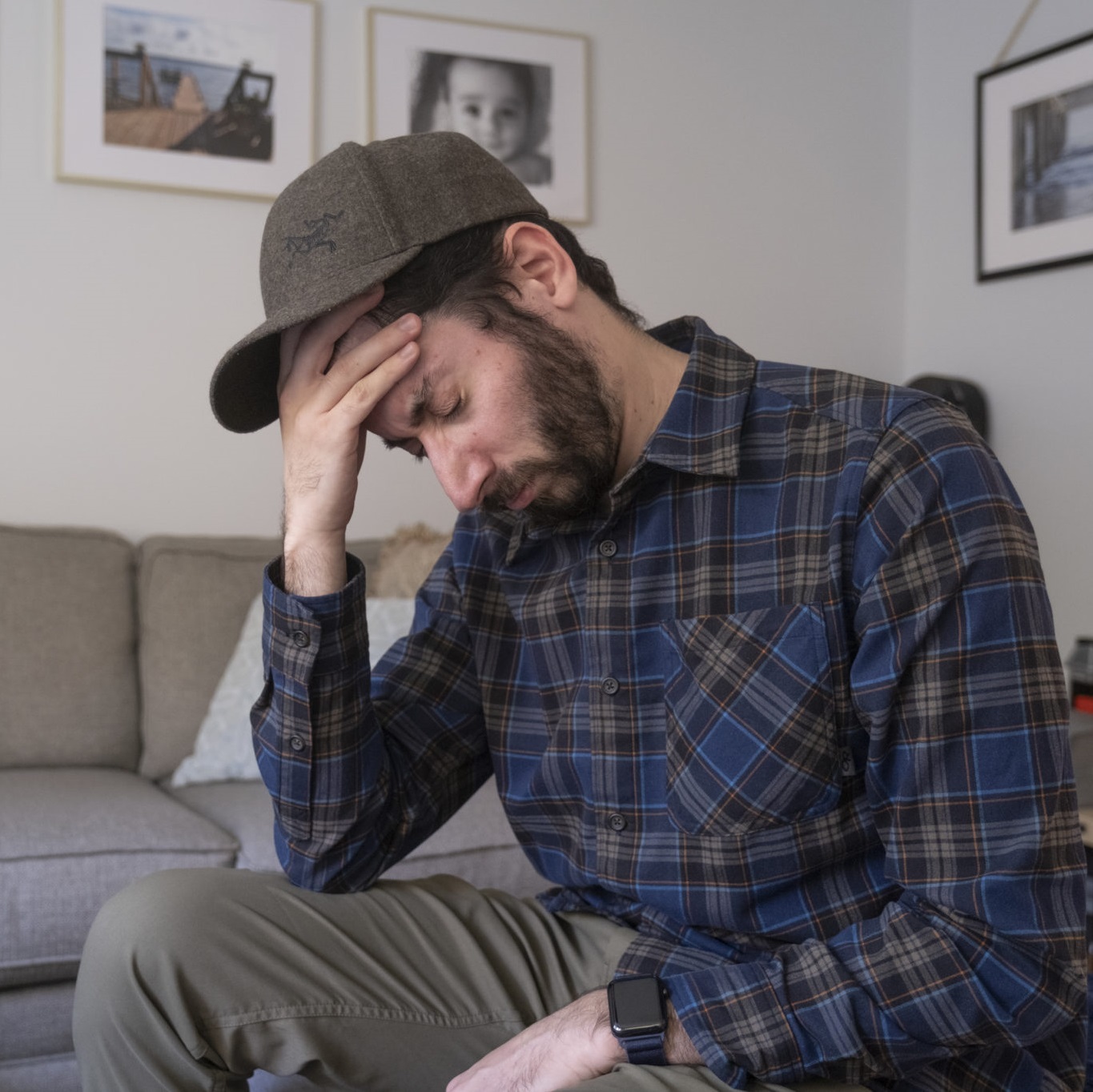
Could You Be Suffering From Long COVID?
Long COVID symptoms? Find relief. Learn about long COVID symptoms, risk factors, and available help at the COVID Recovery Center. Call 833-565-0405.