

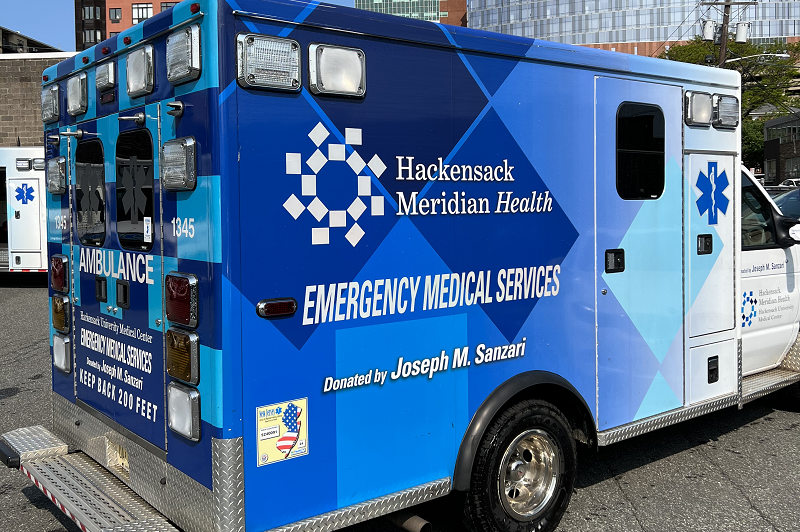
EMTs (Emergency Medical Technicians) and paramedics are the real-life superheroes who rush to our aid in times of medical emergencies. They are highly trained professionals dedicated to saving lives. In this article, we'll share valuable insights from our team about common misconceptions and questions they often encounter.
1. Lights and sirens on an ambulance means pull over and STOP!
When you see an ambulance approaching with lights and sirens, remain calm and pull over to the right side of the road as soon as it is safe to do so. Clearing the way allows EMTs and Paramedics to reach their destination quickly and provide critical care to those in need. Keep in mind, occasionally an ambulance and a smaller paramedic vehicle may travel together, so be sure to yield to both.2. Understanding the difference between EMTs and Paramedics
EMTs and paramedics both provide emergency medical care, but they differ in terms of training and scope of practice.
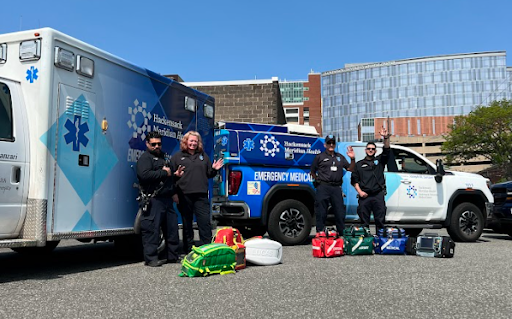
EMT:
- Basic level of training in emergency medical care.
- Can assess patients, provide basic life support, and administer some medications.
- Typically provide immediate medical assistance, stabilize patients, and transport them to a hospital for further treatment.
Paramedic:
- Advanced level of training in emergency medical care.
- Can perform more advanced medical procedures such as administering medications, interpreting electrocardiograms (ECGs), and providing advanced life support.
- Work with ER doctors to perform advanced medical procedures outside of the hospital and bring the ER to you.
3. Ambulances are not taxis
Using ambulances solely for medical emergencies is crucial to ensure that those in life-threatening situations receive prompt and specialized care. By reserving ambulances for genuine emergencies, we prevent unnecessary strain on emergency medical services, allowing them to efficiently respond to critical situations where every second counts.
4. Several factors are considered when deciding which hospital you go to!
Including:
- Do you have a preferred hospital?
- Do you need a trauma center?
- Do you need a stroke center?
- Do you need a cath lab?
- Do you need a pediatric specialty doctor?
- Do you need special mental health services?
5. What is the difference between the two EMS vehicles you see on the road?
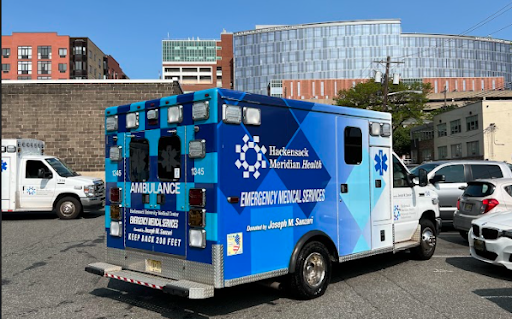
911 Ambulance:
This unit is operated by 2 EMTs and has all of the equipment needed to transport you to the hospital.
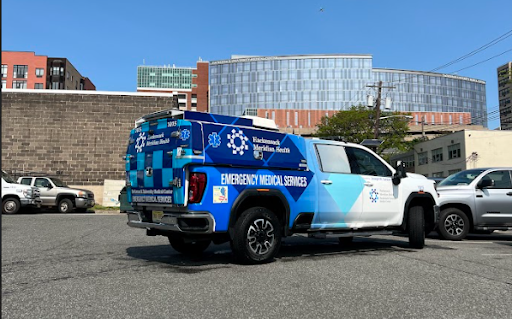
Paramedic Unit:
This unit is operated by 2 Paramedics. These units carry advanced life support equipment and medicines that bring the emergency room to you.
6. How do I know if I need a paramedic or EMT?
When you call 9-1-1, our dispatchers are expertly trained to ask the right questions, provide instructions and make sure the right resources arrive quickly.
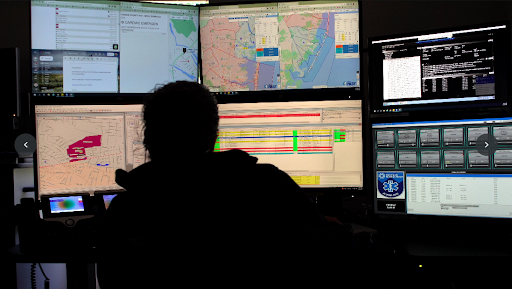
To wrap it up, let's take a moment to appreciate the incredible work of EMTs and paramedics and gain some valuable insights into their world. These real-life heroes go above and beyond to provide emergency medical care when we need it most. By understanding the challenges they face and recognizing the life-saving impact of their work, we can show our support and gratitude for these amazing individuals who stand ready to make a difference in our lives every single day.
Next Steps & Resources:
- Learn more about our Emergency Care services.
- To make an appointment with a physician near you, call 800-822-8905 or visit our website.
Find a doctor near me

How To Create a Family Emergency Plan
Create a family emergency plan. Prepare for disasters; protect loved ones. Get expert advice and resources now.

Keep These Items in Your Home During Hurricane Season
Hurricane preparedness should be top of everyone’s mind around the end of summer, especially those living along the coast in New Jersey and other eastern states.

ER vs. Urgent Care vs. Pediatrician
When your child gets sick, it can be hard to know - should you go to the emergency room (ER), urgent care or pediatrician?

What to Do if Your Child Has a Head Injury
Child head injury? Learn when home care or immediate medical attention is needed. Doctors Marcantuono & Mazzola offer guidance. Get care now.