

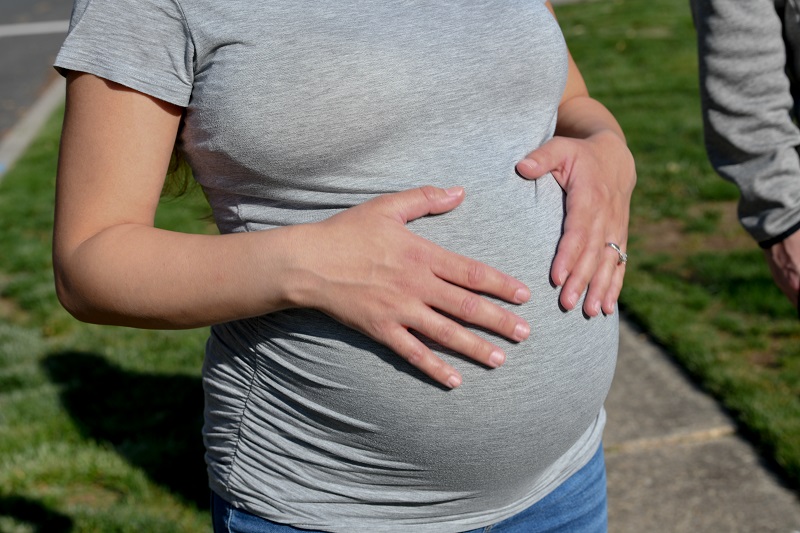
Abdominal separation during pregnancy—also known as diastasis recti (DR) or recti divarication—is a common condition. It happens when a growing uterus causes the two long, parallel muscles of the stomach to separate from each other.
"Abdominal separation happens when the growing baby weakens your abdominal muscles. While it can occur in any pregnant woman, it's most commonly seen in women who have had multiple pregnancies, who are over age 35 and who are having multiples," says Andrea Rodgers, PT, DPT, CLT-LANA, senior physical therapist at Hackensack Meridian Rehabilitation at Neptune. "The condition doesn't put the mother or baby at risk, but it may cause some pelvic and back pain for the mother."
Signs of Abdominal Separation During Pregnancy
Abdominal separation tends to occur toward the end of pregnancy or after giving birth. You might notice these symptoms:
- A gap between the two bands of abdominal muscles that you can see when lying flat and lifting your head up
- A bulge in the middle of the stomach when using abdominal muscles
- Lower back pain
- Constipation
- Bloating
To check for possible abdominal separation:
- Lie on your back and raise your shoulders slightly off the floor.
- Place your fingers on your belly button and press down.
- If you have abdominal separation, you may feel a gap between your muscles.
Your doctor can use special tools, including ultrasound to confirm abdominal separation and measure it.
How Abdominal Separation Is Treated
After delivery, treatment may include:
- Avoiding lifting heavy things
- Avoiding activities that put strain on the muscles, such as sit-ups or planks
- Rolling on your side when getting out of bed and sitting up
- Doing gentle exercises to strengthen stomach muscles
- Wearing compression underwear or supports to support your back
“Physical therapy is an important and helpful step for recovering from abdominal separation,” says Kathryn Petersen, PT, DPT, CLT-LANA, senior physical therapist at Hackensack Meridian Rehabilitation at Neptune. “During physical therapy, women typically start with simple exercises and then gradually progress to more channeling positions and muscle activations.”
Andrea says she encourages gentle strengthening of the transverse abdominus muscle for patients with DR. She offers a simple exercise:
- Lay on your back on a bed or mat.
- Place your hands on your tummy area and bring the separated areas of your ab muscles closer together.
- Lift your head off the bed or mat and hold it for a few seconds.
- Repeat about 10 times.
Fortunately, abdominal separation usually closes on its own weeks after delivery. Surgery may be needed in severe cases with stitches being used to repair the wall.
Reduce Your Risk of Abdominal Separation During Pregnancy
To reduce your risk of abdominal separation during pregnancy:
- Avoid sit-ups and planks.
- Get regular prenatal care.
- Wear a supportive brace or compression underwear.
- Treat constipation and any coughs to avoid putting extra strain on the abdominal muscles.
To reduce the risk of abdominal separation during pregnancy, moms-to-be should talk to their health care provider about measures such as strengthening the core muscles before getting pregnant. But remember, abdominal separation is common and doesn't put your pregnancy at risk.
Next Steps & Resources:
- To find an obstetrician near you, call 800-822-8905 or visit our website.
- Find a childbirth class near you.
Find a doctor near me
Are Kick Counts Necessary?
Track fetal movements. Dr. Al-Khan explains kick counting importance for pregnancy monitoring. Learn more and schedule an appointment.

5 Things That Can Cause a Miscarriage in the First Trimester
About 10 percent of known pregnancies end in miscarriage during the first trimester. Our OB/GYN explains.
What are the Best Movements to Practice in Postpartum?
Engaging in gentle exercises and movements can help to speed up recovery and improve mental health for women after pregnancy and childbirth.
What Are the Degrees of Vaginal Tearing?
Understand vaginal tearing degrees. Dr. Aland explains causes, repair, and future risks. Learn prevention tips and find resources. Call 800-822-8905.