


At one time or another, we have all felt bloated. Our clothes feel tight, and we may physically feel heavy and full. But what causes belly bloating, and is there anything we can do to help prevent it?
Our experts explain everything you need to know about belly bloating and offer a few simple solutions to keep it in check.
What is Belly Bloating?
“Belly bloating is a feeling that your stomach is overfull or stretched,” says Darshini Shah, M.D., a primary care physician at Hackensack Meridian Primary Care - Clark. Belly bloating can happen for many different reasons. You may have an allergy to gluten or suffer from a chronic condition like irritable bowel syndrome. Many women also experience bloating while pregnant or when menstruating. However, diet is most often the culprit.
What Foods Cause Bloating?
“High FODMAP foods can cause or contribute to belly bloat,” says Jillian Weinfeld, M.D., director of curriculum and research at the Family Medicine Residency Program at Ocean University Medical Center. FODMAP is an acronym for a specific group of carbohydrates that are poorly absorbed by the upper GI tract and can lead to bloating. High FODMAP foods include dairy, rye, beans and asparagus, just to name a few.
Other items, such as carbonated beverages, artificial sweeteners and highly processed foods containing a lot of sugar and food additives like polysorbate-80, can also contribute to bloat. “Sometimes, bloating is simply caused by eating too fast, and you end up swallowing a lot of air while you eat,” says Anne Park, D.O., FACP, a primary care physician at Hackensack Meridian Medical Group.
What Foods Reduce Bloating?
Foods that are classified as low-FODMAP can help keep bloating at bay. “Keep it simple,” Dr. Park says. “Eat clean. Protein with non-starchy veggies. Add prebiotics (leafy greens/cabbage) and probiotics (kefir, sauerkraut, kimchi, yogurt) to your diet to enhance your gut microbiome.”
If you are already feeling bloated, peppermint tea may help provide relief. In fact, hydration, in general, is key. “Drink a lot of water—at least eight glasses per day,” says Dr. Shah.
Other Ways to Reduce Bloating
Besides watching what you eat, you can reduce belly bloating by:
- Exercising. Regular exercise can help keep your GI tract moving. Even just 15–30 minutes of walking can make a big difference.
- Eating slower. If you are a speed eater, it may not be your diet that’s causing your bloating but rather the rate at which you consume food.
When to See a Doctor
If your bloating issues are recurrent or last longer than a week, you should consider seeing your doctor—especially if you have other symptoms, such as stomach pain or nausea. “Finding out your underlying cause of belly bloat and targeting it is the best path to feeling better long term,” Dr. Weinfeld says.
Next Steps & Resources:
- Meet our sources: Darshini Shah, M.D., Jillian Weinfeld, M.D., and Anne Park, D.O.
- Make an appointment online with a primary care physician near you, or call 800-822-8905.
Find a doctor near me

Nourish Your Body and Thrive: 4 Essential Tips for Better Nutrition
Beyond the basic “eat more fruits and vegetables” advice, how can you use nutrition to nourish your body and thrive? Registered dietician Taylor D’Anna answers.
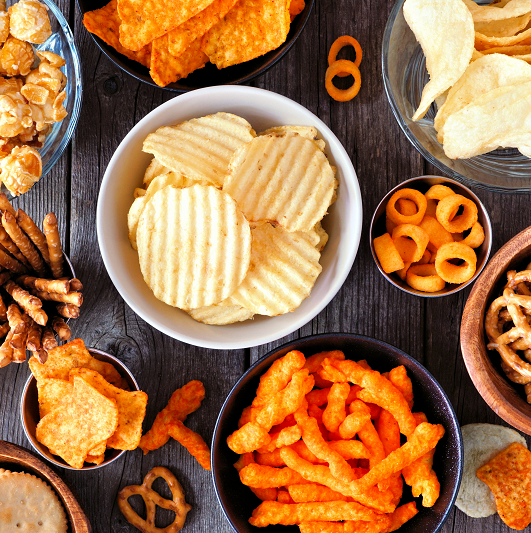
Am I Addicted to Processed Food?
Conquer processed food cravings. Registered Dietitian Tara Piantadosi explains how ultra-processed foods impact your health. Learn tips & find support. Call 800-822-8905.

How Much Water You Should Drink, According to a Doctor
Staying hydrated is vital to your health and wellness. Here’s how much water to consume and tips for avoiding dehydration.
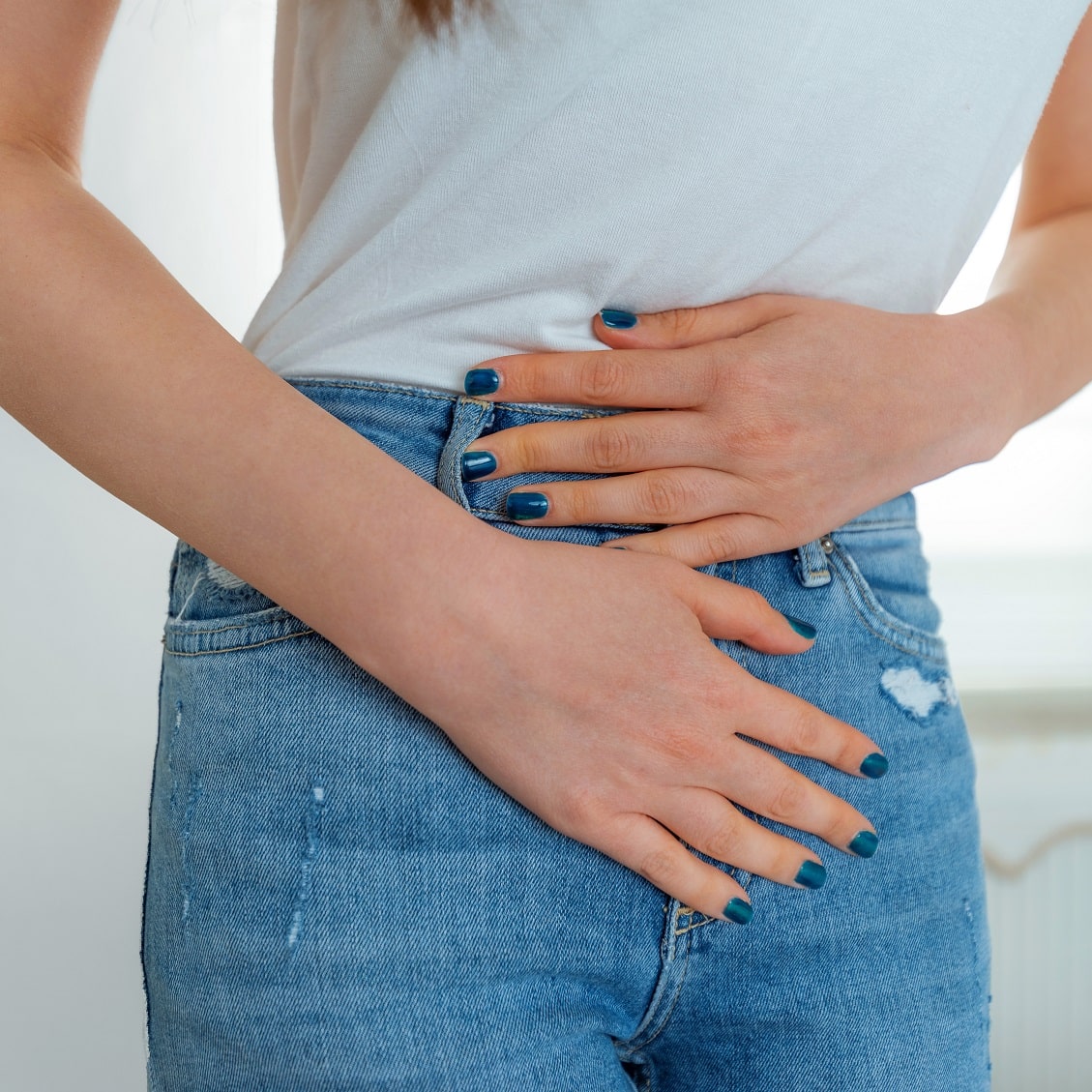
Try These 9 Things for Better Gut Health
Improve gut health with 9 simple tips from Dr. Felibrico at Jersey Shore University Medical Center. Learn how diet and lifestyle impact digestion. Call 800-822-8905 for an appointment.