

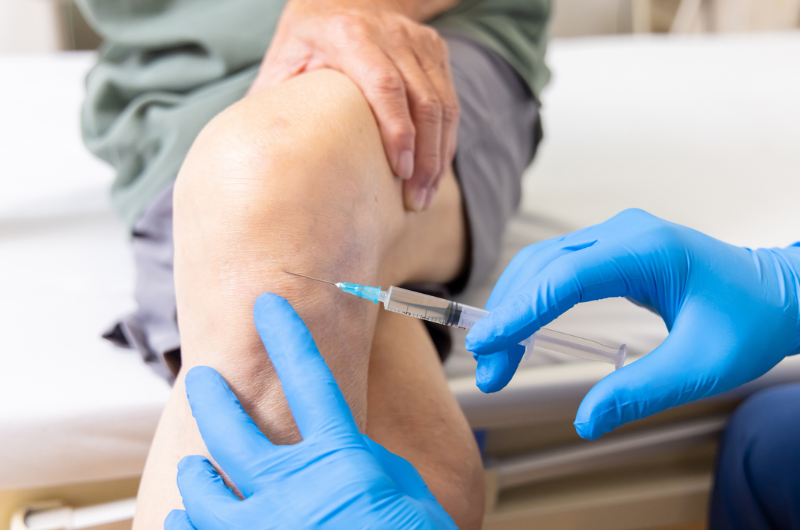
Your body is amazing at healing itself. Think of a time when you’ve had a cut – your body sends special cells to stop the bleeding and start the repair process. Platelet-rich plasma (PRP) therapy is like giving your body's natural healing power a boost, especially for orthopedic injuries.
At Hackensack Meridian Health, sports medicine specialists Chris Cherian, M.D., Ferheen Shamim, M.D. and Stephen Silver, M.D. all use PRP to help patients recover from injuries and return to the activities they love. Together, they explain what PRP is, how it works, and what you can expect if you’re considering this treatment.
Imagine your blood as a bustling city with different teams working together. When you get injured, it's like a building gets damaged in this city. Your body immediately begins repairs.
Red Blood Cells (The Oxygen Delivery Crew)
These are like the city's delivery trucks, constantly bringing oxygen to every part of your body, including the injured area. Oxygen is essential for cell repair and regeneration. Think of it as the fuel that powers the construction crew.
White Blood Cells (The Defense Force)
These are the city's police and firefighters. They rush to the injury site to fight off any invading germs (bacteria or viruses) that could cause infection. They keep the construction site safe and clean.
Platelets (The Construction Crew)
These are the builders and repair workers. They have a few key superpowers:
Growth Factors (The Architects and Engineers): Platelets release special proteins called growth factors. These are like the architects and engineers who guide the rebuilding process. They signal other cells to come to the area and start repairing the damaged tissues. This signaling cascade helps provide the blueprints for rebuilding stronger and healthier tissue.
So, when you get a PRP injection, it's like sending a highly concentrated team of construction workers (platelets) directly to the damaged building (your injury).
How Do PRP Injections Work?
PRP therapy takes these helpful platelets and concentrates them. Here's how it works:
- A blood draw: Just like a regular blood test, blood is taken from your arm.
- Spin cycle: The blood is placed in a special machine called a centrifuge. This machine spins really fast, separating the different parts of your blood.
- Collecting PRP: The concentrated platelets, now called platelet-rich plasma, are carefully collected.
- Targeted delivery: A doctor uses an ultrasound to guide a needle and inject the PRP directly into the injured area. This ensures the "construction crew" gets right to work where it's needed most.
What is a PRP Injection Used For?
Dr. Silver,, chief of the Sports Medicine Department at Hackensack University Medical Center, shares what orthopedic problems PRP injections can help with:
- Osteoarthritis: The "wear and tear" type of arthritis.
- Tendon injuries: Like tennis elbow or a rotator cuff tear.
- Ligament injuries: Sprains and tears.
- Muscle injuries: Strains and pulls.
What are the Benefits of PRP?
- Pain relief: PRP injections harness the body's natural healing process, including inflammation, to promote tissue repair and reduce pain.
- Faster healing: Those super-powered platelets get to work quickly, speeding up the repair process.
- Better movement: As your injury heals, you'll be able to move more freely and easily.
- Long-lasting relief: PRP can provide long-term pain relief and improved function.
- Safe for all ages: Because PRP uses your own blood, it's a safe treatment option for people of all ages.
“PRP is very safe – it’s your own blood, so you’re not going to have a reaction to it – it’s got excellent growth factors in it and it’s safer than cortisone,” Dr. Silver says. And, unlike with cortisone, there is no limit to the number of treatments you can have.
Important note: PRP isn't a magic bullet. It won't instantly regrow cartilage or completely fix a torn tendon. It works best as part of a comprehensive treatment plan, which may include physical therapy and other treatments.
Does Insurance Cover PRP Injections?
Unfortunately, most insurance companies consider PRP injections an elective treatment for many conditions, and therefore, they are often not covered. This can make PRP therapy an out-of-pocket expense for patients.
What can you do?
- Check with your insurer: Contact your insurance company directly to inquire about coverage for your specific condition and the type of PRP injection being recommended. While coverage is generally limited, some plans may cover PRP for certain diagnoses or under specific circumstances.
- Explore payment plans: Many clinics offering PRP injections understand the financial burden and offer payment plans or financing options to make the treatment more accessible.
- Consider a Health Savings Account (HSA) or Flexible Spending Account (FSA): If you have an HSA or FSA, you may be able to use these funds to pay for PRP injections.
How Much Do PRP Injections Cost?
The cost of PRP injections can vary depending on the area being treated, the number of injections needed, and the provider. Generally, a single PRP injection can range from $500 to $2,000 or more. It's important to discuss the cost with your doctor upfront and explore all available payment options.
How Long Does it Take for PRP Injections to Work?
Patients may see improvements as early as six weeks, but it can take up to 12 weeks, Dr. Cherian says. “This mimics what our normal body physiology is, so when you injure a tendon and you have a nice robust blood supply to that injury, it typically takes that long for someone to start feeling better,” he says.
To improve the chances of a good outcome, an aftercare plan is essential, says Dr. Shamim, a dual board-certified sports medicine and physiatry specialist at Hackensack and Palisades Medical Center.
“It’s not just about the shot,” she says. “It’s also about, what will this treatment accomplish for the patient and how are we going to get them to their goal? That requires customized aftercare planning to step-by-step enable them to do everything they want to do.”
Ready to Take the Next Step?
If you're struggling with an orthopedic injury, PRP injections might be a good option for you. Talk to your doctor to see if PRP is right for you and how it can help you get back to doing the things you love.
“I’ve been giving this treatment for more than 12 years now and I can’t think of any unhappy patients,” Dr. Silver says, “but it’s important for doctors and patients to talk about what research has proven is effective and what their treatment goals are.”
Next steps & resources:
- Meet our sources: Chris Cherian, M.D., Stephen Silver, M.D., Ferheen Shamim, M.D.
- Make an appointment with an orthopedic specialist, or call 800-822-8905.
- Learn more about sports medicine and injury care at Hackensack Meridian Health.
Find a doctor near me

What Is Frozen Shoulder, and Can You Prevent It?
Pain that makes you hesitate to use your shoulder may be a sign of a condition known as frozen shoulder.

How to Relieve Knee Pain Triggered by Everyday Activities
It’s not just vigorous movements that can produce knee pain, but everyday activities as well.
How to Avoid or Postpone Knee Replacement Surgery
Avoid or postpone knee replacement surgery. Learn tips from Dr. John to improve knee health and manage pain. Call 800-822-8905 for an appointment.
Do Over-the-Counter Knee Braces Help?
Over-the-counter knee braces: Do they help? Dr. Craig Van Dien explains when they may help reduce knee pain and when you need a doctor's advice. Find relief today.