


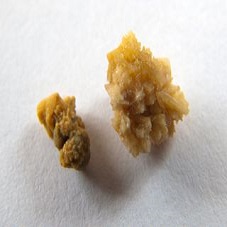
One out of every 10 Americans will experience kidney stones. These tiny stones are made of excess minerals within the kidneys.
“The kidneys form urine, which is comprised of salt, minerals, waste and water,” says Nikhita Gadi, M.D., a nephrologist in Teaneck, New Jersey. “When too much salt and minerals are excreted into the urine, they crystallize, compounding into a stone.”
There are four common types of kidney stones:
- Calcium oxalate, which are most common. The mineral oxalate is found in spinach, nuts, dark chocolate and raspberries. Eating these foods in excess can contribute to kidney stones.
- Uric acid, which may form when people have obesity, metabolic syndrome or gout.
- Struvite, which may occur after urinary tract infections.
- Cysteine, which develops when people have cystinuria, a genetic condition.
Why Do Kidney Stones Form?
Some people develop stones because of a dietary imbalance or poor hydration habits. Others get kidney stones because of an inherited condition.
The foods that you eat may affect kidney stone formation. It’s important to have a balance of minerals – for example, calcium and oxalate.
“When there’s not enough calcium, the oxalate can super-saturate, get eliminated into the urine, and then it crystallizes,” Dr. Gadi says.
Kidney Stone Symptoms
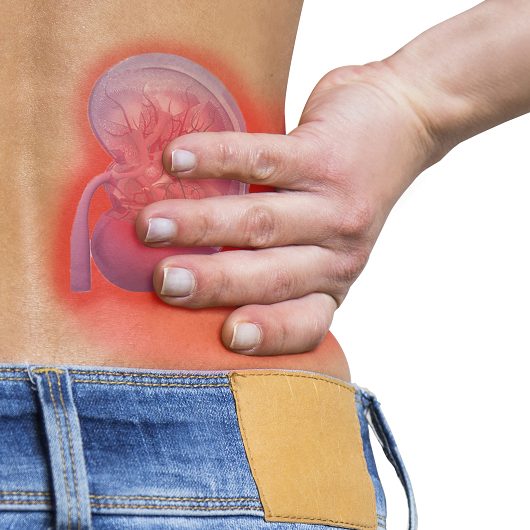
The most common symptom of kidney stones is pain.
Larger kidney stones often cause more severe symptoms. If kidney stones cause an infection, other symptoms can arise.
People with kidney stones may have symptoms like:
- Flank pain (pain on the side of your back)
- Burning pain when you pee
- Dark-colored pee (a possible sign of dehydration)
- Blood in the urine
- Fever
- Nausea
Treatments for Kidney Stones
Doctors may recommend:
- Drinking more water. Doctors tell patients to drink 6 to 8 glasses of water daily. Peeing about two liters of urine per day should help small stones pass.
- Using the medication Flomax. This medication helps stimulate the movement of kidney stones. It helps people pass the stones in their urine.
- Taking potassium citrate. The citrate in this medication binds to calcium in the urine. It prevents calcium from binding to oxalate and forming stones.
- A procedure that breaks apart kidney stones. Doctors can aim sound waves at larger stones to break them up. Patients can often pass these smaller pieces themselves.
- A surgical procedure. Doctors sometimes need to remove larger kidney stones. They insert a thin, flexible tube with a camera into the urinary tract. Once they locate the stone, they grasp and remove it.
How to Prevent Kidney Stones
People with kidney stones are at risk of having more. There’s a 50% risk of developing additional kidney stones within 5 to 7 years.
These habits may help prevent more kidney stones from developing:
- Stay hydrated. Drink enough water so that your pee is pale yellow. This encourages waste products in the urine to pass out of the body without forming stones.
- Eat foods in moderation. “Don’t just eat spinach and nuts every day,” Dr. Gadi says. “There’s a lot of oxalate in those foods, and it can saturate into stone.”
- Cut back on sodium. You’ll pee out more calcium when you consume higher levels of sodium. Less calcium increases the risk of kidney stones.
- Mind your calcium intake. Aim for a moderate amount of calcium, between 1 and 1.2 grams daily, Dr. Gadi says.
- Eat less red meat. Beef contains high levels of purines, a chemical compound. Too much increases uric acid levels, which may result in kidney stones.
- Take medication as prescribed. If you eliminated kidney stones with medication, your doctor may recommend that you keep taking the medication.
- See your doctor. If you’re prone to kidney stones, see your doctor annually. They’ll send you for lab work, to check the mineral levels in your blood and urine.
Next Steps & Resources:
- Meet our source: Nikhita Gadi, M.D.
- To make an appointment with Dr. Gadi or a doctor near you, call 800-822-8905 or visit our website.
Find a doctor near me
Why People Get Kidney Stones
Understand kidney stones? Dr. Chang of Palisades Medical Center explains causes, treatment, and prevention. Learn more and schedule an appointment.

7 Conditions That Affect Men More than Women
Learn about 7 health conditions affecting men more than women. Get information on prevention and treatment. Find a doctor near you today.
Can a Kidney Stone Go Away on its Own?
Kidney stones may pass naturally. Learn about treatment options from JFK University Medical Center urologists. Call 800-822-8905 for an appointment.
Blood in Urine or Poop: Should I Worry?
Blood in urine or stool? Dr. Halari explains causes and next steps. Get expert guidance and schedule an appointment today.