
Ever notice your feet or legs ache when you walk, then feel better when you rest? Or maybe your toes feel cold, discolored or take forever to heal after a small cut?
These could be signs that your body isn’t getting enough blood flow, also called poor circulation.
To help explain what’s happening and when to take action, we spoke with Alan M. Dietzek, M.D., chair of vascular surgery for the southern region at Hackensack Meridian Health. Dr. Dietzek specializes in diagnosing and treating circulation disorders that affect the arteries and veins.
What is Poor Circulation?
“When people use the phrase ‘poor circulation,’ it can mean different things,” says Dr. Dietzek. “But clinically, we usually think about arterial circulation – when blood isn’t getting down the leg the way it should. Most of the time, that’s what patients are referring to.”
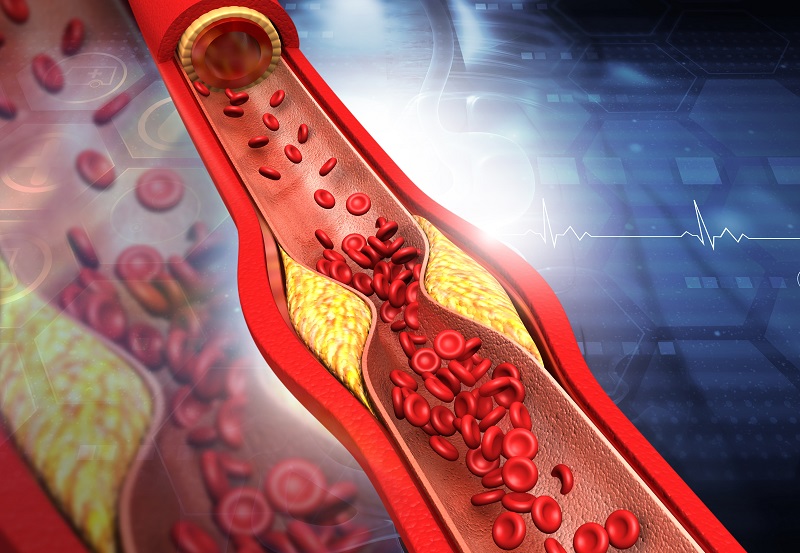
Reduced arterial flow is often the result of atherosclerosis, a buildup of plaque that narrows the arteries. When the arteries tighten, the muscles and tissues farther from the heart don’t receive enough oxygen-rich blood. This can lead to pain with walking, color changes in the skin, or wounds that simply don’t heal.
What are the Early Warning Signs of Poor Circulation?
The most common early symptom is pain or cramping in the calves while walking, called claudication.
“Patients often describe it as a tightness or cramp that forces them to stop walking,” explains Dr. Dietzek. “The discomfort improves with rest, which is a hallmark of decreased arterial circulation.”
Other symptoms to watch for include:
- Cold feet or toes that don’t warm up easily
- Pain in the feet or toes at night that improves when the leg is lowered or when standing (known as rest pain)
- Skin discoloration, especially bluish or dark-tinged toes
- Wounds or ulcers on the feet or legs that heal slowly or worsen
Patients with diabetes require special attention. “People with diabetic neuropathy may not feel pain even when blood flow is severely compromised,” notes Dr. Dietzek. “If you notice discoloration, darkening of the skin or any sign of infection, seek medical attention immediately. Infections in people with poor circulation – especially diabetics – can progress very quickly.”
What Causes Poor Circulation?
The biggest causes of poor circulation are smoking, diabetes and aging – but genetics and certain health conditions can also increase your risk.
“Smoking remains one of the strongest risk factors for developing atherosclerotic disease,” says Dr. Dietzek. “Diabetes also contributes significantly, particularly by affecting the smaller arteries in the leg and foot. Diabetic patients should check their feet regularly because even minor wounds can worsen rapidly.”
Other contributing factors include:
- Family history of vascular disease
- High cholesterol or blood pressure
- Kidney disease (especially in patients on dialysis)
- Sedentary lifestyle
How is Poor Circulation Diagnosed and Treated?
Diagnosis typically includes a physical exam and pulse assessment, followed by noninvasive tests such as Doppler ultrasound or an ankle-brachial index (ABI).
“These tests are painless and extremely informative,” Dr. Dietzek says. “They help us determine the presence and severity of vascular disease.”
Treatment varies depending on the severity of symptoms.
For Mild Claudication
Lifestyle modification is often the first step.
“We advise a structured walking program—walk until the discomfort starts, rest briefly, and resume,” Dr. Dietzek explains. “About two-thirds of patients see noticeable improvement within six weeks.”
For More Significant Symptoms
Medications such as cilostazol can improve walking distance for appropriate patients.
For Advanced Disease or Non-Healing Wounds
Minimally invasive procedures (angioplasty, stenting) or, in select cases, surgical bypass may be required.
“Modern vascular surgeons can treat disease medically, minimally invasively or with open surgery,” he adds. “Most patients don’t need a procedure – they need risk-factor management and guidance.”
When Should You See a Vascular Surgeon?
If you notice repeatable pain when walking, foot wounds that won’t heal or nighttime foot pain, don’t ignore it.
“Don’t be afraid of what you might have,” says Dr. Dietzek. “Many patients don’t have severe disease, but if you do, early diagnosis makes all the difference.”
He also emphasizes the importance of seeing a board-certified vascular surgeon.
“See a specialist who is trained to offer the full spectrum of treatment options – medical management, minimally invasive procedures and traditional open surgery,” Dr. Dietzek adds. “Not every treatment works for every person. One treatment does not fit all.”
The Bottom Line for Understanding Poor Circulation
Poor circulation can start subtly, but ignoring it can lead to serious complications.
The good news? Today’s vascular specialists can often treat it effectively – without surgery.
If you notice consistent leg pain, skin color changes or wounds that won’t heal, listen to your body. Schedule an evaluation with a vascular expert at Hackensack Meridian Health and take the first step toward improved circulation and better health.
Next Steps & Resources
- Meet our source: Alan Dietzek, M.D.
- Make an appointment online with a vascular surgeon near you, or call 800-822-8905.
- Explore the vascular surgery services at Hackensack Meridian Health.
Find a doctor near me

Artery Disease: Signs and Symptoms

What Really Impacts Your Cholesterol Levels?
How Doctors Treat Clogged Arteries Without Surgery