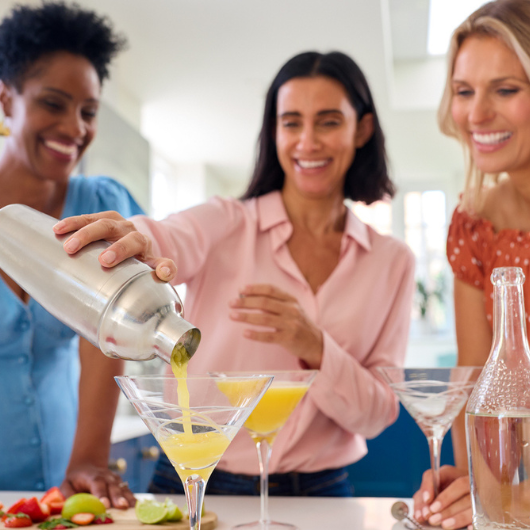
As we continue our celebrations into 2026, consider this: A recent study has found that drinking any amount of alcohol can increase the risk of developing dementia.
Previous studies have shown heavy alcohol use could impact the brain and other body systems. But the new study, published in the journal BMJ Evidence-Based Medicine, found an increased dementia risk even among some light and moderate drinkers.
5 Practical Ways to Reduce Your Alcohol Intake
Dr. Parulekar offers several tips to cut back on alcohol use:
- Reframe your thinking: Don’t associate fun with drinking alcohol. “We need to dissociate the idea of having a good time and alcohol,” Dr. Parulekar says. “It’s really critical, because that’s something that has become a societal norm. We pretty much go to alcohol if we’re happy, if we’re sad, if we are celebrating, if we’re mourning, if we’re bored. It’s important to move away from the association that it’s the only way to relax or have a good time.” Plan social outings and get-togethers that do not involve alcohol.
- Focus on your reason for cutting back. Go into social situations reminding yourself why you want to minimize alcohol intake. Maybe you don’t want alcohol to interact with your brain, so you can avoid a fall. Focusing on your “why” is important.
- Find replacements for alcoholic beverages. At parties or restaurants, try a nonalcoholic mocktail, or have a soda or seltzer water with a fruit wedge or splash of juice.
- Have a plan. You might plan to have just one alcoholic beverage at a social gathering. But even that one drink can throw off your judgment, so you may drink more without planning to. If you go this route, have a backup plan. Ask a friend or relative to look out for you and remind you to stick to nonalcoholic drinks for the rest of the event.
- Embrace alcohol-free activities with friends and family. “Creating new traditions, fun nonalcoholic drinks and fun activities to do is a very good way for the whole family to have a good time together — without the negative effects of alcohol,” says Dr. Parulekar.
How Drinking Alcohol Affects Brain Health, Cognitive Function and the Liver
Alcohol has a depressive effect on the brain, explains Manisha Parulekar, M.D., chief of the Division of Geriatrics and co-director of the Center for Memory Loss and Brain Health at Hackensack Meridian Neuroscience Institute at Hackensack University Medical Center.
“Keeping it simple: It basically causes a generalized slowing of the brain function,” she says, and can affect coordination, memory and sensory processing. “Even smaller quantities interfere with your decision-making capacity. As soon as you take that first sip, the chances of alcohol impacting your judgment have already started.”
Some individuals are slow metabolizers of alcohol and become drunk very easily. Others may respond more slowly, she says. Still, having just one drink a day increases the risk of dementia, other brain health problems and the risk of falls.
The effects of drinking alcohol can be compounded in seniors because it is metabolized in the liver, Dr. Parulekar says. Older adults tend to have more fat, which is where alcohol is metabolized and can stick around. This can interact with medications, she says, “so you want to be very cautious, and definitely discuss with your primary care provider even if you’re considering an occasional drink.”
Additionally, drinking alcohol can cause liver problems. “People do not realize how significant the effect of chronic alcohol intake is in the development of various liver diseases, including cirrhosis and liver failure,” says Dr. Parulekar.
And, it can make other health issues worse. For example, if you have sleep issues, drinking will interfere with your sleep cycle and make your insomnia worse, she says. It also could be problematic for people with heart failure or kidney problems who should be restricting fluids.
How to Talk to Friends or Family About Cutting Back
Don’t beat around the bush. Tell your friends and family what your concerns are and how they can help support you in your efforts to reduce or stop drinking alcohol. “It’s important not to stigmatize it, and have an open conversation,” Dr. Parulekar says. If a friend or family member confides in you, be compassionate and supportive.
When to Seek Professional Help for Alcohol Use
Many people struggle with alcohol use at some time in their lives, says Dr. Parulekar. “If you think about alcohol on a daily basis or if you get upset when people talk about stopping or minimizing alcohol intake, these are flags you most likely have alcohol abuse,” she says.
Some other signs, according to the National Institute on Alcohol Abuse and Alcoholism:
- Have you had times when you ended up drinking more, or longer, than you intended?
- Has drinking alcohol interfered with taking care of your home or family? Or caused job or school troubles?
- Have you given up or cut back on activities you used to like so you could drink?
- Have you engaged in unsafe behaviors after drinking alcohol?
Don’t be embarrassed. Many people feel stigma or ashamed, Dr. Parulekar says, but it’s important to take action. “Discuss this with your primary care provider and get evaluated. Sometimes keeping a diary of how many drinks you have helps to have data points to share with your doctor.”
Alcoholics Anonymous has helped many people and their caregivers and family members feel supported while becoming sober, she says. Depending on the level of alcohol use, people also may benefit from appointments with a behavioral health professional or an outpatient or inpatient program. Your doctor can help refer you to the appropriate resource.
Next Steps & Resources:
- Meet our source: Manisha Parulekar, M.D.
- Make an appointment online with Dr. Parulekar or a geriatrics specialist near you, or call 800-822-8905.
- Learn more about alcohol addiction treatments available throughout Hackensack Meridian Health.
Find a doctor near me

Should I Quit Drinking?

Managing Addiction Throughout the Holidays
How Do I Know if I Have an Alcohol Use Disorder?