

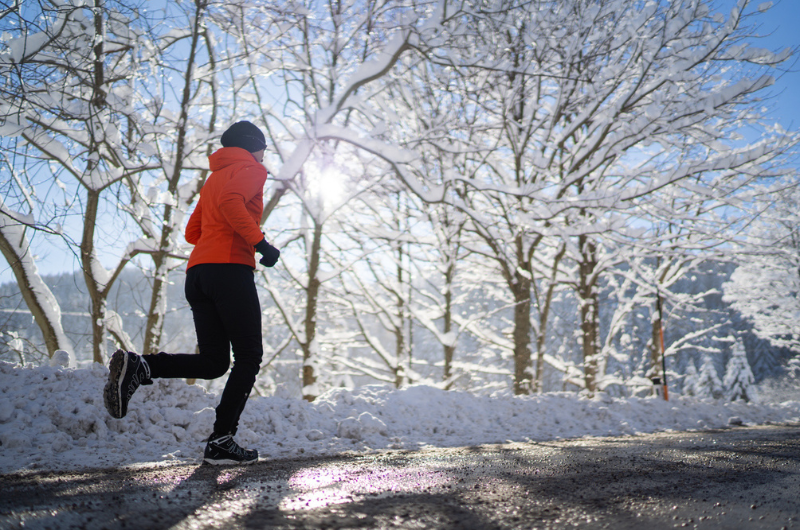
The right sneakers, warm gloves, a charged watch and plenty of oxygen. Respiratory health is easy to take for granted, but it’s more important than any of your other must-have running gear – especially as temperatures drop. Nothing kills the joy of heading out on a crisp, cool day like coughing, wheezing and other issues with lung function.
Unfortunately, respiratory symptoms are common when running in cold weather: “The moist lining of your nose and mouth normally warms and moistens inhaled air before it goes to the lungs,” explains Killol Patel, M.D., director of interventional pulmonology at JFK University Medical Center. “But when it’s dry and cold and you’re breathing fast during exercise, the air may not get as conditioned.” That can lead to not only coughing and wheezing, but trouble catching your breath, chest tightness – and the urge to cut your run short.
Dr. Patel shares cold-weather running tips and other advice on how to protect your lung health in the winter, whether you’re jogging or enjoying other outdoor exercise.
Why Cold Weather Can Be Hard on Your Lung Health
Lungs have a natural protective mechanism whenever they sense a potential irritant or damage: “It’s called a bronchospasm,” Dr. Patel explains. “When you breathe in air that’s dry and cold, your lungs may spasm as a means of protection,” he says. “They think there’s something noxious in the air.”
It can happen to healthy individuals, but if you already struggle with respiratory issues such as exercise-induced asthma or have irritated or inflamed airways, the effect can be worse. “In those cases, your lungs are already on edge, so there’s no buffer,” Dr. Patel says. “Exercising in the cold, dry air can take you over the edge more quickly.” Your airways may become more irritated or inflamed and constricted, making it difficult to get enough oxygen, which can trigger wheezing, shortness of breath, a tightness or burning in the chest and other trouble breathing. “Your heart may then start racing, and your body tells you to stop,” he says. Mucus may also build up to clog your airways, according to the American Lung Association.
Practice Smart Breathing Exercises for Your Lungs
Try these tips to prevent dry air from irritating your lungs and to protect your airways while exercising outside in the cold.
Warm Up Your Airways
Just as you warm up your muscles before exercising, prepare your respiratory system to avoid the shock of going directly from a cozy, warm home to gulping cold, dry air. “Breathe deeply as you’re getting ready to run inside — preferably somewhere that’s not that warm but not as cold as outside,” Dr. Patel advises.
Inhale Through Your Nose Versus Your Mouth
“The goal is to moisten and warm the air before it makes it to your lungs, and your nose can do a good job of that,” Dr. Patel says. Breathing through your mouth isn’t as effective at “conditioning” the air’s temperature and humidity.
Take it Easy
The faster you run, the quicker your breathing, which means there’s less time to condition each breath. “If you’re panting quite a bit, slow down your pace,” Dr. Patel says. The American Lung Association also suggests rhythmic breathing, where you inhale and exhale in a pattern based on your steps: Inhale over the course of three (for example, left, right, left) and exhale in two; then continue.
Protect Your Lung Health While Exercising Outdoors
Try these expert-backed ways to ensure running in the cold doesn’t impact your lungs:
Stay Warm and Dry
Wear moisture-wicking layers to keep you comfortable, and consider covering your nose and mouth with a scarf or mask as you start moving. “It creates a small bubble of warmer air to breathe,” Dr. Patel says. (Once you acclimate, however, you may not need it anymore, he adds.)
Protect Yourself From Germs
Another reason to mask up on a cold run: A study in the Journal of Allergy and Clinical Immunology suggests that when the temperature inside the nose drops in cold weather, it may hamper the nose’s first-line, natural defense mechanism against viruses that cause upper respiratory infections. So, what’s the best cold-weather mask for runners? Choose a breathable, wicking material.
Hydrate Ahead of Time
Can drinking enough water help you breathe easier during a winter run? “Big time,” Dr. Patel says. “If you’re dehydrated, even without the cold air you’re more prone to bronchospasms, especially people with asthma.”
Avoid Smoggy Routes
Pollution is another factor that can cause bronchospasm on its own. “If it’s cold on top of that, [poor air quality] can make breathing and symptoms worse,” he says.
Try These Breathing Exercises To Build Lung Strength
You’d never run a 10K or half marathon without a little training first, right? You can help train your lungs, too.
Swimming
“Swimming builds respiratory muscles and makes breathing more efficient by forcing you to inflate your lungs to the fullest, which you don’t usually do when breathing normally,” Dr. Patel says. “It also helps you learn to control your breathing.”
Diaphragmatic Breathing
Like swimming, this type of breathing – also called abdominal or belly breathing – encourages you to take deeper, fuller breaths. One review in the journal Medicines suggests it may improve exercise capacity and respiratory function in those with chronic obstructive pulmonary disease (COPD). To try it, follow these tips from Harvard Health Publishing:
- Lie on your back with knees bent and place one hand on your upper chest, the other on your stomach just below your rib cage.
- Breathe slowly and deeply through your nose, letting the air fill your belly, causing the hand on it to rise.
- Tighten your abdominal muscles and fully exhale through pursed lips as your belly and hand lower to their original position.
Bottom Line
Don’t let the cold weather keep you from staying active. Spend a few extra minutes warming up your breathing and otherwise taking care of your lungs: Avoid tobacco smoke and air pollutants (both indoors and out) and get regular health checkups. If you experience any ongoing breathing issues or difficulty, talk to a pulmonologist.
Next Steps & Resources
- Meet our source: Killol Patel, M.D.
- Make an appointment with a pulmonologist online or call 800-822-8905.
- Learn more about pulmonology at Hackensack Meridian Health, which is home to the state’s only nationally ranked Pulmonology program.
Find a doctor near me

6 Tips to Get Motivated and Moving
Get motivated and moving! Dr. Barnett offers 6 easy tips to boost your fitness. Find time for exercise and improve your well-being. Call 800-822-8905.
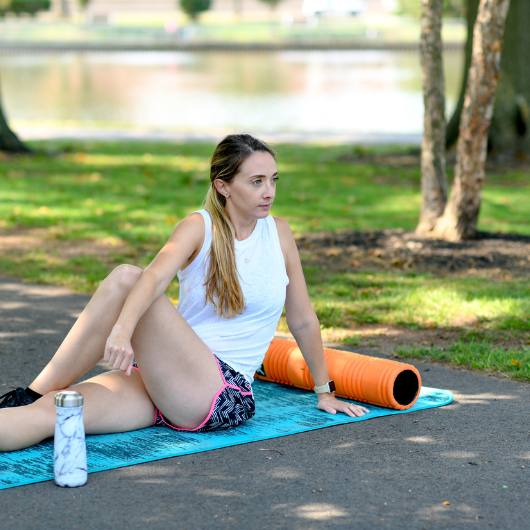
Hip Flexor Stretches: 3 Moves to Relieve and Prevent Pain
Stretching can help relieve pain and increase hip mobility. Our expert offers options for all ability levels.

Can Foods Help You Stay Hydrated?
Stay hydrated naturally! Learn how foods like watermelon and cucumbers help boost hydration. Expert tips from Robert Hildebrandt, RDN, CDCES at Southern Ocean Medical Center. Call 800-822-8905 for an appointment.