

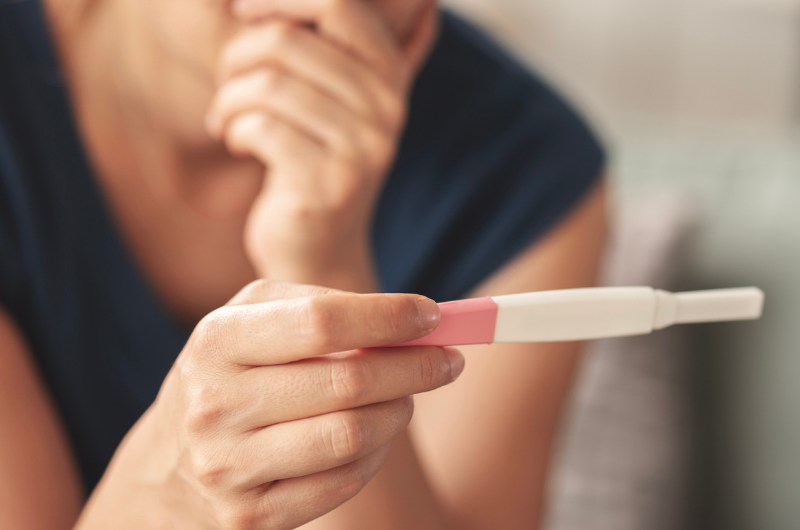
If you are hoping to conceive and either have endometriosis or suspect you might, you might be wondering if this condition could affect your fertility. The short answer? Getting pregnant with endometriosis can be challenging, but it is possible.
“Many of my patients achieve pregnancy,” says Veronica Kim, M.D., an obstetrician-gynecologist at Hackensack University Medical Center. “We work together to find the approach that gives them the best chance.”
Dr. Kim breaks down how endometriosis impacts fertility and what treatments are available to help support pregnancy.
How Endometriosis May Affect Fertility
Research shows that approximately 30 to 50 percent of women with endometriosis experience infertility. Some possible reasons for this include:
- Scarring or blockages: Endometriosis causes scar tissue, called adhesions, which can distort your pelvic anatomy. For example, it can bend or block your fallopian tubes, making it difficult for the sperm and egg to meet.
- Inflammation: Endometriosis lesions (growths that form outside the uterus) release inflammatory chemicals and immune cells into the pelvis, which could create an environment that may impair eggs, sperm and embryos.
- Reduced egg quality: Ovarian cysts called endometriomas may reduce your egg supply and impact egg quality.
- Impaired implantation: Endometriosis is linked to changes in the uterine lining.These changes may interfere with embryo implantation inside the uterus.
Despite these challenges, many people with endometriosis conceive naturally or with support from fertility specialists.
When to Seek a Fertility Evaluation
Fertility experts typically recommend an evaluation after one year of trying to conceive if you are under 35, or after six months if you are 35 or older. These timelines can shift when endometriosis is involved.
If you have known or suspected endometriosis, your OB/GYN may advise you to see a fertility specialist, called a reproductive endocrinologist, sooner.
Treatment Options That Support Your Fertility Goals
There are several different ways to treat endometriosis, depending on the severity of your symptoms and your family-building timeline. “We tailor treatment to each person’s goals, whether they want to try for pregnancy now or prepare for the future,” says Dr. Kim.
Common treatment approaches include:
- Monitoring without active treatment: Some younger patients with mild symptoms may try to conceive naturally for a set time period while their doctor assesses their progress.
- Laparoscopic surgery: This minimally invasive procedure uses small incisions and a thin camera to remove ovarian cysts and treat visible endometriosis or scar tissue. Removing endometriomas may improve fertility for some patients.
- Assisted reproductive technologies (ART): These may include intrauterine insemination (IUI) or in vitro fertilization (IVF), depending on your goals and medical history.
During IUI, you take medication that helps you release one or more eggs. At the time of ovulation, the specialist places a prepared sperm sample directly into your uterus. During IVF, the specialist retrieves your eggs, fertilizes them in a laboratory and then places an embryo into your uterus.
Many specialists recommend IVF for moderate to severe endometriosis or when other treatments have not worked.
- Hormonal therapy for symptom relief: Before you’re ready to conceive, hormonal treatments such as birth control pills, progesterone-only medication or a hormonal IUD can reduce menstrual pain and may slow the progression of endometriosis.
- Pelvic floor physical therapy: Pelvic floor physical therapists are licensed physical therapists with advanced training in the muscles and tissues of the pelvic region. They can help ease pelvic floor tension and break up scar tissue that may be contributing to infertility.
The Bottom Line
Getting pregnant with endometriosis is possible. If you’re worried about how the condition may affect your chances, contact your OB/GYN, who can help clarify your next steps. A consultation can determine whether you need additional evaluation, symptom management or a referral to a reproductive endocrinologist.
Next Steps & Resources:
- Meet our source: Veronica Kim, M.D.
- Make an appointment online with a reproductive endocrinologist, or call 800-822-8905.
- Learn more about our women’s health services.
Find a doctor near me
My Period Is Super Heavy: What's Going On?
If your period is so heavy it's affecting your life, that’s not normal. An OB-GYN shares what can cause heavy periods and when to seek help

Demystifying Your Downstairs: The Female Anatomy (with Diagrams)
A gynecologist explains the key parts of the female anatomy, clears up common misconceptions and explains why knowledge is power when it comes to your body.
When Should You Get a Mammogram? Take the Quiz
In this quick quiz, Breast Radiologist Dr. Harriet Borofsky helps explain to New Jersey women when they should get a mammogram.

How to Know if Your Hormones are Out of Balance
Feeling off? From fatigue to brain fog and irregular cycles, learn the signs of hormone imbalance and when it’s time to talk to your doctor.