
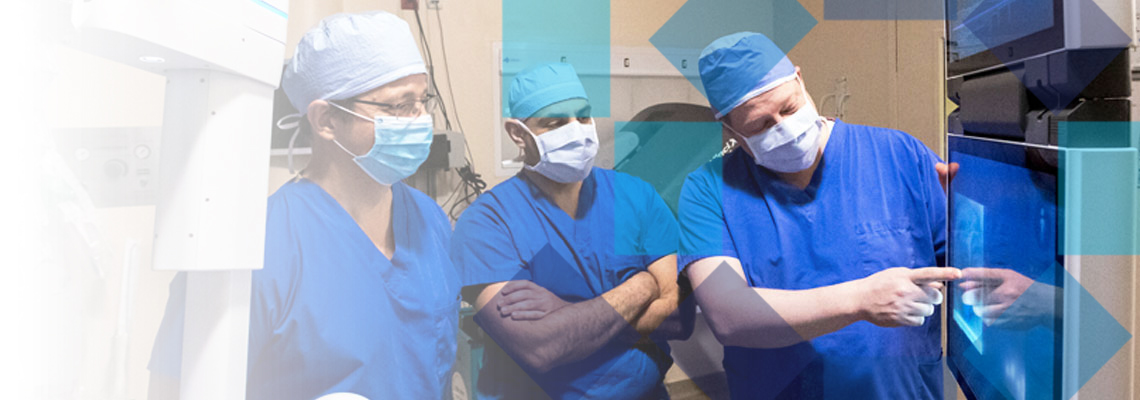
Extracorporeal Membrane Oxygenation (ECMO) Program in New Jersey
At Hackensack Meridian Health, our Extracorporeal Membrane Oxygenation Program (ECMO) provides leading-edge, lifesaving heart and lung support for critically ill patients. ECMO is available at Hackensack University Medical Center and Jersey Shore University Medical Center.
As one of the most comprehensive ECMO programs in the region, we are committed to advancing care through clinical excellence, cross collaboration, and innovation.

For Healthcare Professionals: ECMO Referrals
Hackensack University Medical Center and Jersey Shore University Medical Center serve as a regional ECMO referral and retrieval center. Learn more about referring a patient.
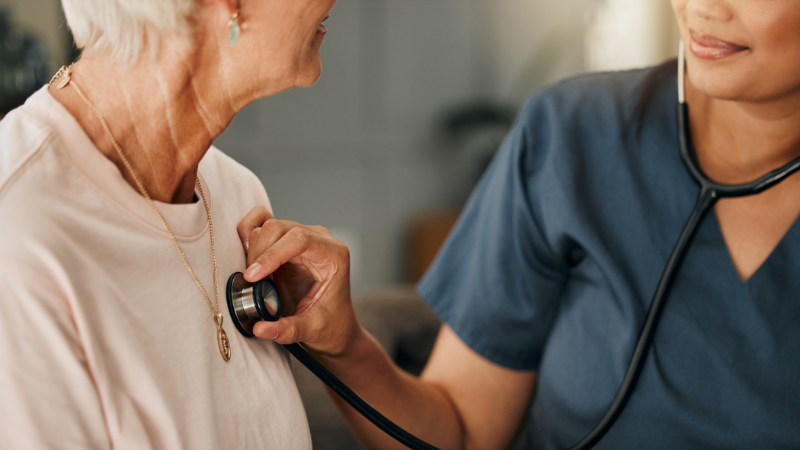
Heart Surgery Options
We're ranked one of the best hospitals for cardiology & heart surgery in the nation and use the least invasive methods to achieve the best results. Learn more.
What is ECMO?
ECMO is a life support treatment that takes over the work of the heart and lungs when they are too sick or injured to function independently. The treatment uses a machine to pump blood out of the body, add oxygen, remove carbon dioxide, and then return the blood to the patient. This gives the heart and lungs time to rest and heal.
ECMO is used in critical care situations, such as severe lung failure, heart failure, or after cardiac arrest.
Conditions We Treat With ECMO
ECMO is used to treat various conditions that affect heart and lung function. Some of the most common conditions we use ECMO to treat include:
- Acute Respiratory Distress Syndrome (ARDS): This life-threatening condition occurs when inflammation and fluid in the lungs cause low oxygen levels
- Acute hypoxemic respiratory failure: Those with acute hypoxemic respiratory failure have low blood oxygen levels because their lungs can’t provide enough oxygen to the body. It is caused by lung conditions such as pneumonia or COPD.
- Acute hypercapnic respiratory failure: This condition leads to dangerously high levels of carbon dioxide in the blood and can also cause low blood oxygen. It can be caused by COPD, pneumonia and conditions affecting the nerves and muscles.
- Cardiogenic shock: This life-threatening condition occurs when the heart can’t pump enough blood to meet the body’s demand. It can result from a heart attack or other heart conditions.
- Refractory cardiac arrest (eCPR): Refractory cardiac arrest occurs when your heart stops beating despite resuscitative efforts such as CPR and the use of a defibrillator.
- Massive pulmonary embolism: This dangerous condition occurs when a blood clot blocks pulmonary arteries and blood flow to the lungs.
- Myocarditis or post-cardiotomy syndrome: Both conditions involve inflammation of the heart. Myocarditis is caused by viral infections and autoimmune diseases, and post-cardiotomy syndrome is caused by heart trauma and surgery.
- Bridge to heart and/or lung transplant or a bridge to a durable mechanical support: In some cases, ECMO may be used for life-sustaining purposes before a heart and lung transplant or implantation of a long-term device to support heart function.
Patient Success Stories
Read inspiring stories from patients who are living life to the fullest thanks to Hackensack Meridian Health heart and lung experts.
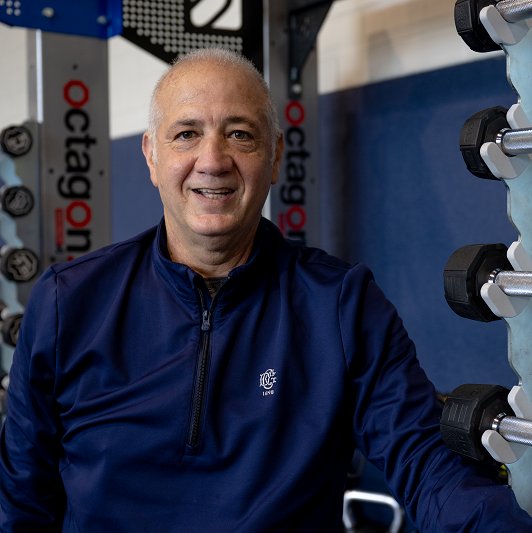
62-year-old Survives Heart Attack and Complete Artery Blockage
The cardiac team at Jersey Shore University Medical Center restored Anthony Lucia's stunned circulatory and respiratory systems after a major heart attack.

From Septic Shock to Walking Again: How Advanced ECMO Support Saved a Father's Life
Thomas Oommen experienced flu symptoms so severe that he had to be placed on life support. He required VV-ECMO therapy to add oxygen to his blood.

Oradell Woman Has Major Heart Attack
One day, Manisha Mehta was given a clean bill of health. The next, she was fighting for her life.
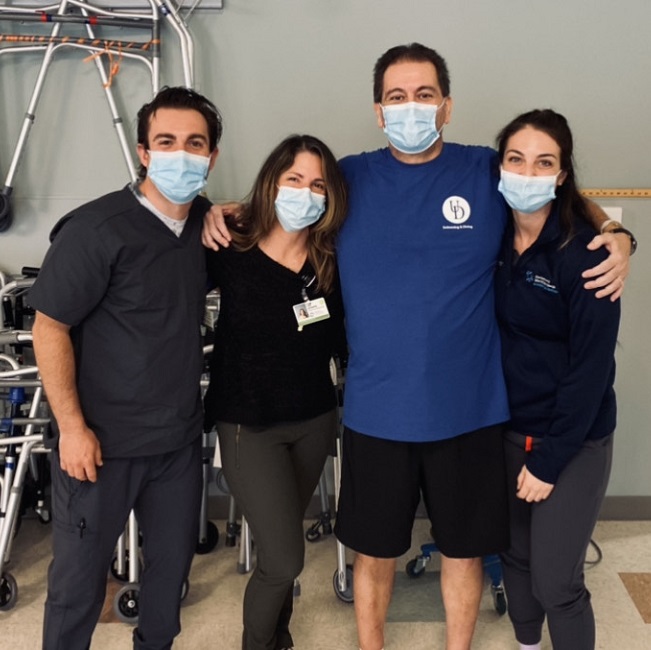
Man, 61, Makes Complete COVID-19 Recovery After 39 Days on a Ventilator
COVID-19 Recovery Story: 61-year-old Toms River man shares his journey to recovery after 39 days on a ventilator. Learn more and find hope.
Frequently Asked Questions About ECMO
Patient Resources

Are Heart Attacks Hereditary?
Heart attacks: Is it hereditary? Learn about your risk from Dr. Younan and reduce your risk with lifestyle changes. Schedule a screening today.
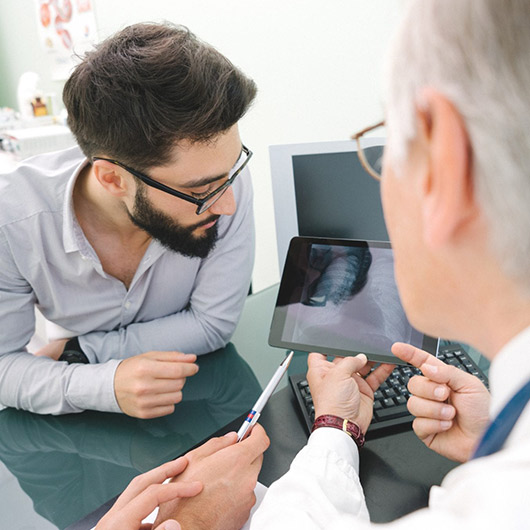
When Should You Get a Lung Cancer Screening?
Lung Cancer Screening: Learn when a low-dose CT scan is right for you. Dr. Rizk explains who should be screened and why. Schedule your appointment today.
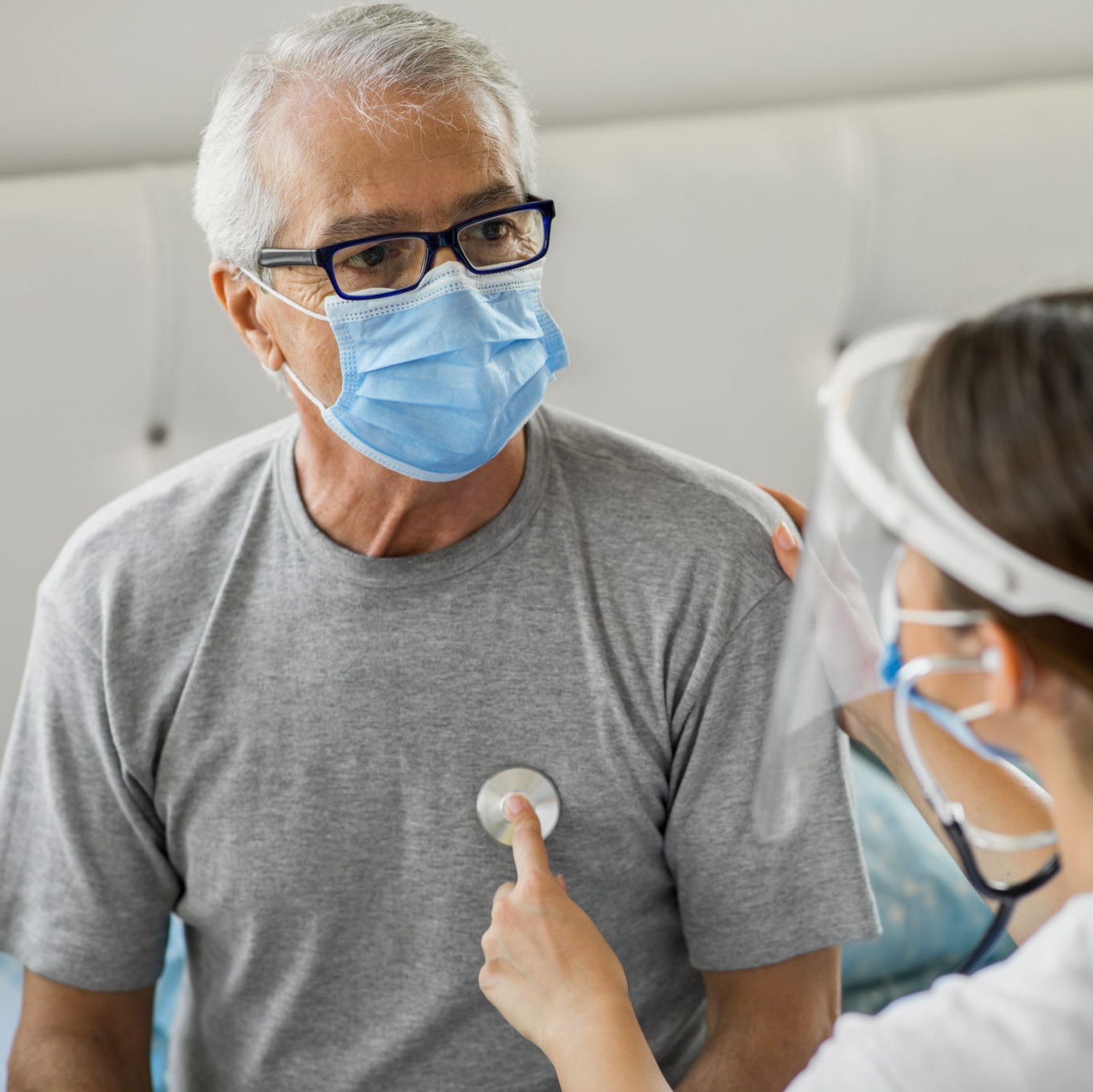
Causes of Heart Inflammation
Understand heart inflammation causes. Dr. Hollenberg explains myocarditis, pericarditis, and endocarditis. Learn about prevention and treatment. Call 800-822-8905.
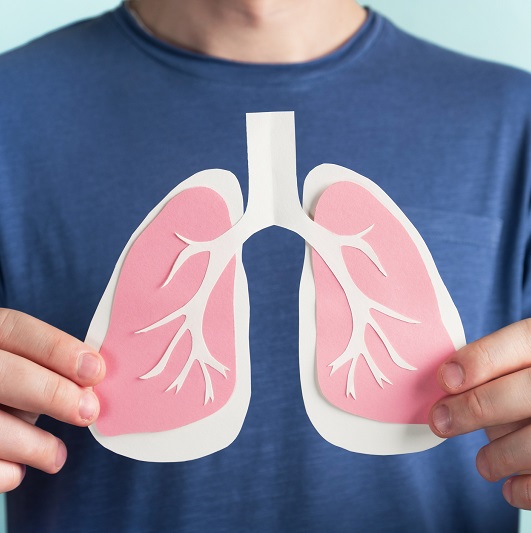
What Causes Lung Cancer in Nonsmokers?
Lung Cancer in Nonsmokers: Learn about risk factors from Dr. Spallone at Palisades Medical Center. Reduce your risk & discuss concerns with your doctor.