


Treatment for Anal and Rectal Conditions
Anal and Rectal Surgery in New Jersey
At Hackensack Meridian Health, our expert colorectal team is here to help you take control of painful, uncomfortable, or embarrassing anal and rectal issues. We offer compassionate, discreet care and advanced treatments to help you feel like yourself again.
From common conditions like hemorrhoids and anal fissures to complex diseases such as rectal cancer, our specialists diagnose and treat a wide range of anal and rectal problems. These issues can cause discomfort, bleeding, or difficulty with bowel movements—and often require expert care for relief and prevention of complications.
We offer both non-surgical and surgical options—including minimally invasive and robotic-assisted techniques—to relieve symptoms and improve quality of life. Our colorectal experts will work with you to determine the cause of your symptoms and provide a personalized care plan that fits your lifestyle and health goals.
Anal and Rectal Conditions We Treat
Hackensack Meridian Health provides expert care for a wide range of anal and rectal conditions, including:
- Abscesses and Fistulas: Infected pockets or abnormal connections between the anus and skin.
- Anal Fissures: Small tears in the anal lining that can cause pain and bleeding.
- Anal Itching (Pruritus Ani): Persistent itching often caused by irritation, infection, or skin conditions.
- Anal Warts (Condyloma): Growths caused by the human papillomavirus (HPV).
- Hemorrhoids: Swollen veins in the rectum that can bleed or cause discomfort.
- Fecal Incontinence: Loss of control over bowel movements.
- Rectal Prolapse: A condition where the rectum slips out of its normal position.
- Pilonidal Disease: Painful cysts near the tailbone that may become infected.
- Rectal Polyps and Cancer: Growths that may be benign or cancerous, requiring screening and treatment.
How We Diagnose Anal and Rectal Conditions
Our team uses advanced diagnostic tools to identify the cause of your symptoms and develop a targeted treatment plan. Diagnostic options include:
- Physical and digital rectal exams: During a physical exam, your physician will review your medical history and perform a digital rectal exam (DRE) to examine the lower rectum and anus. To perform a DRE, physicians insert a gloved, lubricated finger into the rectum through the anus to look for any abnormalities.
- Anoscopy: Anoscopy is a procedure to diagnose hemorrhoids, anal fissures, polyps and anal cancer. A thin, lighted tube called an anoscope is used to examine the lower rectum and anus.
- Sigmoidoscopy: A flexible sigmoidoscopy procedure visually examines your lower colon using a long flexible tube with a small camera attached at the end. It’s used to diagnose digestive issues such as colitis and Diverticulitis.
- Colonoscopy: Colonoscopies are outpatient procedures used to examine the large intestine. A thin, flexible tube with a camera on the end is inserted through the anus and rectum into the colon. The tube sends photos of the intestines to a large screen for surgeons to review.
- MRI or CT imaging: Your physician may recommend imaging studies to help examine your anus and rectum more thoroughly.
- Anal manometry and ultrasound: These tests determine the function and structure of the anal muscles and diagnose conditions such as fecal incontinence, chronic constipation and Hirschsprung's Disease. A small, flexible tube with an inflatable balloon is inserted into the rectum and anus to test the rectal muscles' response.
- Biopsy of abnormal tissue: Surgeons take a small tissue sample during procedures such as an anoscopy to biopsy anal or rectal tissue. They examine the tissue sample under a microscope to look for abnormalities that could indicate cancer.
How We Treat Anal and Rectal Conditions
We provide a wide range of treatment options—from conservative management to advanced surgical interventions. Our goal is to relieve symptoms, restore function, and prevent future issues.
Anal and Rectal Specialists in New Jersey
Find expert care for anal and rectal conditions at a Hackensack Meridian Health location near you.
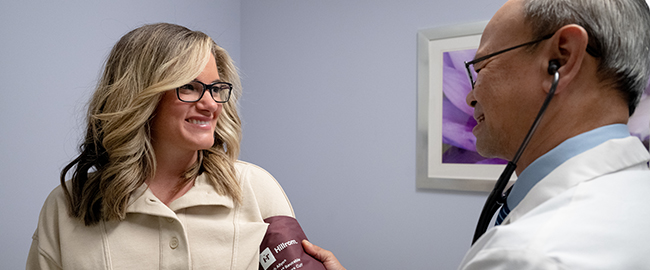
Find A Doctor
Search our network of board-certified colorectal surgeons and schedule an appointment today.

Find A Location
Browse our locations across New Jersey offering advanced treatment for anal and rectal conditions.
Frequently Asked Questions About Anal and Rectal Conditions and Procedures
Patient Resources

Am I at Risk for Colorectal Cancer? Understanding Genetic Factors and Early Detection
Worried about colorectal cancer? Learn how your genes play a role and discover early detection options, including genetic testing and screening.

Best & Worst Things For Hemorrhoids
Hemorrhoids can be uncomfortable, but you don’t have to live with them. Our specialist has advice on how to treat and prevent hemorrhoids.
Blood in Urine or Poop: Should I Worry?
Blood in urine or stool? Dr. Halari explains causes and next steps. Get expert guidance and schedule an appointment today.
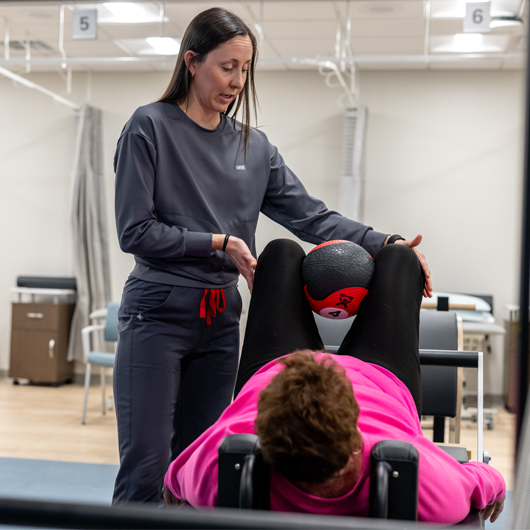
6 Reasons You May Need Pelvic Floor Rehab
Pelvic floor rehab: Find relief from incontinence, pain, and dysfunction. Learn 6 reasons why you may need PT. Call 800-822-8905 for help.