


By Brianna McCabe
Imagine always feeling empty and isolated.
For as long as you can remember, you were never gifted with feelings of normalness, love, comfortability, satisfaction or fulfillment—both from others and from yourself. And, even if someone did try to uplift you and fill you with these feelings, for some reason you didn’t feel it was something that you were worthy of accepting.
Now imagine, just for a moment, that you have an experience—whether that be from the looseness you feel after pounding back a few drinks, an out-of-body high from a drug, the euphoria of winning big at a casino or the rush that overcomes you after an impulse purchase—and suddenly, you feel alive. In your mind, you have finally found something to fill that void that has pained you for so long.
You lean on it.
Then you depend on it.
Over and over and over again.
Addiction is a complex problem and disease that affects a person’s biological, psychological, social, emotional and spiritual life in all aspects.
What are the factors that cause addiction?
Several factors can lead to addiction including a search for ways to relieve stress and injuries (such as being prescribed medications for pain relief which then turns into a dependence on opioids). There’s also the debate around nature versus nurture, and in many ways it's both.
Is there a gene for addiction that gets passed down?
Addiction is a genetic disease. In fact, the American Addiction Centers Resource (AACR) states that first-degree relatives of someone with a history of addiction are between 4 to 8 times more likely to develop problems with addiction themselves when compared to those who do not have a family member with an addiction.
If you come from a family that has addiction in it, experts warn that you should be careful as there is a likelihood you may develop an addiction yourself. However, it’s not just genetic—growing up in that environment can play an equal role.
What happens if you grow up with parents suffering from addiction?
In households of parents suffering from addiction, experts express that there’s more than likely going to be turmoil, anxiety, stress, depression and possibly some trauma associated with that upbringing.
Kids are able to pick up on the emotions and energy of the people around them. This can lead to faulty attachment issues, loneliness and depression. Kids will yearn for comfort—but sometimes they find this in the wrong things.
Is there hope if I have a family history of addiction?
Children in the family can be offered a safe space, therapy, educational resources and early intervention programs to understand the disease and try to prevent a life of active addiction.
One of the big problems, experts warn, is that some families try to hide the addict or even dismiss the disease. Addiction teaches the family three rules: don’t talk, don’t trust and don’t feel—as we must protect the family secret. By doing this, though, families don’t learn how to properly cope.
Additionally, addicted family systems often become overly focused on trying to fix the addicted person at great cost to their own health and wellbeing. “They become so enmeshed in the problem that they no longer realize that they also deserve to have a life. Everyone starts to become affected by the disease and ‘sick,’ so to speak.
With proper help and support, though, he says that there is hope and a future of recovery.
What are the signs of substance addiction?
Addiction is a progressive disease in which someone will become obsessed with his or her addiction and lose the ability to control cravings. Addiction is marked by signs and symptoms, which vary “quite substantially” by substance:
- Opioids. This class of drugs includes substances such as heroin, fentanyl and prescribed pain relievers (like oxycodone). Physically, a person might be lethargic, nodding off or have pinpoint pupils. Behaviorally, a person will experience a lack of interest of hobbies, have abrupt changes in friends, feel withdrawn, lose weight or have serious shifts in personality.
- Stimulants. When using a stimulant, such as cocaine, amphetamine or methamphetamine, a person may experience rapid heart rate, hyper-verbiage (rapid talking), loss of appetite, sweating, deceptive behavior, risky or impulsive actions or dilated pupils.
- Depressants. Often referred to as “downers,” these drugs reduce brain stimulation and can be marked by secretive behavior, mood swings, decreased social activity, periods of depression and withdrawal symptoms when not using the substance. Tranquilizers, sedatives, anesthetics and alcohol fit into this category of drug.
- Alcohol. The major sign is a change in someone’s drinking patterns. Additionally, an individual may face consequences, such as getting a DUI, feel agitated, miss appointments or scheduled events and will not be able to stop drinking. Eventually, down the line there will be medical problems related with the addiction such as liver conditions or pancreatitis.
- Inhalants. Entered into the lungs either directly (snorting) or indirectly (through paraphernalia such as rags), individuals addicted to inhalants may show signs of slurred speech, disorientation, exhaustion, drowsiness, nausea, rashes around the nose or mouth and loss of motor skills.
- Dissociatives. Perception-altering hallucinogenic drugs, such as phencyclidine (PCP) and ketamine, fall into this category. Those abusing dissociatives may show signs of immobility, numbness, slurred speech, blank stares, rapid eye movements, hallucinations and depression.
How does addiction grow?
Everything is attributed somehow to a chemical change that has been created as a result of substance abuse. And this change grows over time at a different progression rate for each individual and substance.”
For instance, an alcohol addiction can typically take years before someone seeks help and is diagnosable, whereas someone with a stimulant addiction “may end up in a very bad position, very fast.”
There are different levels of progression:
- Early. This is where you start to develop the addiction and may face one or two minor consequences, such as a person getting his or her first DUI, experiencing a first blackout or having difficulty making it to work. “
- Mid. This stage is marked by a continued substance use despite adverse consequences—which then bleeds into other areas of the individual’s life. It’s in the beginning of this stage that many experts like to ‘catch’ those experiencing an addiction.
- Late. This is when the body starts to fall apart on you despite medical conditions due to substance abuse. An addicted person does not continue using because they want to in this stage, but instead against their will.
What should I do if myself or a loved one is suffering from addiction?
Seek professional help if you or a loved one suspect substance abuse. There’s more ways now than ever to get help, and not all treatment is created equal so do your research. There’s hope and people do recover.
Carrier Clinic is a leader in specialized behavior health, mental illness and addiction treatment. Call 1-800-933-3579 for more information or to schedule an appointment.
Next Steps & Resources:
- Make an appointment online with an addiction specialist near you, or call 800-822-8905.
- Learn more about addiction recovery services at Hackensack Meridian Health.
Find a doctor near me

Helping Loved Ones Through Addiction
Some of the roughest times may be when a loved one is struggling with mental health and/or addiction issues - how do you help? Where do you start?

What to Do When Coping Skills Don’t Work
Manage anxiety and stress? Dr. Markarian offers coping skills and strategies for better emotional well-being. Find support and resources now.

Why Routines are Important for Mental Health
Maintain good mental health with daily routines. Dr. Solhkhah shares simple routines to reduce stress and anxiety. Learn more and schedule an appointment today.
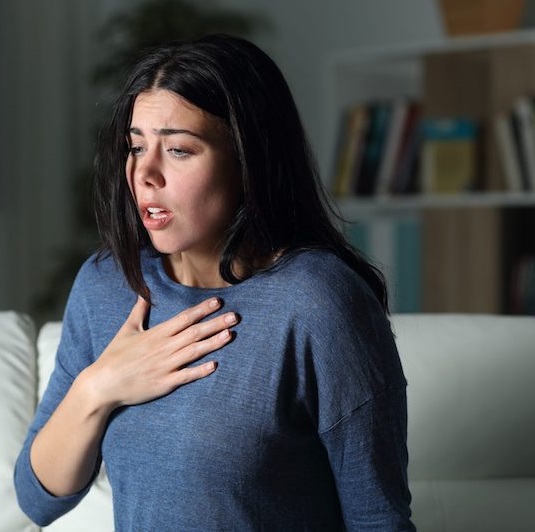
Is Shortness of Breath Anxiety, Coronavirus?
A common symptom associated with both COVID-19 and an anxiety attack is shortness of breath. Our expert shares some of the similarities and differences between the two conditions.