

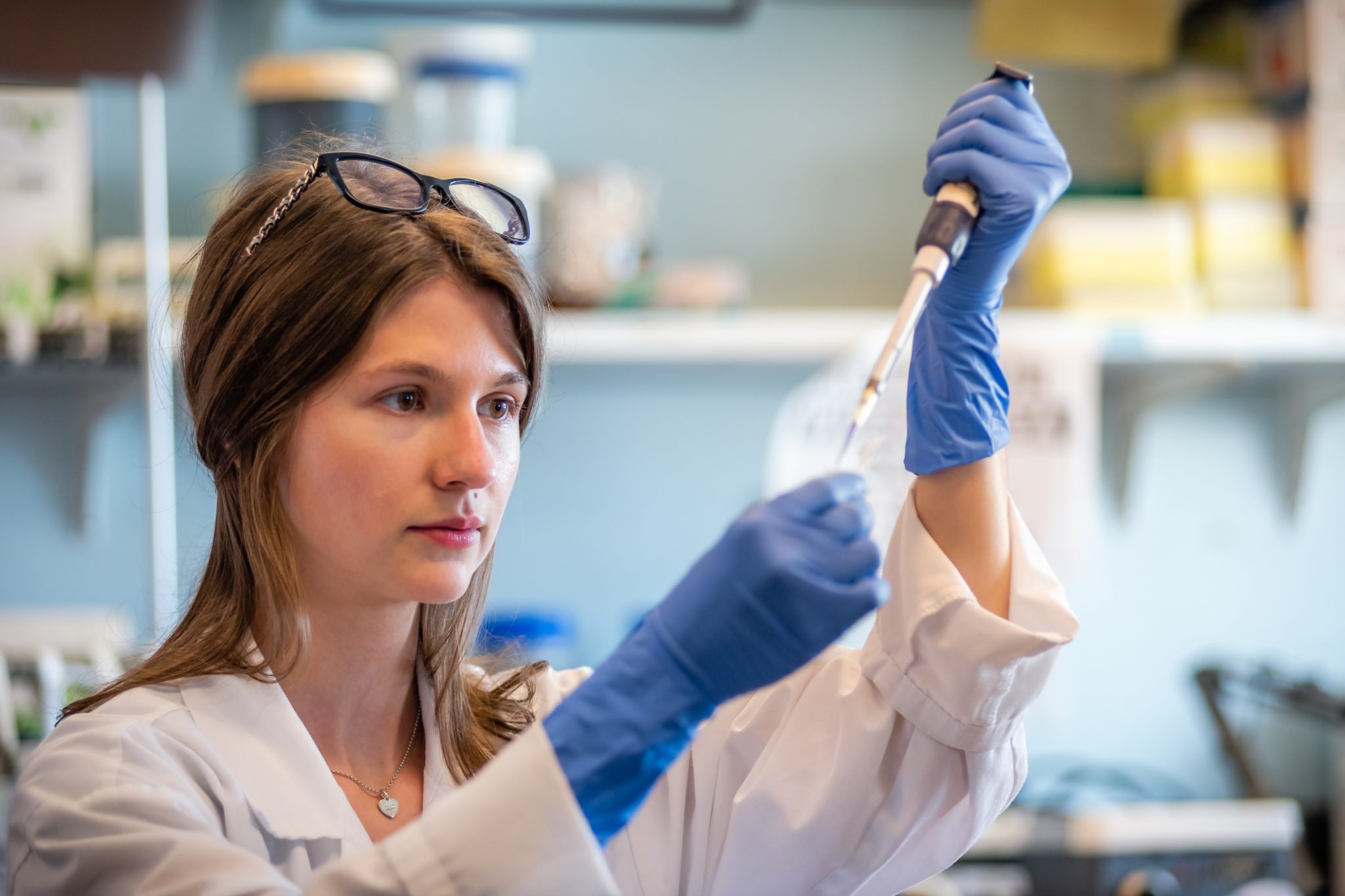
It would be difficult to find a family that hasn’t been affected by some type of cancer. But when should a family be concerned about a genetic link to cancer?
Although many people often worry that cancer present in a family can be passed down through the generations, experts says it is actually uncommon. In fact, only 5-10% of cancers are hereditary. Signs that a possible hereditary cause of cancer exists in your family include early age at onset, family members with the same cancer throughout multiple generations, or many close relatives with the same cancer.
Two Categories of Gene Mutations
The are two main categories that gene mutations fall into.
- Genes that are changed during the course of a person’s lifetime are known as somatic, or acquired, mutations. These can occur when the DNA is damaged by exposure to carcinogenic (cancer-causing) substances, such as toxic chemicals or radiation.
- Genes can have mutations or errors in their “coding” from birth, having been passed along from the germ cells (egg and/or sperm) of parents. These kinds of cancers can be characterized as hereditary cancer syndromes, and researchers have identified specific gene mutations for about 50 of these syndromes.
When several family members develop cancer, it might be because they share certain habits (such as smoking) or environmental exposures (such as pollutants in air or water). But other factors, such as the age that cancer develops or the appearance of a non-cancerous disease, might be indicators of a hereditary cancer syndrome.
How to Assess Your Risk of Hereditary Cancer
One way to assess an individual’s cancer risk is to undergo genetic testing for hereditary cancer syndromes. “These tests should be ordered by a doctor after discussing the likely benefits and drawbacks of having this information,” says Debra Camal, M.D., medical director of Breast Surgery at Riverview Medical Center. “A full family history—both maternal and paternal sides of the family—and discussion with the referring physician can help determine the need for genetic testing for any individual with cancer or from a family with cancer.”
People who opt for genetic testing should enlist the help of a genetic counselor who can help you understand the test results.
Keep in mind that the presence of a certain gene mutation is not a guarantee that cancer will occur. And people with a “clean” test can still develop cancer because of environmental factors, like cigarette smoking or exposure to chemicals like arsenic or asbestos.
Next Steps & Resources
- Meet our source: Debra Camal, M.D.
- Make an appointment online with an oncologist near you, or call 800-822-8905.
- Learn more about cancer care at Hackensack Meridian Health.
Find a doctor near me

Choosing to Keep Cancer a Secret
Facing a cancer diagnosis? Dr. Doumas offers support. Learn how sharing your diagnosis can ease stress and improve your well-being. Call 800-822-8905.
Surgery to Reduce Breast Cancer Risk
One in 8 American women will develop invasive breast cancer over the course of her lifetime. Certain factors can make someone at higher risk of developing breast cancer.
When Should You Get Screened for Colorectal Cancer? Earlier Than You Think
As colorectal cancer rises in young people, screening earlier is more important than ever. Learn when and how to get screened.

Manage Living with Chronic Illness
According to the National Health Council, 133 million Americans live with a chronic illness.