

Key Takeaways
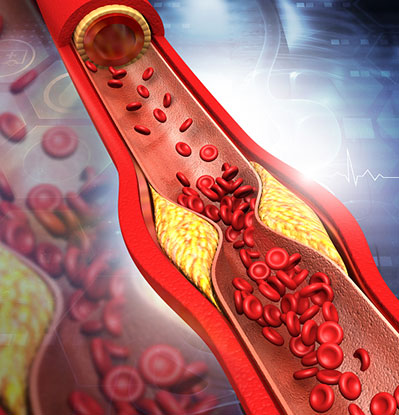
A buildup of coronary plaque, material made up of fats, cholesterol and other substances, can clog your arteries and lead to heart issues.
- Prevention: To prevent clogged arteries, eat a heart-healthy diet and get 150 minutes of exercise weekly.
- Treatment: Daily oral statin medication and non-invasive procedures such as stents and angioplasty can be used to treat clogged arteries.
- Get Care: Are you at high risk of heart disease? Consult a cardiologist: Book online | 800-822-8905.
Medically reviewed by Mindy Markowitz, M.D., Cardiologist, Hackensack Meridian Pascack Valley Medical Center.
Over time, your arteries can become clogged from the buildup of coronary plaque, a material consisting of fats, cholesterol and other substances that stick to the artery wall. This buildup prevents blood and oxygen from moving freely throughout your heart to the rest of the body.
Clogged arteries can significantly increase your risk for heart attack, heart failure and stroke. Once the buildup has developed, there is no quick solution to resolve the blockage.
What Non-Surgical Treatments Are Available?
In the past, bypass surgery was the main treatment for clogged or blocked arteries. Fortunately, non-surgical, less invasive treatments are now available.
Mindy Markowitz, M.D., non-invasive cardiologist at Pascack Valley Medical Center, describes some non-invasive treatments for clogged arteries, including:
- Statin medications: Statins are prescription medications used to lower your cholesterol. Statin medications lower your risk for heart disease and stroke.
- Angioplasty and Stents: Also referred to as a balloon angioplasty, this minimally invasive procedure opens narrowed arteries. Doctors use a catheter, a small flexible tube, to guide a balloon into place, widening the artery to encourage blood flow.
- Aspirin: Your doctor may prescribe aspirin to manage or decrease the likelihood of bleeding, heart attack and stroke.
How Can I Prevent Blocked Arteries?
The key to heart health is prevention through smart lifestyle decisions. That begins with a heart-healthy diet and avoiding foods high in saturated and trans fats.
Foods to avoid:
- Baked goods (cookies and cakes)
- Margarine and butter substitutes
- Processed and packaged foods
- High-sodium foods
- Food with added sugars
- Chips
- Sugary cereals
- Beef
- Pork
Food to eat:
- Avocado
- Olives
- Fatty fish, such as salmon
- Nuts
- Non-tropical vegetable oils, including avocado, olive and sunflower
- Whole fruits and vegetables
- Whole grains
- Lean poultry
- Herbal teas such as black tea, green tea and ginger tea
Don’t Forget to Exercise
In addition to eating healthy, it is also important to get plenty of exercise. The American College of Cardiology suggests at least 150 minutes of exercise each week—that’s about five 30-minute workouts a week.
“Just start with five minutes a day and slowly increase. Small changes today can go a long way towards a heart-healthy tomorrow,” Dr. Markowitz says. Consider low-impact workouts such as walking, riding a bike, taking the stairs at work, swimming or simply doing yard work.
Maintaining good heart health can help you sustain your overall health. Your physician is a good resource and can help you develop a plan. If you are concerned or need guidance, please reach out to your primary care provider.
Next Steps & Resources
- Meet our source: Mindy Markowitz, M.D.
- Learn more about heart care at Hackensack Meridian Health.
Find a doctor near me

Uncommon Warning Signs of Heart Disease
Learn uncommon heart disease warning signs from leading cardiologists. Recognize shortness of breath, dizziness, and more. Improve your heart health today. Call 800-822-8905.

When Is Leg Pain Serious?
Leg pain? Dr. Rockman explains when leg pain is serious, including PAD symptoms & treatments. Learn more and find a doctor.

Top Fruits and Veggies for a Healthy Heart
Jason Sayanlar, M.D., FACC, a cardiologist at Hackensack University Medical Center, lettuce know the top fruits and veggies for heart health.

6 Reasons Your Heart Rate is High
High heart rate? Learn 6 common causes from Dr. Moosvi. Understand your symptoms & find relief. Call 800-822-8905.