

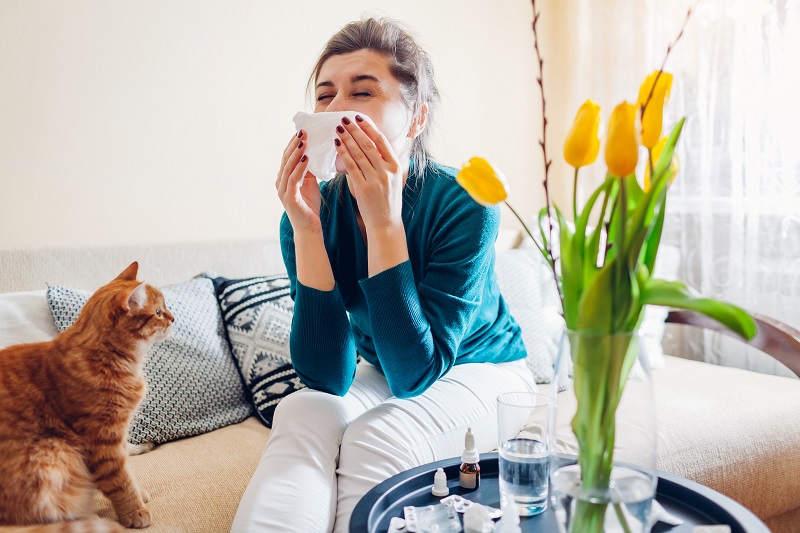
Every spring, we all embrace the frost-free days ahead. But this season also brings extra rainfall and warmer temperatures, giving common allergens like mold and pollen the perfect environment to thrive and set off various allergic reactions.
That’s why tackling spring cleaning projects is about more than just improving your home: It’s a great way to prioritize your health and keep your allergy symptoms at bay.
“One of the best ways to avoid having a reaction or dealing with the symptoms is simply reducing your exposure to allergens,” says Jared Goldfarb M.D., Ear, Nose and Throat specialist at Bayshore Medical Center, Southern Ocean Medical Center and Jersey Shore University Medical Center. “While in some cases it’s not possible to avoid them entirely, reducing contact is helpful.”
Here are some allergy-prevention tips to keep in mind when spring cleaning this year.
1. Dust Everything
“Dust is a collection of contaminants such as dust mites, skin cells, bacteria, pollen, pieces of plastic and more unpleasant things that we should limit our exposure to,” says Dr. Goldfarb.
- Use a microfiber cloth to ensure particles are trapped.
- Wipe all countertops and shelves.
- Remove dust hiding in nooks like ceiling fans, exhaust fan covers and tops of cabinets.
- Give carpets and fabric furniture (even your mattress) a thorough vacuuming.
- Wear a mask to prevent a reaction while cleaning.
2. Stop Mold from Growing
Mold thrives in warm, damp environments, making showers, sinks, bathtubs and toilets a hotspot.
- Clean moldy areas with soap and warm water.
- Replace moldy items like carpets, insulation or drywall that can’t be washed.
- Jump on home maintenance projects, such as fixing leaks, which can help prevent mold growth.
3. Listen to Your Body
Everyone’s body is different, and reactions to allergens will vary, affecting how you clean your home.
- If dust and pollen are the primary issues, keep your windows closed to ensure outdoor allergens stay there.
- If mold is the primary issue, open windows to air out your home.
Next Steps & Resources:
- Meet our source: Jared Goldfarb M.D.
- Make an appointment online with Dr. Goldfarb or a doctor near you, or call 800-822-8905.
Find a doctor near me
Can You Develop Allergies as an Adult?
Adult-onset allergies? Learn why they develop and how to manage symptoms from Dr. Ravell. Get expert advice and treatment options. Call 800-822-8905.
Spring is in the Air: Managing Your Spring Allergies
Spring is in the air, and so are seasonal allergens. Here are some tips and precautions you can take to enjoy outdoor activities this spring.
Are You Experiencing Allergies or a Cold?
Allergic or cold symptoms? Learn how to tell the difference from Drs. Cai, Lee, & Mezic. Find relief; call 800-822-8905.

Reducing Allergy Symptoms
If you suffer from seasonal allergies, being outside can trigger sneezing, itchy eyes and hives.