

Key Takeaways
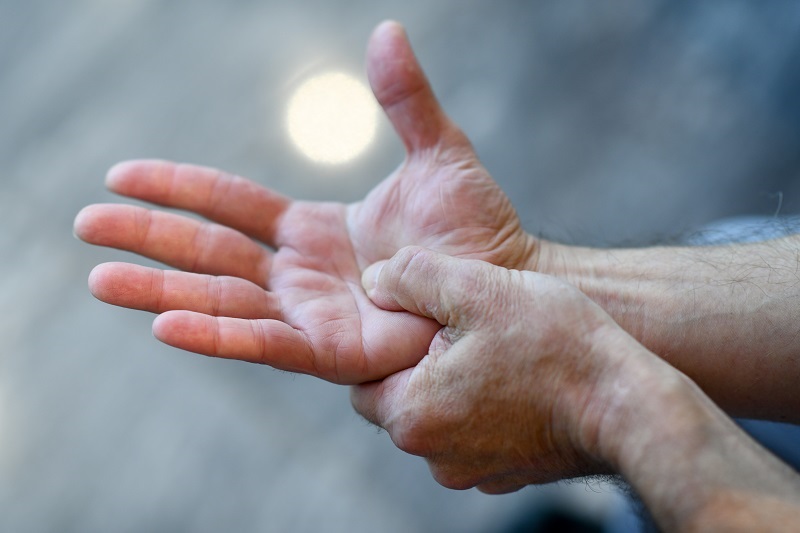
The three most common causes of hand pain without injury are arthritis, trigger finger and carpal tunnel.
- Symptoms: People with common hand conditions may experience pain, stiffness and numbness in their fingers and hands and have difficulty grasping objects.
- Treatment: Hand pain is often treated with over-the-counter pain medication, bracing, cortisone injections, physical therapy and in some cases surgery.
- Get Care: Don’t live with hand pain. Consult a hand surgeon: Book online | 800-822-8905.
Medically reviewed by Christopher Doumas, M.D., Hand Surgeon, Hackensack Meridian Jersey Shore University Medical Center.
Updated October 20, 2026
If you accidentally slam a door on your hand, it isn’t surprising when it hurts. But hand pain without a known cause can be confusing.
There are several common causes of hand pain that aren’t associated with an injury or other condition. Paying close attention to your symptoms may help you determine the exact cause of the pain.
“Not all hand pain feels exactly the same,” says Hackensack Meridian Jersey Shore University Medical Center Hand Surgeon Christopher Doumas, M.D. “You may narrow down its origin by analyzing the pain and its risk factors.”
Common Causes of Hand Pain
There are different reasons why you may experience hand pain without an injury.
Three common causes include:
- Arthritis
- Carpal tunnel syndrome
- Trigger finger, or stenosing tenosynovitis
Read on to find out more about each condition.
Arthritis Pain
Inflammatory joint pain can cause arthritis anywhere, including your hands. The two most common types of arthritis are osteoarthritis and rheumatoid arthritis:
- Osteoarthritis: commonly associated with aging, leads to pain because joint cartilage wears down. Without cartilage cushioning the joints, bone may rub on bone, causing painful inflammation.
- Rheumatoid arthritis: an autoimmune disease that causes pain because tissue lining the joints becomes inflamed.
People with arthritis may experience pain when they:
- Bend or straighten their fingers
- Perform repetitive motions
- Grasp an object tightly
- Spend time outside during cold weather
Possible treatments include:
- Oral medication or injections to relieve arthritis pain
- A splint that allows the hand joints rest
- Keeping your hands active helps to prevent stiffness, inflammation and additional pain
- Physical therapy to improve joint flexibility and range of motion
- Surgery if other treatments aren’t effective
Carpal Tunnel Syndrome
Another common cause of hand pain is carpal tunnel syndrome. This condition occurs when inflammation or injury narrows the carpal tunnel, a small passageway in your wrist, and compresses a nerve housed there that provides sensation to your hand.
You can have carpal tunnel syndrome in one or both hands.
Repetitive hand motions, awkward sleep positions or wrist trauma can cause carpal tunnel syndrome.
People with carpal tunnel syndrome may experience hand discomfort, such as:
- Pain, which may worsen at night
- Numbness
- Tingling
- A burning sensation
- Muscle weakness when grasping objects
- Swollen fingers
Possible treatments for carpal tunnel syndrome include:
- Oral or injectable anti-inflammatory medication to reduce swelling
- Wearing a splint to keep the wrist in a neutral position
- Adopting ergonomic changes to avoid making repetitive movements that lead to wrist inflammation
- Physical therapy, to learn how to stretch and exercise the wrists and hands
- Surgery, as needed, to widen the carpal tunnel, eliminating nerve compression
Trigger Finger
Trigger finger, formerly known as stenosing tenosynovitis, is a condition in which your thumb or finger becomes stuck in a bent position, and then suddenly snaps back to straight, perhaps named after the motion of pulling a trigger and then releasing.
“There are tendons that control your finger’s movement, and trigger finger happens when those tendons become inflamed and those pathways narrow,” says Dr. Doumas.
Symptoms of trigger finger can include:
- Stiffness in the affected finger
- Popping or clicking when moving the affected finger
- Difficulty extending or flexing the affected finger
“It’s important to seek treatment for trigger finger, as leaving it untreated can lead to permanent stiffness or difficulty using that finger,” says Dr. Doumas. “Your treatment will depend on the severity of the condition – sometimes rest, splinting and over-the-counter pain relievers do the trick, but more severe cases could require steroid injections.”
Next Steps & Resources
- Meet our source: Christopher Doumas, M.D.
- Make an appointment online with an orthopedist near you, or call 800-822-8905.
The material provided through Healthier You is intended to be used as general information only and should not replace the advice of your physician. Always consult your physician for individual care.
Should I Stop Cracking My Knuckles & Back?
Stop cracking your knuckles & back? Learn why from Drs. Katt & Lopez. Avoid joint pain; get expert advice. Call 800-822-8905.
Partial vs. Full Knee Replacements
Partial vs. Full Knee Replacements: Dr. Cahill explains the differences and helps you find the best knee surgery option. Call 800-822-8905 to learn more.

Why Do Your Knees Hurt When You Squat?
Knee pain when squatting? Learn why from Dr. Russoniello and find relief. JFK University Medical Center offers expert care. Call 800-822-8905.
Hip Replacements: What to Expect
Hip Replacement: Understand what to expect. Learn about the procedure, recovery, and Dr. Theosmy's expertise. Schedule your appointment today.