

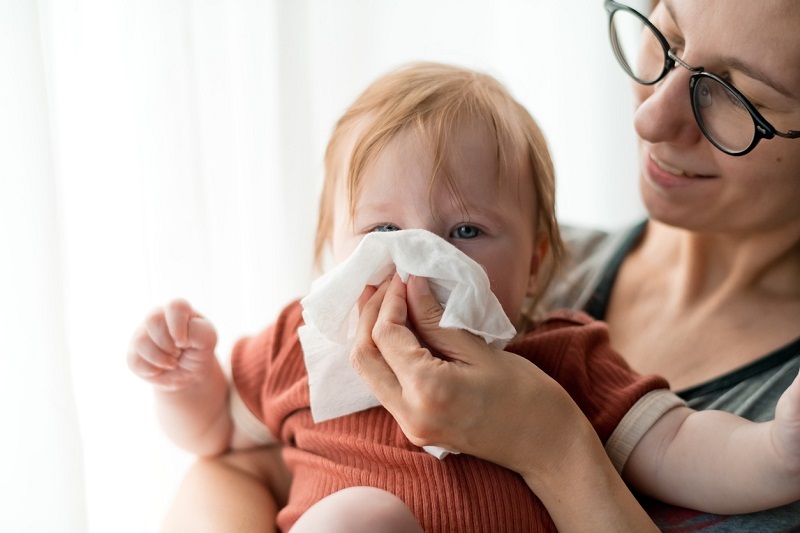
While seasonal allergies are rare in children under age 4, they can develop them at any age.
“Allergies to environmental factors typically develop after a few years of exposure. Therefore, other causes of nasal and ocular symptoms should always be considered in children under the age of 2 years,” says Juan Ravell, M.D., division chief of allergy and immunology at Joseph M. Sanzari Children’s Hospital at Hackensack University Medical Center.
Allergies may be seasonal or year-round:
- Outdoor allergens such as pollen cause seasonal allergies
- Indoor allergens such as dust mites, mold spores and animal dander, which may cause year-round symptoms
“Most children first develop an allergy to allergens that are continually present in the environment, such as dust mites and animal dander. Allergies to pollen and other seasonal allergies most commonly develop later in life, usually after at least two seasons of pollen exposure,” says Dr. Ravell.
Seasonal allergies can affect anyone from old to young, and people can develop allergies at any age. But for parents, it can be especially difficult and frustrating to help their baby experiencing seasonal allergies.
"While most children don't develop seasonal allergies until age 4 or 5, it's possible for children to develop them at any age," says Dr. Ravell. "Babies aren't old enough to blow their own noses, and we're limited in the medication we can give them to relieve their symptoms, so it can be especially frustrating. But parents still have steps they can take to make their baby more comfortable and keep symptoms under control."
How to Relieve Seasonal Allergies
For parents of babies with seasonal allergies, Dr. Ravell offers five strategies to help.
- Keep windows and doors closed to reduce exposure to outdoor allergens. Allergens such as pollen can enter through open windows and doors, which can irritate a baby's sensitive nasal passage and trigger an allergic reaction," says Dr. Ravell. "That can lead to uncomfortable symptoms like sneezing, runny nose and watery eyes."
- Regularly clean the baby's bedding and other items. Ensure your baby's bedding, stuffed animals and carpets in their room are regularly washed and/or vacuumed to keep those items free of allergens that can cause symptoms.
- Use an air purifier or invest in a HEPA filter. Purifiers and filters are designed to remove allergens, such as ragweed, pollen and other small particles, from the air. "This will make it easier for your baby's sensitive nose to breathe and help reduce their allergy symptoms."
- Talk with your pediatrician about over-the-counter medications to relieve symptoms. For children 2 years old or older, your doctor can recommend oral antihistamines or nasal sprays that are available in children's dosages. "For children under age 2, it's important to not give them medication intended for older children," Dr. Ravell says. "But for nasal symptoms, parents can use saline drops or a suction bulb to help their baby."
- Get in the habit of taking off shoes while indoors. "Without even realizing it, we can easily track in allergens, such as pollen and mold, on our shoes," says Dr. Ravell. "If you have carpet, those organisms can survive in your home and build up over time."
How to Know if Your Baby Has Seasonal Allergies
Seasonal allergies get worse during certain seasons of the year. Seasonal allergy symptoms in children are similar to adult symptoms:
- Runny or stuffy nose
- Sneezing
- Watery and itchy eyes
If your child is experiencing these symptoms, and they get worse during allergy season, talk with your pediatrician about what you can do to help them.
In addition, allergies are often hereditary. "If one or both parents have seasonal allergies, it is much more likely that their child will experience seasonal allergies," says Dr. Ravell.
Next Steps & Resources:
- Meet our source: Juan Ravell, M.D.
- To make an appointment with a pediatrician or allergist near you, call 800-822-8905 or visit our website.
- Learn more about allergy and immunology services at Hackensack Meridian Health.
Find a doctor near me
Can You Develop Allergies as an Adult?
Adult-onset allergies? Learn why they develop and how to manage symptoms from Dr. Ravell. Get expert advice and treatment options. Call 800-822-8905.

Reducing Allergy Symptoms
If you suffer from seasonal allergies, being outside can trigger sneezing, itchy eyes and hives.
Are You Experiencing Allergies or a Cold?
Allergic or cold symptoms? Learn how to tell the difference from Drs. Cai, Lee, & Mezic. Find relief; call 800-822-8905.
Can Allergies Cause Dizziness?
Allergies causing dizziness? Dr. Younus explains causes and treatments. Find relief; call 800-822-8905.