


If you’ve experienced a stress fracture, no doubt you’re anxious to return to physical activities and exercise. But if you rush into activity too soon, you run the risk of re-injury. Gary Panagiotakis, D.O., chief of Physical Medicine and Rehabilitation at Hackensack University Medical Center, offers insight on when you may be able to safely return to activity after a stress fracture.
When Can Activity Resume?
“Full return to sport in a low-risk site can take six to eight weeks,” Dr. Panagiotakis says. But when you can resume activities varies greatly depending on these factors:
- Where you have a stress fracture. Stress fractures in the feet and legs will heal faster than those in the hip or spine. For these higher-risk sites, Dr. Panagiotakis says, “an orthopedic or sport medicine consultation should be obtained to establish a plan moving forward.”
- How long you’ve had the fracture. It’s not uncommon for people to feel sore after a workout, but ignoring consistent pain can lead to stress fractures—causing more damage and taking significantly longer to heal.
- Amount of pain you’re experiencing. “Use pain as a guide,” Dr. Panagiotakis says. “Return of pain is typically a telltale sign of returning too quickly.” Other signs may include altered biomechanics, such a limp or poor form.
How to Return to Activity?
After you’ve been diagnosed with a stress fracture, you’ll go through a series of stages to get back to your previous activity level.
Stage 1: Focus on Non-weight-bearing
In this stage, you will need to work to stay below your pain threshold. “Initial protection of the fracture site may include non-weightbearing with crutches or using braces to support the bone,” says Dr. Panagiotakis. It is important to be honest about pain levels because pushing through the pain can make the overall injury worse.
Stage 2: Modify Exercise
While you might not be able to do your normal activity, Dr. Panatiotakis says, “activity modification is important to maintain overall fitness level and prevent deconditioning.” Once you are experiencing less pain, you can do different forms of exercise such as using an elliptical or swimming to keep active while allowing your stress fracture to heal.
Stage 3: Slowly Introduce Normal Exercise/Movement
When you return to normal exercise, you will need to do so slowly and mindfully. At first, you will need to reduce intensity and duration. “As the bone heals, pain will decrease, and activity/exercise tolerance will increase,” Dr. Panagiotakis says.
Next Steps & Resources:
- Meet our source: Gary Panagiotakis, D.O.
- Make an appointment online with a rehabilitation specialist near you, or call 800-822-8905.
- Learn more about our rehabilitation services.
Find a doctor near me

Should I Stop Cracking My Knuckles & Back?
Stop cracking your knuckles & back? Learn why from Drs. Katt & Lopez. Avoid joint pain; get expert advice. Call 800-822-8905.
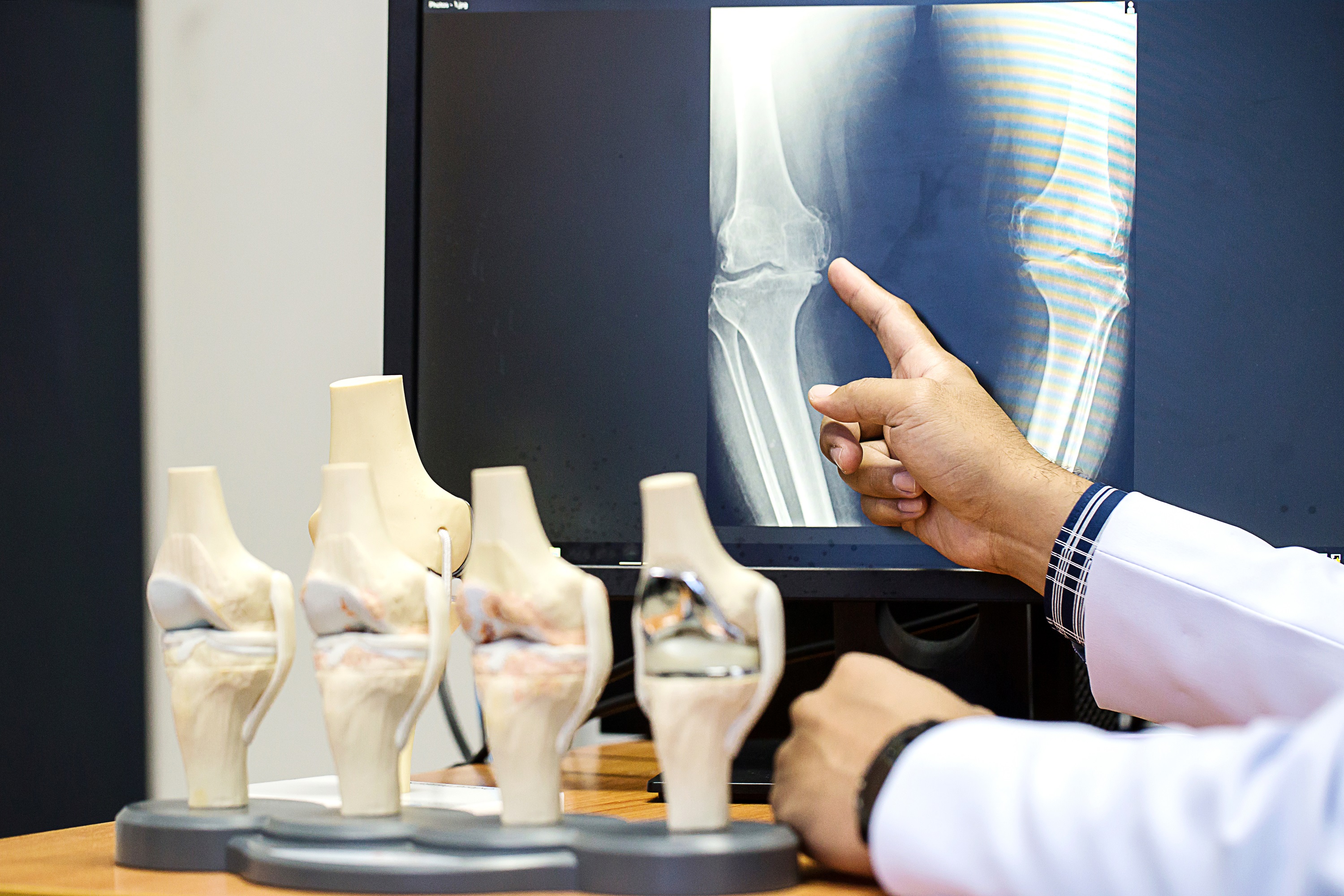
Partial vs. Full Knee Replacements
Partial vs. Full Knee Replacements: Dr. Cahill explains the differences and helps you find the best knee surgery option. Call 800-822-8905 to learn more.

Why Do Your Knees Hurt When You Squat?
Knee pain when squatting? Learn why from Dr. Russoniello and find relief. JFK University Medical Center offers expert care. Call 800-822-8905.

Are Massage Guns Good for You? A PT Explains
Learn if massage guns benefit you. A physical therapist explains proper use, benefits, and when to avoid them. Schedule an appointment today.