

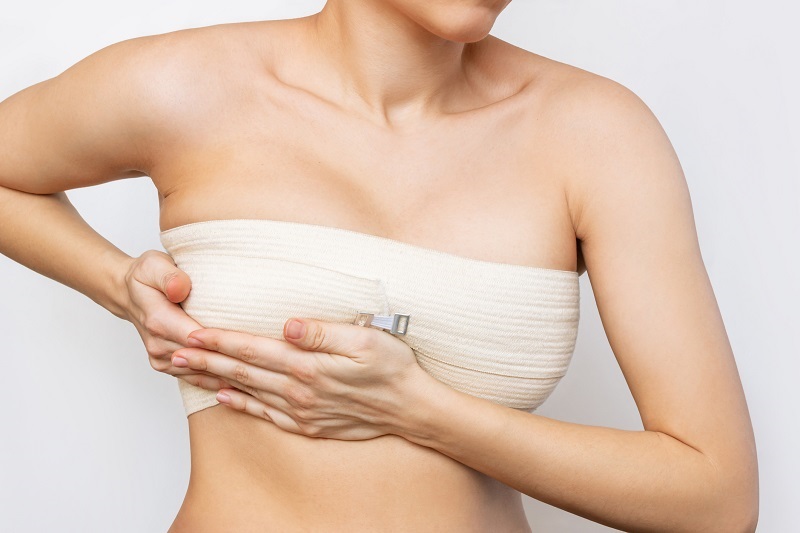
The goal of breast augmentation is to increase breast size and/or enhance breast shape. The most common method of augmentation is breast implants, but there is another option called fat transfer.
Asaad H. Samra, M.D., a plastic surgeon at Bayshore Medical Center, weighs in on fat transfer and why it might be right for you.
What is breast augmentation with fat transfer?
“Breast augmentation with fat transfer is a procedure where the breast is enhanced by using fat that is taken from a different part of the body, rather than implants,” Dr. Samra says. This process can be done in conjunction with breast implants as well.
How does fat transfer work?
After an initial consultation, you will have two procedures done in the same setting. Fat will be collected from pre-identified areas of the body, such as abs, flanks or thighs. The fat will then be injected into the breasts.
“Recovery is usually easier because the chest muscles aren’t being manipulated,” says Dr. Samra. But you may have several small incisions from the fat collection.
In an implant augmentation, implants are usually placed underneath the pectoral muscle, which adds more post-operative discomfort both due to manipulation of the muscle as well as the need to accommodate (stretch) over the implant.
What are the pros and cons of fat transfer?
Like any procedure, there are benefits and risks that need to be considered when making a decision on breast augmentation.
Pros include:
- Two procedures at once: Because fat transfer takes fat from your own body, you will experience some body contouring, along with increasing breast size.
- Lifelong results: Since the fat is from your own body, the results are lifelong and don’t require extra maintenance or monitoring. However, Dr. Samra says, “While the results of fat transfer are technically lifelong, cells do age and change with time.”
- More natural appearance: Using real body fat gives a more natural-looking outcome than inserting a completely man-made product.
- Lower risk of infection: Surprisingly, there is a lower risk of infection with fat transfer. Although there’s multiple incisions, they are all extremely small and thus less likely to have issues.
Cons include:
- Fat loss: “When fat is harvested from the body, those cells become oxygen-starved,” says Dr. Samra. “When they are reinjected into the body, they will attempt to reestablish an oxygen connection. If they are unable to do so, they die.” The amount of fat cells that die can range anywhere from 30–50%, so full results won’t be known for 4–6 months.
- Multiple procedures due to fat loss: If the fat loss is significant, you may need additional surgeries to achieve the desired results.
- Uneven fat loss: Fat loss may be more significant in one breast than the other, leading to an asymmetrical appearance that may require more procedures to correct.
Who should consider fat transfer?
Dr. Samra says the ideal candidate:
- Wants a small to moderate increase in breast size
- Has extra fat that can be transferred
- Wants to target a particular part of the breast (fat transfer can be more customizable than implants)
- Isn’t seeking a rounded look to the breasts
“The safety of fat transfer versus implant procedures is about the same,” says Dr. Samra. “The choice comes down to desired outcome and having transferable fat.”
Next Steps & Resources:
- Meet our source: Asaad H. Samra, M.D.
- To make an appointment with a plastic surgeon near you, call 800-822-8905 or visit our website.
- Learn more about our plastic surgery services.
Find a doctor near me
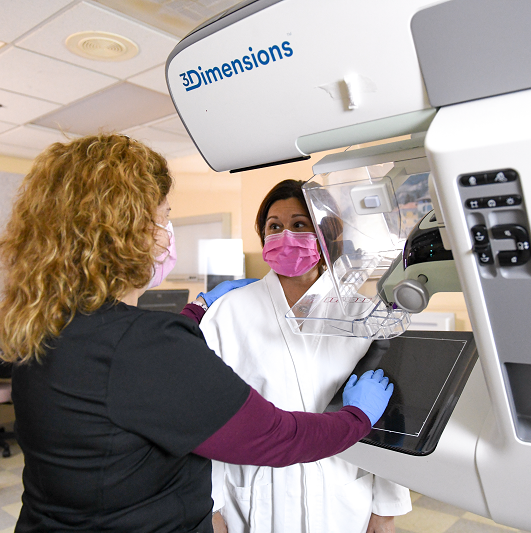
What Happens During a Mammogram?
Mammogram preparation and procedure. Learn what to expect, Dr. Graham's advice, and preparation tips. Schedule your mammogram today.

3 Myths About Breast Cancer, Debunked
Debunk breast cancer myths. Dr. Tammaro dispels common fears and offers advice for reducing risk. Learn more & schedule an appointment.
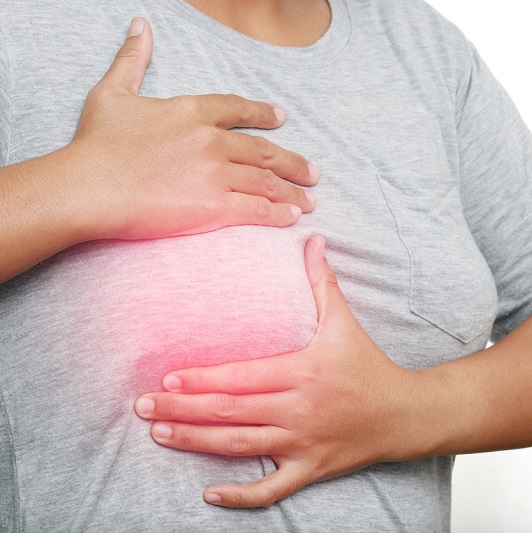
Are Cancerous Breast Lumps Painful?
Painful Breast Lumps? Learn what cancerous tumors feel like from Dr. Graham. John Theurer Cancer Center offers screenings and expert care. Schedule your appointment today.
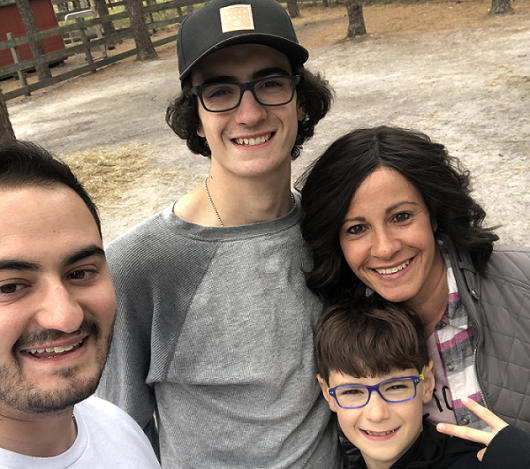
Support System Helps Woman Thrive During Triple-Negative Breast Cancer Treatment
With the guidance of her medical team and help from her family and friends, Jess Wilkinson navigated chemotherapy, surgery, and reconstruction with a positive mindset.