

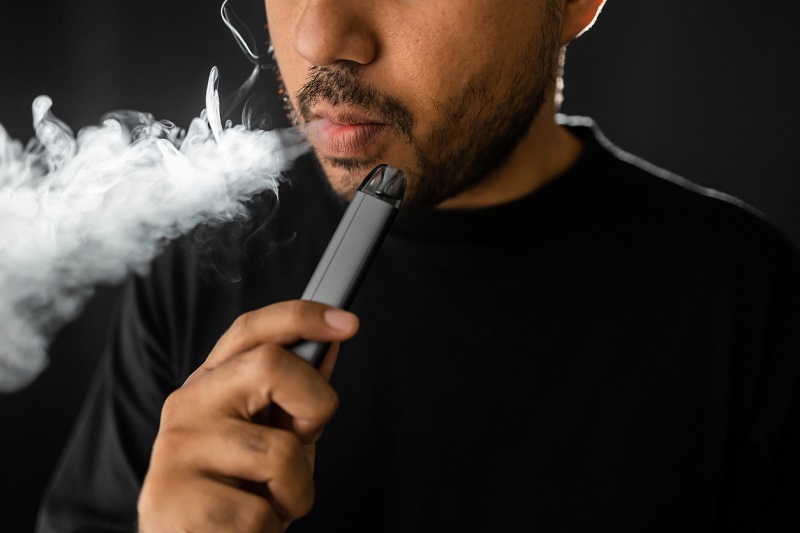
In 2014—just seven years after they entered the U.S. market—e-cigarettes or vapes became the most used tobacco product among teens and young adults.
Initially, vapes were marketed as safer than traditional cigarettes, but studies have shown that 99 percent of vapes contain nicotine, and some vaping products even provide higher doses than traditional tobacco. Despite these risks, the number of younger people vaping continues to grow—but so does the number that wants to quit.
Our expert John Villa, D.O., pulmonologist at Hackensack University Medical Center, weighs in with these five tips to quit.
1. Motivate Yourself to Quit
“You need to be ready to quit,” says Dr. Villa. You need to want it for yourself. If you aren’t ready and committed, it won’t work.
2. Choose a Quit-by-Date
Select a date by which you intend to stop vaping. “Hopefully this is within two weeks of deciding you are ready to quit,” says Dr. Villa. The key is to select a date that gives you time to prepare—but too far out that you might change your mind and or lose motivation.
3. Prepare Yourself to Quit
Once you’ve chosen your stop date, prepare a plan to help you stay on track. “Initially, quitting is very hard, so it’s important to break all the connections and have a plan,” says Dr. Villa.
Your plan should:
- Identify triggers. List the specific people, places, activities and things that may make you feel like vaping. Devise ways to avoid these triggers.
- Find alternatives. Through this process, you will experience cravings. These cravings will only be temporary, but they can be intense. So create a list of alternate activities you can do when you do experience a craving. This will distract you and help the craving pass more quickly.
- Consider anicotine replacement. If your vaping product has nicotine in it, it may be beneficial to use a nicotine replacement. Talk with your doctor to see if nicotine replacement may be right for you and what product would work best.
4. Find Support to Help You Quit
When you are ready to quit, tell your friends and family of your plan. Your loved ones can be a huge asset on your journey to quit. For those people who are not supportive of your resolve, you may need to distance yourself to avoid triggers and difficult cravings.
Additionally, professional support is a powerful resource. “I strongly recommend working with a medical team. Counseling is key and can help you through the day-to-day issues you may face when trying to quit,” says Dr. Villa.
5. Find Ways to Destress
Many people vape to manage stress. Finding alternate ways to destress, such as exercise and meditation, can increase your success rate.
Quitting is hard and may take a few tries to achieve, but be kind to yourself and remember you are not alone. “Your team will always be there to help you every time you try to quit,” says Dr. Villa.
Next Steps & Resources:
- Meet our source: John Villa, D.O.
- To make an appointment with a pulmonologist near you, call 800-822-8905 or visit our website.
- Learn more about our Tobacco Quit Center.
Find a doctor near me
If You Smoke or Vape, COVID-19 Is Another Reason To Quit
Because COVID-19 attacks the lungs, those who vape or smoke are at a greater risk for severe illness.

When Should You Get a Lung Cancer Screening?
Lung Cancer Screening: Learn when a low-dose CT scan is right for you. Dr. Rizk explains who should be screened and why. Schedule your appointment today.
What Happens to Your Body After You Quit?
It isn't difficult to rattle off numerous reasons why quitting smoking is the most important health decision you will ever make.

The Signs of Vaping Lung Disease
Vaping lung disease symptoms? Learn signs like cough, shortness of breath from Drs. Awad & Awan. Get care at Bayshore Medical Center. Call 800-822-8905.