

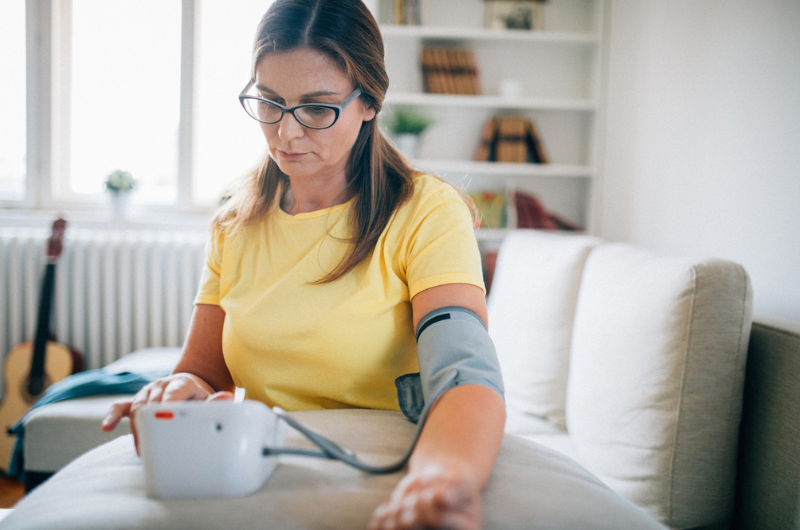
Blood pressure is a vital indicator of your overall health. It's the force exerted by circulating blood against the walls of your arteries. Abnormal blood pressure that is either too low or too high can lead to serious health issues.
How to Read Blood Pressure
Blood pressure is measured in millimeters of mercury (mmHg) and is recorded as two numbers: systolic and diastolic.
The systolic number (displayed on top) represents the pressure in your arteries when your heart beats. Meanwhile, the diastolic number (displayed on the bottom) measures the pressure in your arteries when your heart rests between beats.
A standard blood pressure reading may look like this: 120/80 mmHg. The first number, 120, is the systolic pressure and the second, 80, is the diastolic pressure.
What Is a Healthy Blood Pressure?
Regular monitoring is key to properly classifying and controlling blood pressure. Blood pressure categories help patients and doctors understand the risk levels associated with various readings. This can help guide recommendations for interventions and lifestyle adjustments.
- Normal Blood Pressure: Less than 120/80 mmHg
- Elevated Blood Pressure: 120-129 systolic and less than 80 diastolic
- Hypertension Stage 1: 130-139 systolic or 80-89 diastolic
- Hypertension Stage 2: 140 or higher systolic or 90 or higher diastolic
Maintaining blood pressure within the normal blood pressure range can reduce your risk of heart disease and stroke.
Blood Pressure and Age
As you age, your blood pressure tends to increase due to changes in your arteries and cardiovascular system structure. Regular monitoring can help manage blood pressure and hypertension as you age.
How to Lower Blood Pressure
If you have high blood pressure, working to lower it is an essential step in reducing the risk of heart disease, stroke and other health complications associated with hypertension.
Achieving a healthier blood pressure involves making lifestyle changes and, in some cases, incorporating medication a health care provider prescribes. While medication can be an effective tool, you can significantly influence your blood pressure by adopting the following habits:
- Eat a balanced diet. Lower your sodium intake and avoid processed foods.
- Exercise regularly. This helps lower blood pressure with strength and aerobic exercise.
- Maintain a healthy weight. This helps lower blood pressure and reduce your risk of developing high blood pressure.
- Manage stress. Use relaxation techniques like yoga to prevent sustained elevated blood pressure.
- Avoid smoking and using tobacco. This helps prevent high blood pressure and other cardiovascular conditions.
- Limit alcohol and caffeine. Both substances can elevate blood pressure when frequently consumed.
Next Steps & Resources
- To learn about heart care at Hackensack Meridian Health, visit our website.
- Schedule a cardiovascular screening today.
Find a doctor near me

Does Alcohol Raise Your Blood Pressure?
Alcohol's effect on blood pressure: Learn how much alcohol impacts your health from Dr. Sealove. Lower your risk. Call 800-822-8905.
Can Children Have High Blood Pressure?
Learn about childhood high blood pressure. Dr. Hidalgo explains risks, diagnosis, and treatment. Protect your child's heart health. Call 800-822-8905.

When Blood Pressure Rises During Doctor Visits
High blood pressure rising during doctor visits? Learn how Dr. Ginde at Hackensack University Medical Center helps manage white coat hypertension. Get support and resources.

How to Help Prevent Stroke
Prevent stroke: Reduce your risk with expert tips from Dr. Uhrik. Learn how lifestyle changes can improve heart health. Call 800-822-8905.