





Hypertension Treatment in New Jersey
What is Hypertension?
Hypertension (also referred to as high blood pressure or HBP) occurs when the force of the blood pushing against the walls of the blood vessels, called arteries, is consistently too high. Over time, the swelling and stretching of the arteries can cause damage to the lining of the arteries and allow bad cholesterol (LDL) and white blood cells to enter. Eventually, the cholesterol and cell build up will form plaque. The plaque can break off, forming a blood clot and block the artery, which prevents oxygen from getting to the heart muscle or brain.
Why is Monitoring Blood Pressure Important?
Measuring blood pressure helps determine how easy or difficult it is for a heart to circulate blood throughout the body. The size of the arteries and amount of blood pumped by the heart will determine whether or not a patient has high blood pressure.
Who is at Risk For Heart Disease?
Consider the following factors when determining risk for heart disease.
- Age 55 and older
- Diabetic
- Genetics and family history
- High blood pressure
- Overweight
- Race or ethnicity
- Smoker
If untreated, high blood pressure can lead to:
- Heart attack, angina or both
- Heart failure
- Peripheral arterial disease
- Stroke
Diagnosing Hypertension
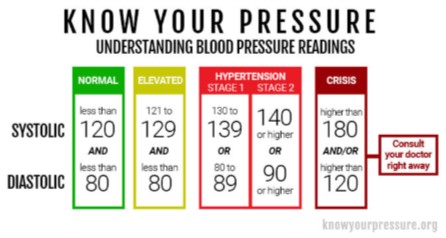
Normal blood pressure: systolic pressure of less than 120 and a diastolic pressure of less than 80
Elevated blood pressure: systolic pressure between 120 and 129 with a diastolic pressure of less than 80
Hypertension stage 1: systolic pressure between 130 and 139 with a diastolic pressure of 80 to 89
Hypertension stage 2: systolic pressure of 140 or higher with a diastolic pressure of 90 or higher
Crisis: systolic pressure higher than 180 and/or with a diastolic pressure higher than 120. If this is the case, it is recommended to consult your doctor immediately.
Lifestyle changes used to control hypertension:
- Eat healthy
- Limit consuming alcohol
- Lose weight
- Manage stress
- Monitor your blood pressure at home and have regular check ups with a doctor
- No smoking
- Reduce sodium in your diet
- Stay active
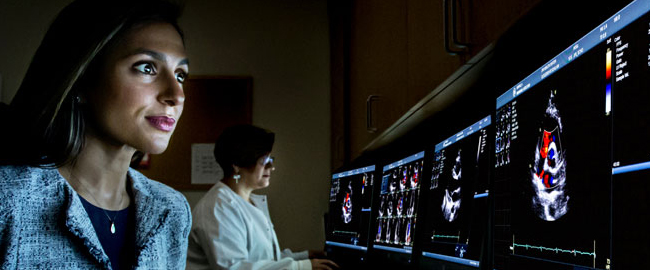
Heart Screenings, Prevention and Diagnostics
Heart screenings, prevention tools and diagnostic tests are all services offered by our cardiology specialists to help understand a patient’s heart condition or risk of heart disease, as well as what prevention or treatment options should be used.
Are You At Risk for Heart Disease?
Complete this simple 10-question quiz to determine if you're at risk for heart disease and get connected with a doctor to keep your heart health in check.
Convenient Access to Expert Heart Care
Hackensack Meridian Health offers patients access to innovative surgical procedures at these two major academic medical centers, as well as highly coordinated treatment and cardiac rehabilitation services through our integrated network of hospitals located close to home.
Frequently Asked Questions

Why Choose Us for Heart Care
Our heart experts perform New Jersey's most successful minimally invasive heart surgeries. Hackensack University Medical Center has earned the distinction of being among the top 10% in the nation for Cardiology, Heart & Vascular Surgery programs from U.S. News & World Report, 2026-2027.

Our Cardiology Specialists
The combination of expert surgeons, advanced technology and array of heart care services makes Hackensack Meridian Health a trusted choice for patients and families in New Jersey.