

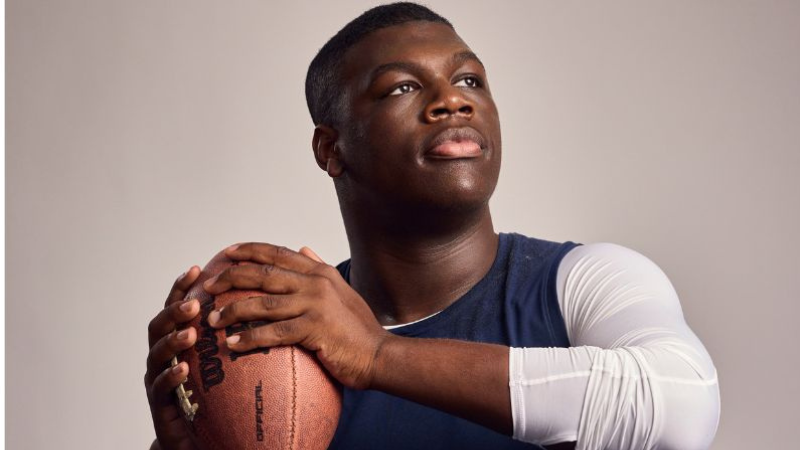
At 14 years old, Evan Theosomy is already a talented multi-sport athlete. The Red Bank Catholic freshman plays football and basketball and throws the discus during the track season. However, in November 2024, an injury threatened to sideline him for good.
“I was at a tryout for my travel basketball team, and when I came down from a rebound shot, I heard a pop in my heel and felt pain,” says Evan.
Evan’s father, Gabe, suspected that his son’s injury was more than just a twisted ankle. Fortunately, he knew exactly where to go. “My brother is an orthopedic surgeon with Hackensack Meridian Health, so I called him, and he took a look at him and told us that he probably had an Achilles tendon tear, but would need an MRI to be sure,” says Gabe.
A few days later, Evan saw Mitchell Stroh, M.D., an orthopedic surgeon with Hackensack Meridian Health, who said his MRI confirmed he had fully torn his Achilles tendon and would need surgery.
A New Approach to Repairing the Achilles Tendon
The Achilles tendon is a strong tendon that connects the heel to the calf. When torn, the injury can cause pain and trouble with walking. Achilles tendon tears are more common among athletes who start running and then abruptly stop, as well as those who frequently pivot and jump.
Given Evan’s interest in continuing competitive sports such as basketball and football, Dr. Stroh discussed surgical options designed to support the tendon repair and provide additional reinforcement during healing. As part of this discussion, he recommended an approach that includes the use of a synthetic graft as an adjunct to the repair.
“During the procedure, I may use a synthetic material to reinforce the tendon repair,” says Dr. Stroh. “The goal is to provide additional structural support while the body’s own healing process takes place. In select cases, this can allow us to progress rehabilitation in a controlled and thoughtful manner.”
Benefits of Synthetic Graft
During Evan’s Achilles tendon repair, Dr. Stroh reattached the tendon to the heel using Evan’s own tissue, with the addition of a synthetic graft for reinforcement. The graft is composed of mesh-like fibers designed to act as a scaffold, supporting the repair during early healing.
“The synthetic graft is intended to reinforce the repair and support tissue integration over time,” explains Dr. Stroh. “It does not replace the tendon, but rather works alongside the patient’s own tissue. In some cases, it can reduce the need to harvest tissue from another part of the body and may help us initiate rehabilitation when appropriate.”
Evan’s surgery was performed through a small incision as an outpatient procedure. His father recalls being surprised by how smoothly the day went.
“We were out of the surgery center within an hour or two after the procedure,” he says. “It was a very positive experience.”
Phased Recovery
Dr. Stroh describes Evan’s recovery as a phased progression. After surgery, he was placed in a boot and was non-weight bearing for four weeks. Heel wedges were placed in the boot to keep Evan’s foot pointed down. This kept his Achilles tendon from stretching and promoted healing.
After the first four weeks, Dr. Stroh and his team began reducing the heel wedges in Evan’s boot, allowing his foot to return to its normal position. He also began a structured physical therapy plan to increase his range of motion and regain mobility gradually. Dr. Stroh says he worked closely with the physical therapy team to ensure Evan had a smooth recovery.
For nearly six months, Evan went to physical therapy three times a week. He admits his recovery was, at times, difficult.
“The physical therapy could be a lot, but I knew that if I wanted to get better, I needed to do it and give it my all,” he says.
Ready for High School Sports
By August 2025, Evan was ready for high school football. Gabe says that his son benefited from Dr. Stoh’s sports medicine expertise.
“Dr. Stroh has worked with professional football teams, and he knew that Evan wanted to get back to football, so we were always able to ask him what to focus on. It was nice to know that he had that experience,” says Gabe.
Evan says his recovery took a lot of hard work, but it was worth the effort. He has had no issues returning to football and says he’s in better shape than before his injury. He encourages other student-athletes who suffer injuries not to give up.
“Just keep your head up and follow your doctor’s and physical therapist's orders. That’s my biggest advice,” he says.
Next Steps & Resources
- Meet our expert: Mitchell Stroh, M.D.
- Make an appointment online with Dr. Stroh, or call 800-822-8905.
- Find an orthopedic surgeon near you.
- Learn more about our sports medicine services.
Find a doctor near me
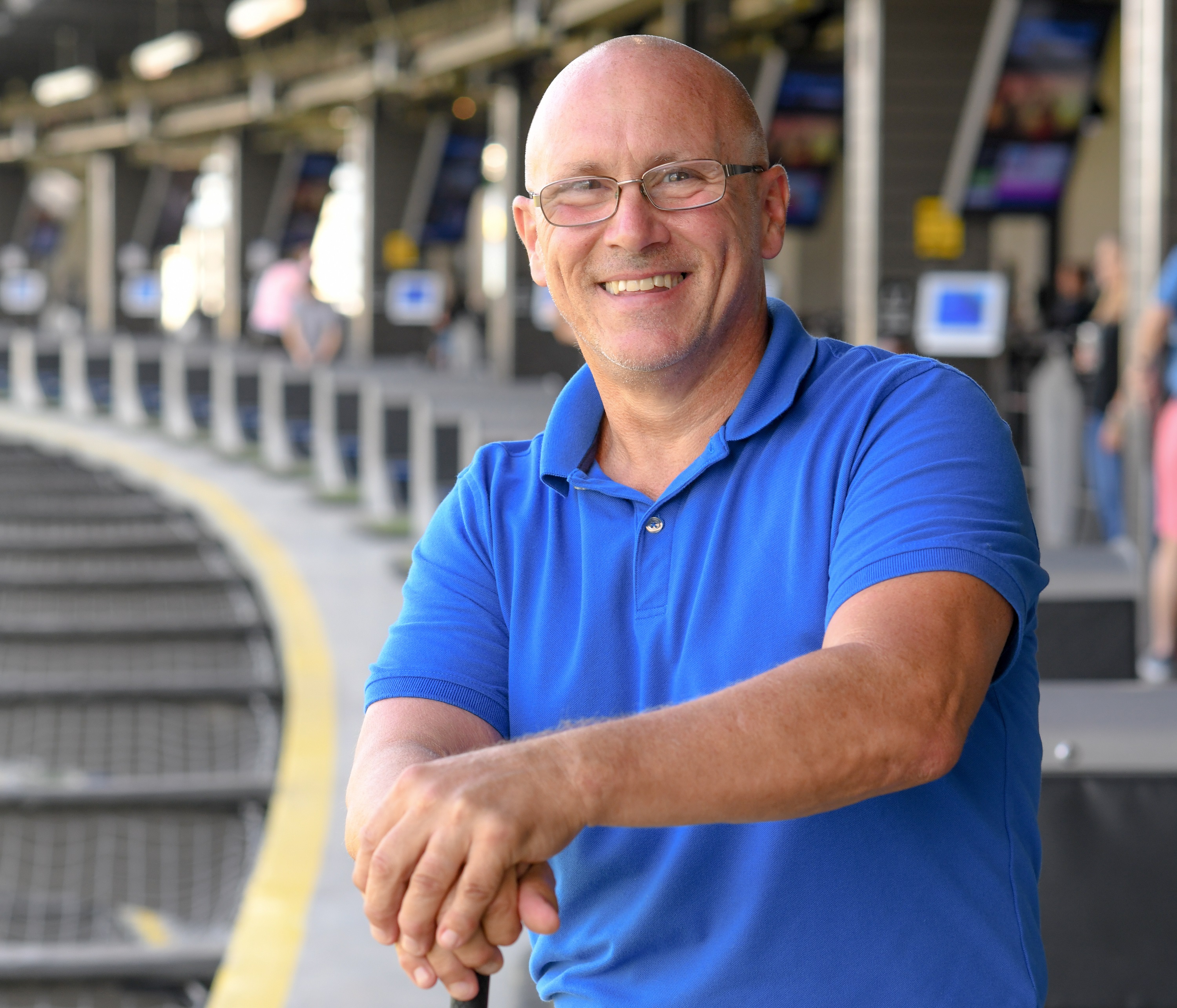
Colonia Teacher Is Back in the Classroom Pain Free With New Shoulder Surgery
Colonia teacher's shoulder pain relief. Dr. Lu's surgery helped restore active life. Learn about orthopedic care and schedule an appointment today.
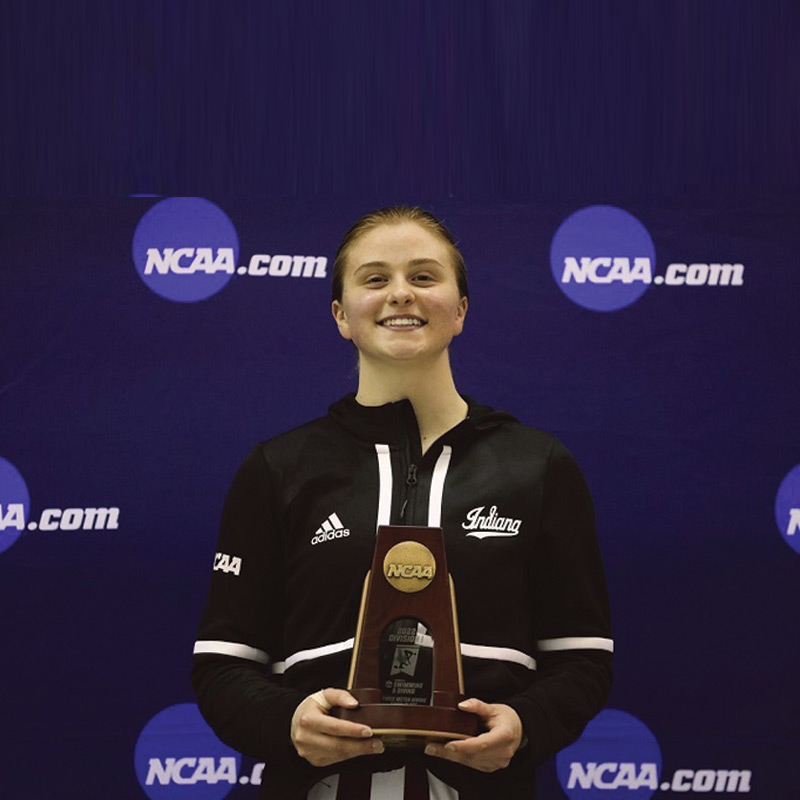
Minimally Invasive Procedure Saves Diver’s Spine
Minimally invasive spine procedure helps Olympic diver Tarrin Gilliland. Learn more about JFK University Medical Center's spine care.
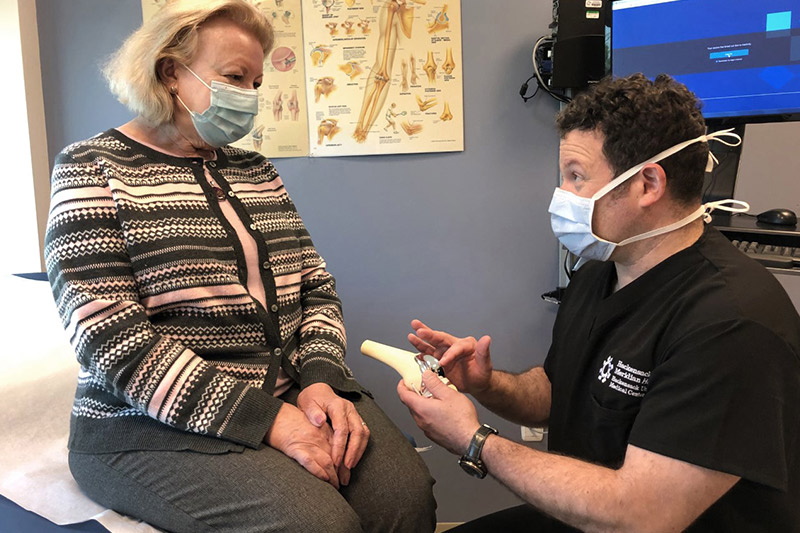
New Jersey Woman Becomes First Successful Patient of Knee Replacement Using New Technology
Eugenia Dziopa has always been an avid walker, enjoying daily strolls around her neighborhood in northern New Jersey. [No text in field]
Avenel Resident Ready to Dance After Knee Replacement Surgery
Back-to-back total knee replacement surgeries eliminated the debilitating pain that made moving around hard for Fosteen Brathwaite.