


Fibroids can cause debilitating symptoms like heavy, painful periods, pelvic pressure and frequent urination. They can also cause infertility.
When it comes to fibroid treatment, options range from medication, like hormonal birth control, to surgery.
Hackensack Meridian Health now offers a new, nonsurgical fibroid treatment option called Sonata®.
Learn how Sonata works, including how it eases painful fibroid symptoms and can help you feel better.
How Are Fibroids Treated With Sonata?
The medical term for the procedure is transcervical radiofrequency ablation, which means the fibroids are treated with energy for several seconds or minutes. This causes the fibroid to shrink over the course of a few months.
It’s an outpatient procedure done in the hospital under anesthesia. You can return home the same day.
“You’re completely asleep, and everything is done vaginally, so there are no incisions,” says Susan Pacana, M.D., an OB-GYN and gynecologic surgeon who performs minimally invasive procedures at Hackensack Meridian Medical Group in Jackson.
Here’s how it works: First, your doctor uses a tool that looks like a little telescope, called a hysteroscope, to look inside your uterus. Then, the Sonata device, which resembles a wand, is inserted into your uterus. The instrument helps your doctor locate the fibroids, using an ultrasound image; then, they send radiofrequency pulses into each fibroid.
“Each fibroid is heated up to about 105 degrees Celsius to destroy it,” says Dr. Pacana.
Afterward, the fibroids shrink and symptoms are reduced, typically within three months of the procedure.
How Is Sonata Different From Acessa?
You may have heard of another procedure to treat fibroids called Acessa®. Like Sonata, Acessa uses radiofrequency energy to heat and destroy fibroid tissue. But these technologies reach the fibroids in different ways.
Sonata is a transcervical procedure, meaning your doctor accesses the fibroids through your vagina with no incisions. Acessa is a laparoscopic procedure, meaning a surgeon makes small incisions in your abdomen to reach the fibroids from outside your uterus.
The type and location of your fibroids help determine which approach is best, explainsJocelyn Carlo, M.D., an OB-GYN and gynecologic surgeon at Hackensack Meridian Medical Group who also is certified in minimally invasive techniques.
In some cases, both procedures can be performed at the same time to treat different types of fibroids.
Are There Any Side Effects of Sonata Fibroid Treatment?
After the procedure, you might feel some cramping, says Dr. Pacana. The discomfort is similar to period cramps.
“Then, in the days and weeks following, sometimes there is a little bit of pain or irregular bleeding, similar to a blood clot, while the fibroid is dying off,” she adds.
Most people can return to their normal activities the day after the procedure.
Sonata also involves very little blood loss, so blood transfusions typically aren’t needed, says Dr. Carlo. And because the procedure is less invasive than traditional surgery, you likely won’t need narcotic pain medications afterward, which helps you avoid side effects like constipation.
Who Is a Good Candidate for Sonata Fibroid Treatment?
Sonata is primarily used to treat fibroid symptoms like pain and heavy bleeding. It is not used to treat infertility. That said, some women have conceived and had successful pregnancies and deliveries after the procedure, but the data is limited, notes Dr. Pacana.
Acessa has been available longer than Sonata, so there’s more pregnancy data for it, but outcomes after both procedures appear favorable based on the evidence available so far, says Dr. Carlo. If you’re thinking about trying to get pregnant, be sure to discuss your options thoroughly with your OB-GYN.
To determine which procedure is right for you, your doctor will do an ultrasound and possibly an MRI to find out where your fibroids are located.
“People who have fibroids that are either in the [uterine] cavity or mostly in the lining of the uterus are generally good candidates for Sonata,” says Dr. Pacana. If the fibroids are located too close to your bladder and bowel, Sonata isn’t a good choice, as it could damage those organs.
Fibroids located outside the uterus may respond better to Acessa or robotic myomectomy, notes Dr. Carlo.
A common misconception is that patients with many fibroids aren’t candidates for Sonata, adds Dr. Carlo. But the number of fibroids isn’t typically the deciding factor — what matters more is the location, size and type of each fibroid. If you have multiple fibroids, the procedure can sometimes be done in stages or combined with other approaches.
Although Sonata was originally approved by the Food and Drug Administration for treating fibroids, recent studies suggest it may also help with adenomyosis, a related uterine condition. Off-label use for focal adenomyosis is especially promising, says Dr. Carlo.
The Bottom Line
Fibroids can cause symptoms that are challenging to live with. Dr. Pacana hopes that new treatments like Sonata will make women more likely to treat them early.
“It’s a good idea to treat fibroids when they’re on the smaller side, as opposed to waiting and watching them,” she says. “When fibroids are only 2 centimeters, they’re pretty easily removed; when they get bigger, a hysterectomy or other invasive treatment might be necessary.”
Next Steps & Resources:
- Meet our sources: Susan Pacana, M.D.; Jocelyn Carlo, M.D.
- Make an appointment online with an OB-GYN near you, or call 800-822-8905.
- Search our list of providers who use Sonata.
- Learn more about our gynecology services.
- Sonata technology is available at Jersey Shore University Medical Center, Ocean Medical Center and Riverview Medical Center.
The material provided through Healthier You is intended to be used as general information only and should not replace the advice of your physician. Always consult your physician for individual care.
Find a doctor near me
Minimally Invasive Fibroid Treatment Helps Busy Mom
After a leading-edge fibroid procedure, Jennifer Biedinger is free of burdensome bleeding.
My Period Is Super Heavy: What's Going On?
If your period is so heavy it's affecting your life, that’s not normal. An OB-GYN shares what can cause heavy periods and when to seek help
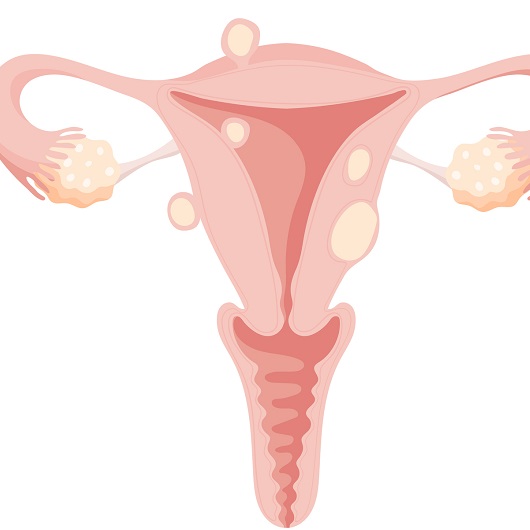
Can You Shrink Fibroids Naturally?
Shrink fibroids naturally? Learn about effective fibroid treatments from Dr. Asulin at Pascack Valley Medical Center. Explore nonsurgical & surgical options.

Fibroids After Menopause: What to Do When Symptoms Won’t Let Up
Declining estrogen levels typically shrink uterine fibroids. But our expert explains why those approaching menopause may be hit with new symptoms.