

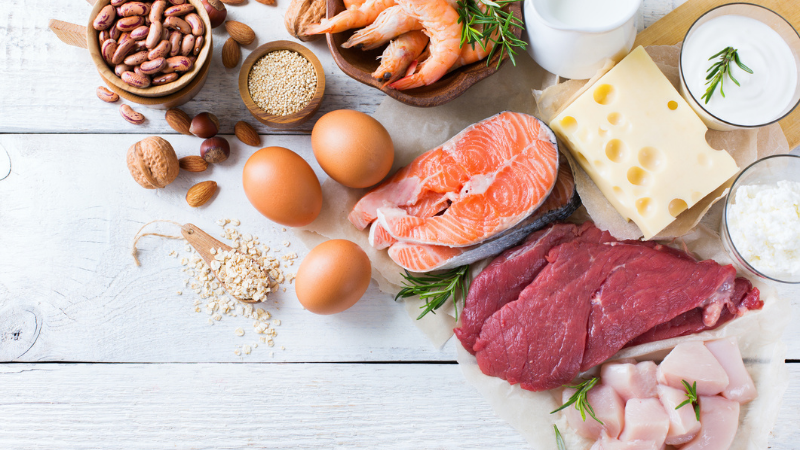
If you’ve been to a grocery store lately, you’ve probably noticed that just about everything comes in a high-protein version now — from protein coffee to protein popcorn.
On top of that, social media influencers tout “protein-maxxing,” which means squeezing as much protein as possible into every meal and snack. Even new federal dietary guidelines are promoting the importance of protein, raising the daily protein target by 50 to 100 percent.
All this noise might have you wondering: How much protein do I really need? Jennifer Glavasich, M.S., R.D., clinical nutrition manager at Raritan Bay Medical Center, explains.
How Much Protein Do I Need Each Day?
“It’s always important that you have protein in all your meals and snacks,” says Glavasich. “We usually recommend three small meals per day and two to three snacks, spread out, so your metabolism is constantly working, and your blood sugar is less likely to spike.”
The Recommended Dietary Allowance (RDA) for adults is 0.36 grams of protein per pound of body weight per day. So, if you weigh 150 pounds, that's about 54 grams of protein per day.
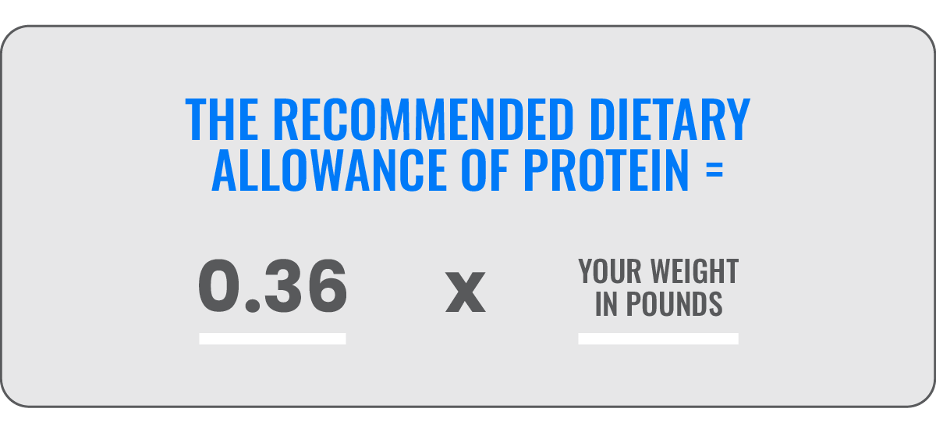
The Recommended Dietary Allowance of Protein = 0.36 x your weight in pounds
It’s worth noting that your RDA is the amount required to meet your basic nutritional needs, meaning the amount you need to avoid getting sick. You likely need more depending on your health and activity level, says Glavasich. For example, adults who exercise frequently might need more, but people with impaired kidney function might need less.
New federal dietary guidelines now recommend a higher target of 1.2 to 1.6 grams per kilogram of body weight per day (or about 0.54 to 0.73 grams per pound). For that same 150-pound person, that's roughly 81 to 109 grams per day.
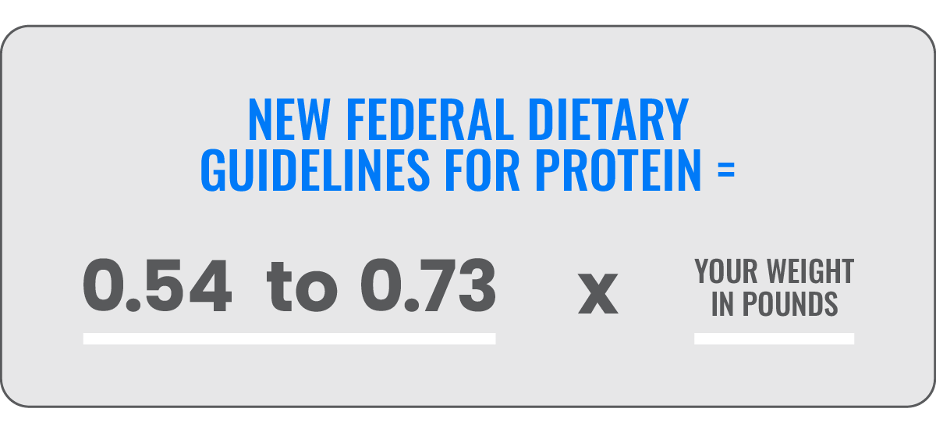
New Federal Dietary Guidelines for Protein = 0.54 to 0.73 x your weight in pounds
However, the Academy of Nutrition and Dietetics hasn’t adopted that number. Its general recommendation, which Glavasich agrees with, is 46 grams per day for women and 56 grams per day for men, with the caveat that needs vary. For example, people over age 65 often need more protein to counteract age-related muscle loss.
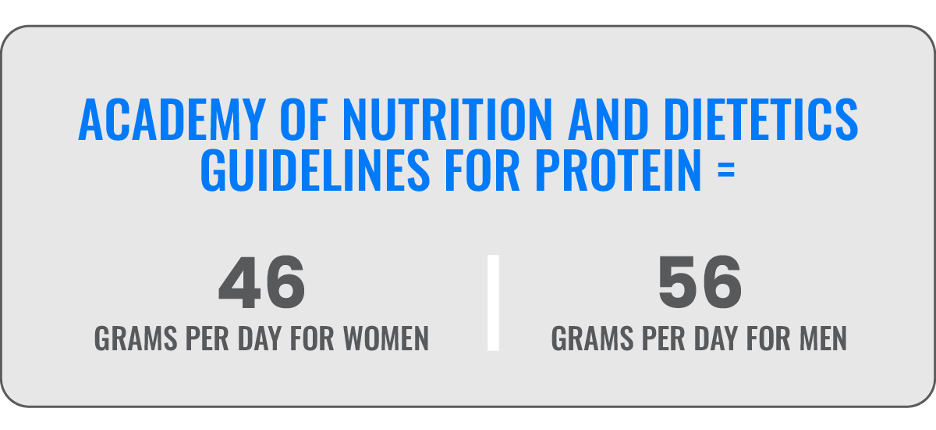
Academy of Nutrition and Dietetics Guidelines for Protein = 46 grams per day for women and 56 grams per day for men
“What you need is based on your daily exercise and your lifestyle,” says Glavasich. For people with existing kidney problems, consuming too much protein can put additional strain on the kidneys. She recommends consulting with a dietitian if you have any specific health or fitness needs.
Why the Best High-Protein Foods Are Whole Foods
While protein snacks and drinks are convenient, they shouldn’t be your main sources of the macronutrient.
“We always want people to go for whole food sources before anything else,” says Glavasich.
That’s because foods like beans, lentils and nuts don't just deliver protein — they also come with fiber, healthy fats and other benefits that processed products often strip out.
Some of the best high-protein foods include:
- 1 ounce cooked meat, poultry or fish (about 7 grams)
- ½ cup cooked beans or lentils (about 8 to 9 grams)
- 1 egg (about 6 grams)
- 2 tablespoons peanut or almond butter (about 7 grams)
- 1 ounce nuts or seeds (about 4 to 6 grams)
- ¼ cup or 2 ounces tofu (about 6 grams)
- 2 ounces cooked tempeh (about 11 grams)
When you’re busy or on the go and can’t prioritize a full meal, Glavasich recommends reaching for a protein bar or shake that contains at least 10 to 15 grams of protein but less than 8 grams of sugar.
“It’s not necessarily bad if you have to use supplements like these every once in a while, rather than skip a meal entirely,” she says. “As long as you get any type of lean protein in your diet instead of just carbs or saturated fats, it’s optimal.”
Next Steps & Resources:
- Meet our source: Jennifer Glavasich, M.S., R.D.
- Make an appointment online with a dietician near you, or call 800-822-8905.
- Learn more about our primary care services.
Find a doctor near me
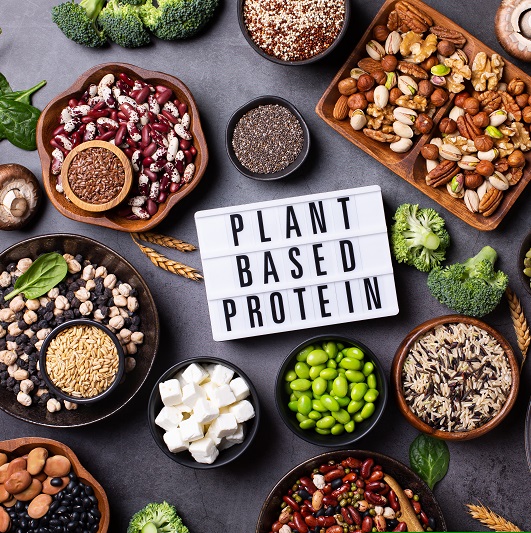
Is Plant Protein Better Than Meat?
Learn about plant vs. animal protein. Dr. Fertig explains the health benefits and risks of plant-based protein. Get expert advice and schedule an appointment today.
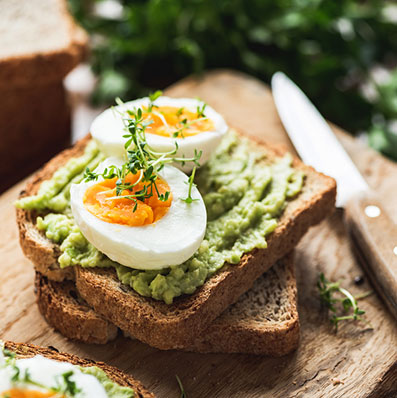
What Do Doctors Eat for Breakfast?
Doctors share their healthy breakfast ideas. Learn what Drs. Patel, Tsai, Pagano, and DeNunzio eat to boost energy. Find healthy eating tips and nutritional counseling.
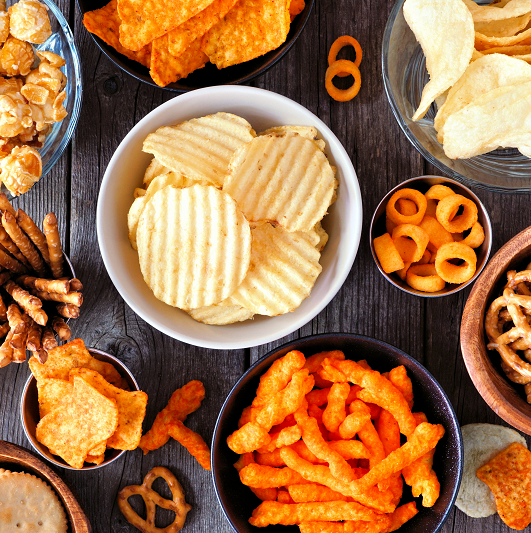
Am I Addicted to Processed Food?
Conquer processed food cravings. Registered Dietitian Tara Piantadosi explains how ultra-processed foods impact your health. Learn tips & find support. Call 800-822-8905.
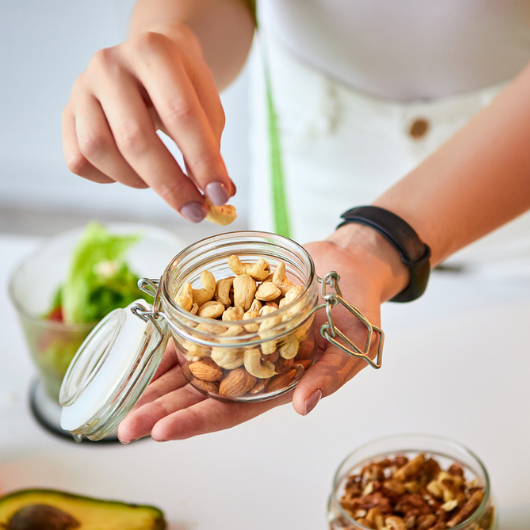
Don’t Go Hungry Again: Healthy Foods to Help You Feel Full
You don’t need to eat processed foods to satisfy a craving to feel full. Our expert offers healthy food choices to satisfy your hunger.